Iran Ceasefire Faces Immediate Strain as UAE Accusations and Israel’s Lebanon Strikes Test Fragile Truce
By: Javid Amin | 08 April 2026
A Ceasefire Begins Under Fire
Barely hours after a U.S.-brokered ceasefire between Iran and the United States came into effect, the agreement is already under severe strain.
An attack on a key refinery on Lavan Island—reported in Iranian media as also linked to Siri Island—has triggered accusations against the United Arab Emirates, even as Israel intensifies military operations in Lebanon.
Together, these developments have created a volatile mix of mistrust, disputed attribution, and multi-front escalation, raising the possibility that the two-week truce may unravel within days.
Refinery Attack — A Flashpoint in the Gulf
Location and Incident
The strike targeted a refinery facility on:
- Lavan Island
- Referred to by some Iranian outlets as linked to Siri Island
Iran’s Oil Ministry described the incident as an “enemy attack”, confirming that:
- A fire broke out at the facility
- Emergency teams contained the blaze
- No casualties were reported
Disputed Attribution
Iranian state media quickly accused the UAE of involvement. However:
- The UAE denied any role
- Officials stated their air defenses were simultaneously intercepting Iranian missiles
Strategic Interpretation
This incident illustrates a critical pattern in modern conflict:
- Ambiguous attacks with unclear attribution
- Rapid escalation through media narratives
- Increased risk of retaliatory miscalculation
In conflict analysis, such ambiguity is often more dangerous than confirmed attacks, as it compresses decision-making timelines.
Israel–Lebanon Escalation — The Ceasefire Loophole
Continued Israeli Strikes
Despite backing the U.S.–Iran ceasefire, Israel has intensified strikes inside Lebanon.
Policy Position
Benjamin Netanyahu has reportedly maintained that:
- The ceasefire applies to Iran, not Lebanon
- Operations against Hezbollah will continue
Why This Matters
This creates a structural loophole:
- Israel maintains pressure on Iran’s regional network
- Iran perceives continued aggression
- The ceasefire’s credibility erodes
Hezbollah Factor
Hezbollah’s response will be decisive:
- Retaliation could open a new front
- Restraint could preserve the fragile truce
Ceasefire Fragility — From Day One
The ceasefire, announced by Donald Trump, was already described by U.S. officials as “fragile.”
Structural Weaknesses
- No unified interpretation among parties
- Absence of direct U.S.–Iran diplomatic engagement
- Ongoing parallel conflicts (Lebanon, militias)
Iran’s Posture
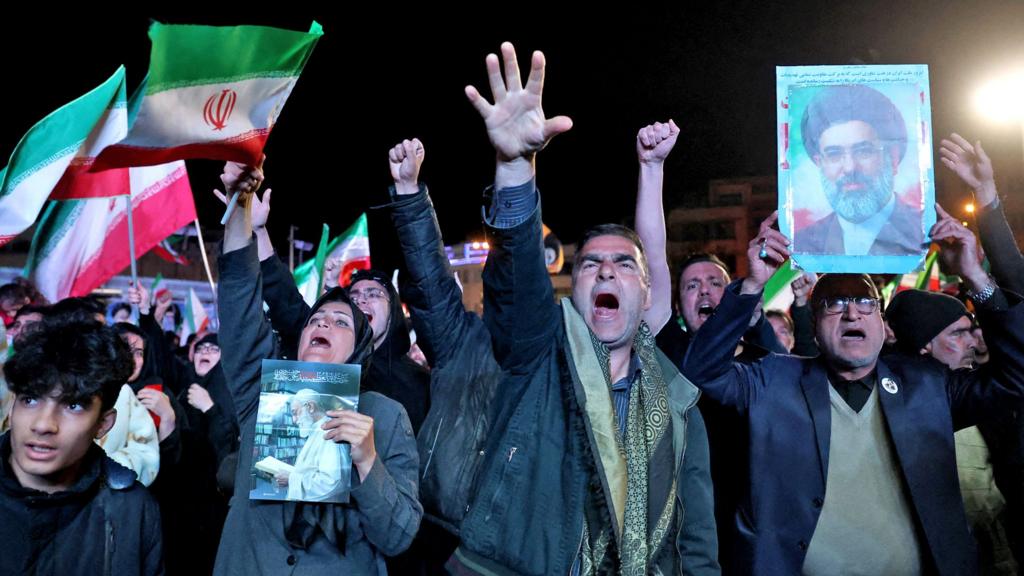
The Islamic Revolutionary Guard Corps has emphasized readiness:
- “Finger on the trigger” stance
- Conditional compliance with ceasefire
- Preparedness for rapid escalation
Regional Spillover — Gulf States on Edge
Strategic Exposure
The refinery attack highlights the vulnerability of Gulf energy infrastructure.
Key concerns include:
- Oil production disruptions
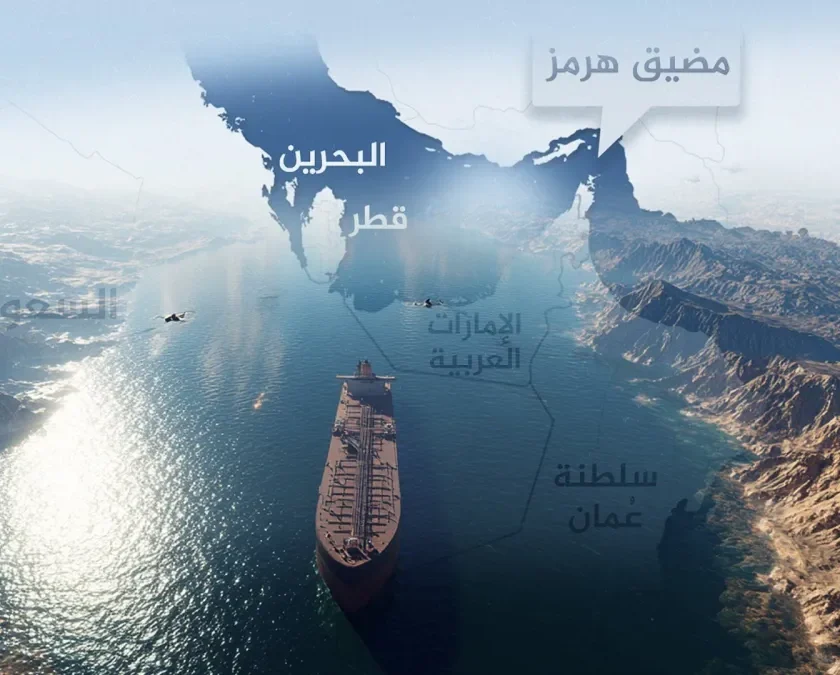
- Shipping risks near the Strait of Hormuz
- Insurance and freight cost spikes
UAE’s Position
The UAE now faces:
- Accusations from Iran
- Risk of retaliatory targeting
- Pressure to maintain defensive posture
Wider Regional Risk
Countries like:
- Saudi Arabia
- Bahrain
- Kuwait
remain on alert amid fears of escalation.
Energy Security — A Renewed Shock Risk
Market Sensitivity
Although oil prices briefly eased after the ceasefire:
- Refinery attacks reintroduce supply risk
- Market volatility remains elevated
Critical Risk Points
- Disruption of Gulf production
- Tanker vulnerability in Hormuz
- Strategic reserve drawdowns
Economic Chain Reaction
Energy shocks could trigger:
- Inflation spikes
- Trade disruptions
- Currency instability in import-dependent economies like India
Risk–Impact Matrix — Ceasefire Under Pressure
| Actor | Trigger Event | Immediate Impact | Longer-Term Risk |
|---|---|---|---|
| Iran | Refinery attack | Accuses UAE; signals breach | Retaliation, militia escalation |
| United States | Ceasefire broker | Temporary stability | Credibility risk |
| Israel | Lebanon strikes | Undermines truce | Regional expansion |
| UAE | Accused involvement | Defensive posture | Target of retaliation |
| Lebanon | Strike zone | Civilian impact | Political destabilization |
Scenario Mapping — April 8–22 Window
Best Case
- Israel reduces Lebanon strikes
- Iran avoids retaliation
- Gulf states remain defensive
Outcome: Ceasefire holds, talks extend
Worst Case
- Israel intensifies operations
- Iran retaliates against Gulf assets
- Hezbollah escalates
Outcome: Ceasefire collapses → multi-front war
Most Likely Scenario
- Israel continues limited strikes
- Iran maintains restraint but mobilizes
- UAE denies involvement, remains cautious
Outcome: Ceasefire weakens but survives temporarily
Key Variables to Watch
1. Israel’s Lebanon Strategy
Will operations expand or scale back?
2. Iran’s Retaliation Threshold
Will refinery accusations trigger action?
3. U.S. Diplomatic Leverage
Can Washington enforce compliance?
4. Hezbollah’s Response
Potential tipping point for escalation
Conclusion: A Truce on the Brink
The April 8 ceasefire is being tested in real time.
- A refinery attack with disputed attribution
- Continued Israeli military activity in Lebanon
- Rising mistrust among regional actors
Together, these factors are pushing the agreement toward a critical breaking point.
Final Takeaway
This is not a stable ceasefire—it is a volatile pause under pressure.
Unless:
- Israel restrains operations in Lebanon
- Iran avoids retaliatory escalation
- Gulf states remain outside direct conflict
the truce could unravel within days, triggering:
- Regional war expansion
- Energy supply disruption
- Global economic shock
The next 48–72 hours remain decisive.