Iran–Israel Conflict 2026: Real Escalation, Regional Fallout & Global Risk Analysis
By: Javid Amin | 04 March 2026
Executive Summary
The Iran–Israel confrontation has entered its most volatile phase in decades. While not officially declared as a full conventional war, the conflict now includes:
-
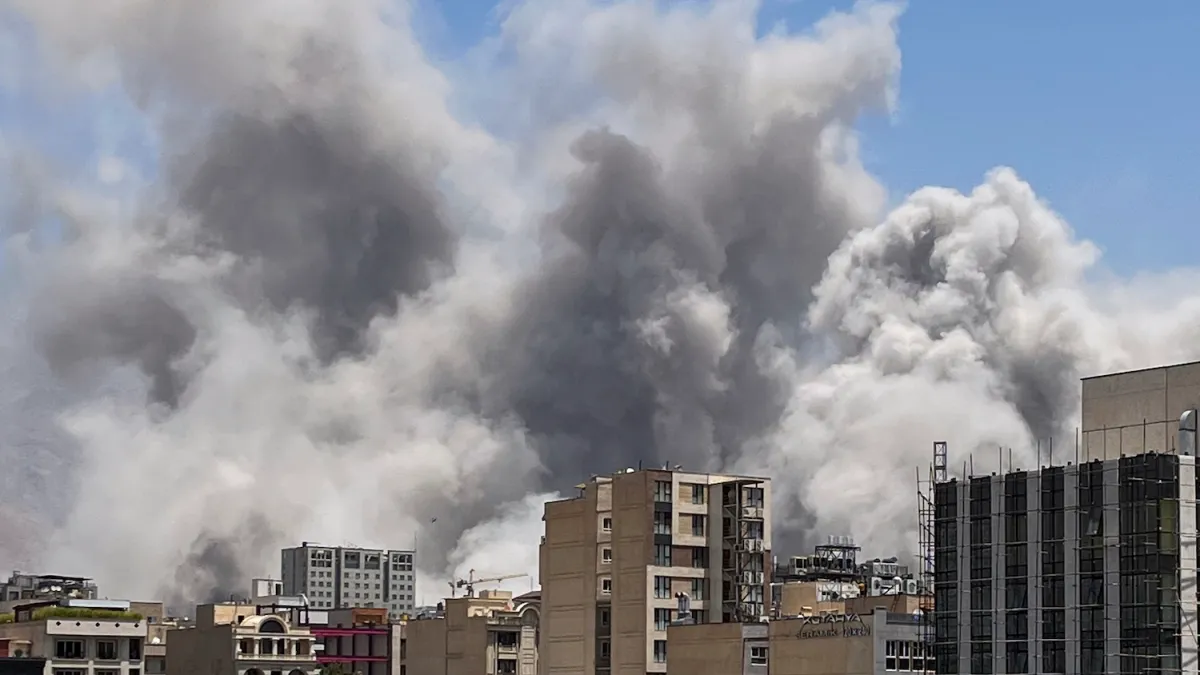
Direct Israeli strikes on Iranian-linked targets
-
Iranian missile and drone retaliation
-
Escalation along the Lebanon front involving Hezbollah
-
U.S. military positioning across the Gulf
-
Diplomatic paralysis at the United Nations
The crisis reflects a shift from shadow warfare to open, multi-front confrontation. Civilian risk has increased significantly, particularly in southern Lebanon and parts of Israel’s north. The risk of Gulf spillover remains elevated but not inevitable.
This is not yet a total regional war. But it is closer to one than at any point since 2006.
What Triggered the Escalation?
Tensions between Iran and Israel have simmered for decades, rooted in:
-
Iran’s support for Hezbollah and Palestinian armed factions
-
Israel’s long-standing campaign to prevent Iranian military entrenchment in Syria
-
Israeli opposition to Iran’s nuclear program
-
Cycles of covert sabotage, cyber operations, and targeted killings
The current escalation follows a pattern of direct strike–retaliation cycles that began intensifying after 2023, when Iran demonstrated its capacity for long-range drone and missile barrages.
Unlike past shadow exchanges, recent confrontations have been overt, public, and strategic rather than deniable.
The Military Balance: Capabilities & Constraints
Israel’s Position
Under Prime Minister Benjamin Netanyahu, Israel maintains a doctrine of preemptive defense. Core elements include:
-
Long-range airstrike capability
-
Multi-layered missile defense (Iron Dome, David’s Sling, Arrow systems)
-
Advanced intelligence penetration of Iranian networks
-
Close strategic coordination with the United States
Israel’s strategic objective remains consistent: prevent Iran from acquiring nuclear weapons capability and degrade its regional missile network.
However, Israel faces two structural constraints:
-
Missile saturation risk if Hezbollah fully commits
-
Economic fatigue from prolonged multi-front mobilization
Iran’s Position
Iran’s strategic doctrine emphasizes:
-
Missile deterrence
-
Proxy warfare
-
Strategic depth through Lebanon, Syria, and Iraq
Tehran’s strength lies in:
-
Large ballistic and cruise missile inventory
-
Drone warfare capability
-
Network of non-state armed allies
Its weakness lies in:
-
Limited air defense against sustained Israeli strikes
-
Economic vulnerability under sanctions
-
Infrastructure fragility
Iran does not need battlefield victory. It needs survivability and deterrence credibility.
The Lebanon Front: The Hezbollah Variable
The involvement of Hezbollah remains the most dangerous expansion point.
Hezbollah possesses:
-
Over 100,000 rockets and missiles (varied range and precision)
-
Battle-hardened fighters from Syria
-
Deep entrenchment in southern Lebanon
If Hezbollah shifts from calibrated rocket fire to precision infrastructure strikes, Israel would likely respond with:
-
Deep strikes into Beirut’s southern suburbs
-
Potential limited ground incursions
This could mirror or exceed the destruction seen during the 2006 Lebanon War.
Lebanon’s civilian infrastructure cannot absorb a prolonged conflict.
The Gulf & Strait of Hormuz Risk
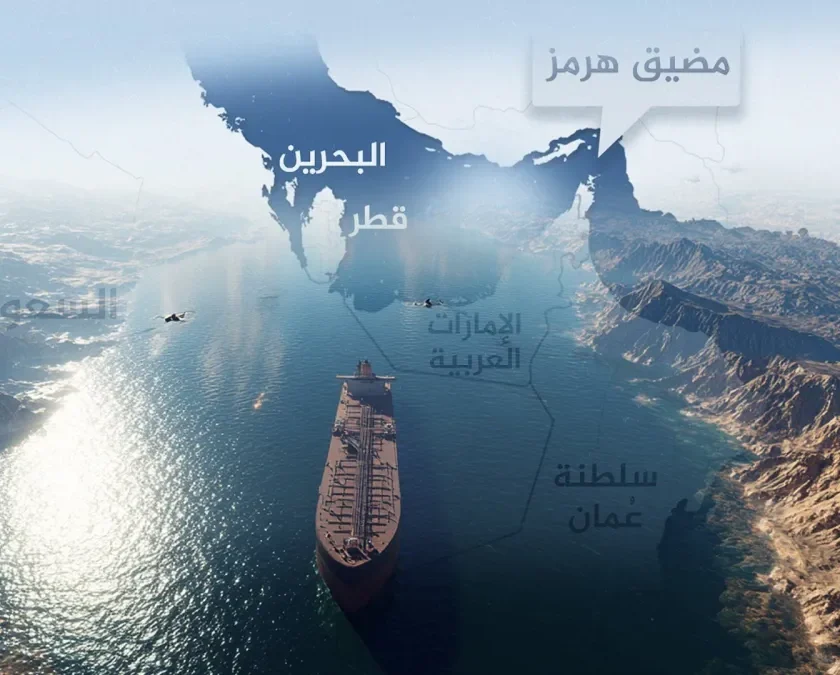
The most economically dangerous escalation would involve the Strait of Hormuz.
Roughly 20% of global oil trade passes through this chokepoint.
If Iran were to:
-
Harass commercial shipping
-
Deploy naval mines
-
Strike Gulf oil facilities
The global oil market would react immediately.
Energy-importing countries such as India, Japan, and much of Europe would face inflation shock.
So far, Gulf states are maintaining caution, balancing:
-
Security ties with Washington
-
Desire to avoid Iranian retaliation
The United States: Strategic Backing Without Full Entry
The United States continues to provide:
-
Intelligence support
-
Air defense assistance
-
Naval presence in the Gulf
However, Washington appears intent on avoiding:
-
Large-scale ground deployment
-
Direct regime-change war
Domestic political calculations and broader global commitments constrain escalation appetite.
Why the UN Appears Paralyzed
The United Nations Security Council remains structurally constrained.
Any binding resolution requires consensus among:
-
U.S.
-
U.K.
-
France
-
Russia
-
China
Veto politics mean enforcement action is unlikely.
The Secretary-General can issue warnings, but enforcement mechanisms are absent without Security Council alignment.
This is not indifference — it is institutional design.
Organization of Islamic Cooperation: Political but Not Military
The Organization of Islamic Cooperation represents 57 member states.
However:
-
It lacks military command authority
-
Its resolutions are non-binding
-
Member states are divided
Saudi Arabia, UAE, Qatar, Turkey, and Iran have divergent interests.
This fragmentation limits unified action.
Economic Shock Modeling
Contained Scenario
-
Oil rises moderately
-
Markets volatile but stable
-
Defense stocks and gold benefit
Escalated Scenario
-
Oil spikes sharply
-
Shipping insurance costs surge
-
Inflation pressures return globally
The pivot variable remains Hormuz.
Humanitarian Outlook
Civilian risk is rising in:
-
Southern Lebanon
-
Northern Israel
-
Iranian border regions near strike sites
Hospitals in conflict zones face strain.
Refugee flows could increase toward:
-
Syria
-
Jordan
International humanitarian agencies remain underfunded.
30-Day Forecast
Most likely trajectory:
-
Sustained air and missile exchanges
-
Hezbollah calibrated involvement
-
No immediate regime collapse
-
No full Gulf closure
However, risk thresholds include:
-
A high-casualty mass event
-
Direct hit on Gulf oil infrastructure
-
Leadership assassination
Any of these would significantly escalate the conflict.
Strategic Conclusion
The Iran–Israel confrontation in 2026 reflects:
-
Deterrence contest
-
Regional power balancing
-
Proxy war transformation into open exchange
It is not yet an uncontrollable regional war.
But escalation control is fragile.
The next decisive variable will not be rhetoric.
It will be military miscalculation.