PDP Leader Says Restrictions on Political Activity Contradict Official Claims of Peace and Democratic Normalcy
By: News Desk 12 July 2026
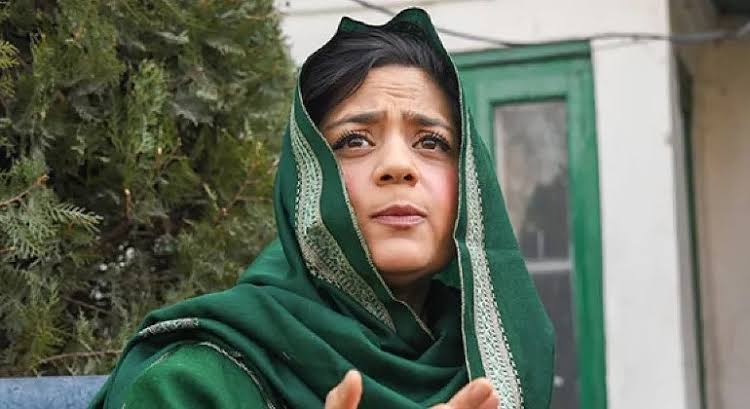
Political tensions have resurfaced in Jammu and Kashmir ahead of July 13 Martyrs’ Day, with People’s Democratic Party (PDP) leader Ilthija Mufti alleging that she was placed under house arrest in Srinagar as security measures were intensified before the annual commemoration.
Ilthija Mufti, daughter of former Jammu and Kashmir Chief Minister Mehbooba Mufti, criticized the move, arguing that restrictions on mainstream political leaders during a day of historical significance expose what she described as a contradiction between the government’s claims of “normalcy” and the realities experienced on the ground.
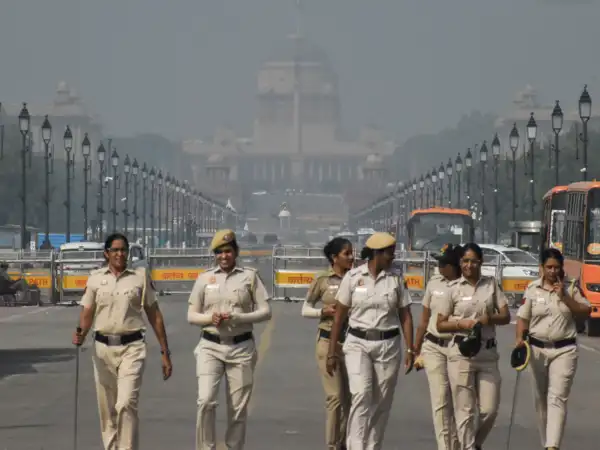
The development comes amid heightened security arrangements across parts of Srinagar ahead of July 13, a date that continues to evoke strong political and historical emotions in Kashmir.
What Happened?
According to Ilthija Mufti, security personnel prevented her from leaving her residence in Srinagar ahead of the July 13 observance. She described the restrictions as another example of political curbs imposed on opposition leaders during important dates in Kashmir’s political calendar.
Her remarks quickly drew attention on social media and among opposition parties, with the PDP portraying the action as a restriction on democratic political activity.
As of publication, authorities had not issued a detailed public statement explaining the specific reasons for the reported restrictions. Security measures around July 13 have, however, been implemented in previous years citing law and order considerations.
What Is July 13 Martyrs’ Day?
A Defining Chapter in Kashmir’s Political History
July 13 marks the anniversary of the 1931 killings, when 22 protesters lost their lives outside Srinagar Central Jail during demonstrations against the autocratic rule of the Dogra monarchy.
The incident is widely regarded by many Kashmir-based political parties as a landmark moment in the region’s political awakening and struggle for representative governance.
For decades, July 13 was officially observed as Martyrs’ Day in the erstwhile State of Jammu and Kashmir, with state leaders paying floral tributes at the Martyrs’ Graveyard in Srinagar.
However, following the reorganization of Jammu and Kashmir in August 2019, the day was removed from the list of official public holidays, and government-organized commemorations were discontinued.
Despite that change, several regional political parties, including the PDP and the National Conference, continue to describe the date as an important part of Kashmir’s political and historical memory.
Ilthija Mufti’s Criticism of the ‘Normalcy’ Narrative
Ilthija Mufti argued that restricting political leaders from participating in symbolic events undermines official claims that normal democratic life has returned to Jammu and Kashmir.
According to her, genuine normalcy should include:
- Freedom of political movement.
- Peaceful commemoration of historical events.
- Equal political space for opposition parties.
- Respect for democratic rights and civil liberties.
She suggested that restrictions imposed ahead of politically significant anniversaries raise questions about the extent to which democratic activities can be freely conducted in the Union Territory.
Government’s Position
While no detailed official explanation had been issued regarding Ilthija Mufti’s reported house arrest, security restrictions around sensitive anniversaries have often been justified by the administration as precautionary measures aimed at maintaining public order.
Authorities have consistently maintained that enhanced security deployments before politically sensitive dates are intended to prevent any law and order disturbances and ensure public safety.
The administration has also repeatedly highlighted improvements in security, tourism, infrastructure and investment as indicators of increasing normalcy in Jammu and Kashmir.
Political Significance of the Restrictions
Shrinking Political Space?
Opposition parties argue that repeated restrictions on political leaders during significant anniversaries reduce the space available for peaceful political expression.
The PDP has frequently accused the administration of limiting democratic engagement, particularly around symbolic events connected with Kashmir’s political history.
Supporters of the government’s approach, however, argue that preventive security measures are necessary to avoid any disruption or security-related incidents.
A Battle Over Public Narratives
The latest controversy reflects a broader contest over competing narratives in Jammu and Kashmir.
For the government, normalcy is often measured through indicators such as:
- Record tourist arrivals.
- Infrastructure development.
- Reduced levels of militant violence.
- Improved economic activity.
- Successful conduct of elections and public events.
For opposition parties like the PDP, normalcy also requires unrestricted political activity, freedom of expression and the ability to publicly observe historically significant occasions without administrative restrictions.
This difference continues to shape political discourse in the Union Territory.
Why July 13 Remains Politically Sensitive
More than nine decades after the events of 1931, July 13 continues to carry different meanings for different political constituencies.
For many regional political parties, the day symbolizes the beginning of Kashmir’s democratic struggle against autocratic governance.
Others interpret the historical legacy differently, reflecting the diversity of political opinion within Jammu and Kashmir and across India.
Because of these differing interpretations, the anniversary frequently becomes a focal point for political debate, administrative security measures and competing historical narratives.
Political Analysis: Symbolism Beyond the Restrictions
The reported house arrest of Ilthija Mufti is likely to reinforce the PDP’s long-standing argument that democratic freedoms remain constrained in post-2019 Jammu and Kashmir.
At the same time, the administration is expected to maintain that security-related decisions are based on precautionary assessments rather than political considerations.
The episode illustrates how symbolic dates continue to carry significant political weight in Kashmir, where historical memory, governance and public order often intersect.
Regardless of the competing narratives, the controversy has once again placed national attention on the broader debate surrounding political freedoms, security measures and democratic participation in the Union Territory.
What Happens Next?
Several developments will be closely watched:
- Whether authorities issue a formal explanation regarding the reported restrictions.
- Reactions from other regional political parties, including the National Conference.
- Any statements from the Ministry of Home Affairs or the Jammu and Kashmir administration.
- Public observance of July 13 across the Valley.
- Whether the issue sparks renewed political debate over democratic rights and civil liberties.
Conclusion
The reported house arrest of PDP leader Ilthija Mufti ahead of July 13 Martyrs’ Day has added fresh political significance to an already sensitive anniversary in Jammu and Kashmir. While the PDP argues that the restrictions contradict official claims of democratic normalcy, the administration has historically defended heightened security measures around such occasions as necessary to maintain law and order.
The differing interpretations of both the restrictions and the historical legacy of July 13 underscore the continuing complexity of Kashmir’s political landscape. As events unfold, the focus is likely to remain on how the balance between security, democratic participation and historical remembrance is managed in the Union Territory.