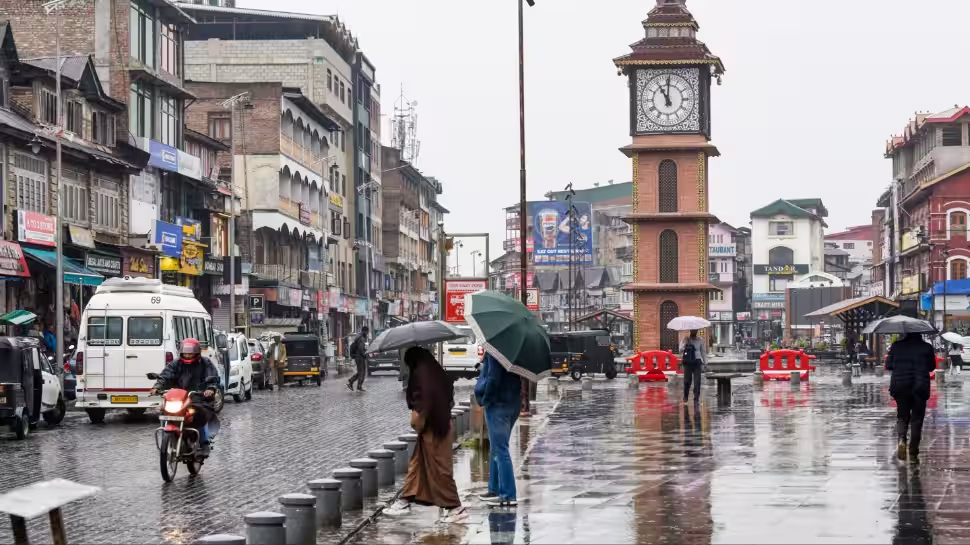
Jammu & Kashmir Weather Update: IMD Predicts Cooler, Rain-Heavy May 2026 with Unusual Climate Shift
By: Javid Amin | 03 May 2026
In a notable shift from the region’s typical early summer weather, the India Meteorological Department (IMD) has forecast above-normal rainfall and below-normal temperatures across Jammu & Kashmir throughout May 2026.
Instead of the usual transition into warmer and drier conditions, the Union Territory is expected to experience prolonged spring-like weather, driven by a series of active western disturbances.
This evolving weather pattern is not just a short-term anomaly—it reflects broader atmospheric dynamics that could also influence the upcoming monsoon season across India.
A Rain-Soaked May: What the Forecast Indicates
According to IMD projections and recent meteorological trends, frequent rainfall spells are likely to dominate the month, accompanied by persistent cloud cover.
Unlike isolated showers typical of spring, rainfall this May is expected to be widespread and recurring, reducing sunshine hours and maintaining cooler surface conditions.
Meteorologists attribute this pattern to successive feeble to moderate western disturbances, which are forecast to track across North India at regular intervals. These systems are known to bring:
- Light to moderate rainfall
- Occasional hailstorms
- Thunderstorms with gusty winds
Such consistent activity throughout May is relatively uncommon and signals a departure from climatological norms.
Temperatures to Stay Below Normal Across the Region
One of the most noticeable impacts will be on temperature. IMD estimates suggest that:
- Daytime temperatures will remain 2°C to 5°C below normal
- Heat build-up will be significantly suppressed
- Nights may feel cooler than usual for May
For residents, this means relief from early summer heat, particularly in areas that typically begin experiencing warmer conditions by mid-May.
However, experts caution that prolonged cloud cover and moisture can create secondary challenges, especially for agriculture and infrastructure.
Regional Breakdown: How Different Areas Will Be Affected
Kashmir Valley: Cool Days, Agricultural Concerns
The Kashmir Valley is expected to see:
- Frequent rainfall and overcast skies
- Sustained cool daytime temperatures
- Increased humidity levels
While the weather will feel pleasant, orchard owners may face risks from hailstorms, particularly affecting apple blossoms and early fruit development stages.
Jammu Division: Temporary Relief from Heat
In the Jammu Division:
- Intermittent showers will break rising heat trends
- Temperatures will stay below seasonal averages
- Short dry intervals may still occur between rain spells
This will bring temporary relief from pre-summer heatwaves, although humidity levels may rise.
Higher Reaches: Snowfall and Travel Risks
In mountainous areas such as Gulmarg, Sonamarg, and other higher elevations, strong western disturbances may trigger:
- Fresh snowfall episodes
- Slippery roads and reduced visibility
- Landslides and avalanches in vulnerable zones
Travel disruptions, particularly along key routes like the Srinagar–Leh highway, remain a possibility during intense weather events.
Agriculture Impact: A Mixed Blessing for Farmers
For the region’s agrarian economy, the forecast presents both benefits and risks.
Positive Effects
- Improved soil moisture levels
- Reduced irrigation needs
- Support for certain crops during early growth stages
Potential Risks
- Hail damage to orchards (especially apples and cherries)
- Increased risk of fungal infections due to prolonged moisture
- Delays in spraying and pruning schedules
Agricultural experts advise farmers to:
- Avoid pesticide spraying during wet spells
- Clear hail deposits quickly to protect crops
- Monitor orchards closely for disease outbreaks
Public Advisory: Staying Prepared in Unsettled Weather
For Residents
- Keep rain gear handy at all times
- Avoid standing near weak structures or trees during storms
- Stay updated with local weather alerts
For Travelers
- Expect delays due to landslides and slippery roads
- Plan buffer time for highway journeys
- Check conditions before traveling to higher altitudes
What’s Driving This Weather Shift? Understanding the Climate Signals
The unusual May pattern is part of a broader climate context influenced by global atmospheric systems:
El Niño Development
Forecast models suggest El Niño conditions may develop by mid-2026, which historically:
- Weakens the Indian monsoon
- Alters rainfall distribution
- Can lead to extreme weather variability
Indian Ocean Dipole (IOD) Trends
The IOD is expected to turn positive later in the season, which can:
- Enhance rainfall in some parts of India
- Offset or complicate El Niño impacts
- Create uneven regional precipitation patterns
Together, these global drivers are shaping unpredictable seasonal transitions, making localized forecasts like this one increasingly important.
Key Takeaway: Extended Spring Brings Relief—But Not Without Risks
May 2026 in Jammu & Kashmir is shaping up to be cooler, wetter, and more unpredictable than usual.
While residents will welcome relief from rising temperatures, farmers, travelers, and authorities must remain cautious due to risks like hail damage, landslides, and disrupted routines.
This shift is more than a temporary anomaly—it reflects larger climate variability trends that could define the coming monsoon season.