Taxes vs Infrastructure in Kashmir: Why Citizens Feel Over-Penalized and Underserved
By: Javid Amin | 23 April 2026
The Everyday Friction: Paying More, Getting Less
Across India, a growing frustration is taking hold: citizens are paying more—through taxes, tolls, and fines—but receiving inconsistent infrastructure and services in return.
From daily commuters navigating pothole-ridden roads to vehicle owners juggling compliance rules, the system often feels tilted. The core grievance is simple: if the financial burden is rising, why isn’t the quality of public infrastructure keeping pace?
A Day in the Life: Compliance as a Burden
Fines That Feel Disproportionate
Following the Motor Vehicles (Amendment) Act, 2019, penalties for violations increased sharply to improve road safety. On the ground, however:
- Minor documentation lapses can trigger heavy fines
- Small traffic violations escalate quickly
- Vehicle seizure and prolonged disputes add stress
For many, enforcement feels punitive rather than corrective.
Taxes at Every Step
A vehicle owner pays:
- Road tax
- GST on fuel
- Toll charges
- Registration and compliance fees
The cumulative effect creates a sense of constant financial pressure.
The Compliance Maze
Frequent paperwork, unclear rules, and inconsistent enforcement leave citizens feeling continuously troubled rather than supported.
Global Comparison: Why the UAE Example Resonates
The comparison with the United Arab Emirates is often raised—and not without reason.
In the UAE:
- Roads are well-engineered and consistently maintained
- Signage and lane discipline are clear
- Enforcement is largely technology-driven and predictable
- Emergency response systems are efficient
High fines exist—but they are part of a high-functioning ecosystem where citizens clearly see the return on compliance.
India’s Reality: High Penalties, Uneven Infrastructure
India has moved toward stricter, globally comparable penalties—but infrastructure has not uniformly caught up:
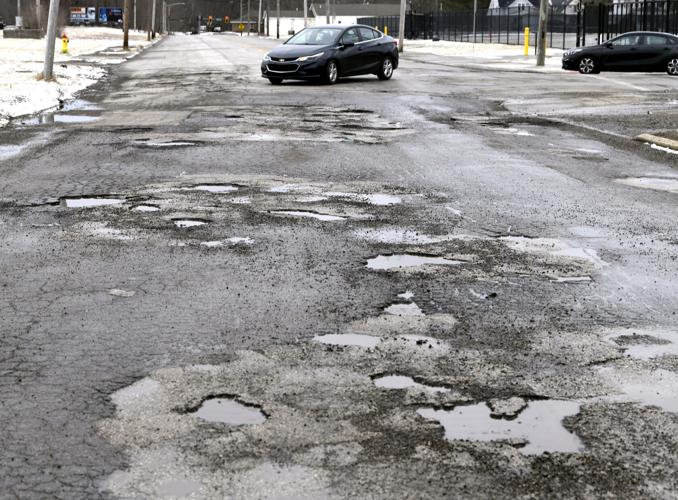
- Roads in many regions still face potholes and poor maintenance
- Traffic signals and junction designs are often outdated
- Signage and lane markings can be unclear or missing
- Enforcement varies widely, sometimes discretionary
This creates a structural imbalance:
the penalty system is modernizing faster than the infrastructure it depends on.
The Core Issue: Missing Reciprocity
The real frustration is not about paying—it is about what comes in return.
A fair system should ensure:
- Strict fines → Safe, well-maintained roads
- Mandatory compliance → Clear, predictable systems
- High taxation → Visible public improvements
When this balance breaks, enforcement begins to feel like extraction rather than governance.
Citizen’s Perspective: Trust in Decline
Across cities and towns, the sentiment is consistent:
- “We are fined heavily for small mistakes.”
- “We pay multiple taxes but see limited improvement.”
- “Rules are strict, but systems are weak.”
The result is a growing trust deficit—not against rules, but against their fairness and implementation.
A Citizen’s Manifesto: Rebalancing the System
1. Fairness in Enforcement
- Proportionate fines for minor violations
- Clear rules and signage to prevent unintentional errors
- Strong grievance redressal mechanisms
2. Accountability in Tax Usage
- Public “tax-to-service” reports
- Transparent tracking of infrastructure spending
- Measurable outcomes linked to collections
3. Infrastructure as a Right
- Roads maintained to enforceable standards
- Functional traffic systems before strict penalties
- Investment in pedestrian and public transport infrastructure
4. Transparency & Public Trust
- Open data on budgets and timelines
- Independent audits
- Citizen participation in planning
5. Dignity in Enforcement
- Officers acting as facilitators, not enforcers alone
- Reduced discretionary power through technology
- Systems designed to help compliance, not trap citizens
Why This Gap Matters
If this imbalance continues:
- Compliance will decline
- Public frustration will rise
- Economic productivity will suffer
- Trust in governance will weaken
This is not just an infrastructure issue—it is a governance credibility issue.
The Way Forward: Aligning Enforcement with Delivery
The solution is not to reduce fines or eliminate taxes. It is to align them with visible outcomes.
India does not need to choose between strict enforcement and good infrastructure—it needs both, simultaneously.
When citizens:
- Drive on smoother roads
- Experience reliable systems
- See transparent use of funds
…compliance becomes natural, not forced.
Conclusion: Restoring the Social Contract
The debate is no longer about whether fines are justified. It is about whether they are fair in context.
India is moving toward stricter enforcement—similar in scale to developed nations. But unless infrastructure, transparency, and service delivery rise at the same pace, the system will continue to feel unbalanced.
The principle is simple:
If citizens are expected to pay like developed systems, they must also receive comparable standards of infrastructure and governance.
Until then, the feeling of being overcharged and underserved will persist.