Kashmir Heatwave Sparks Demand to Extend Summer Vacation as Parents Raise Student Safety Concerns
By: News Desk | 17 July 2026
Schools Set to Reopen on July 20, but Rising Temperatures Fuel Fresh Demand for Holiday Extension
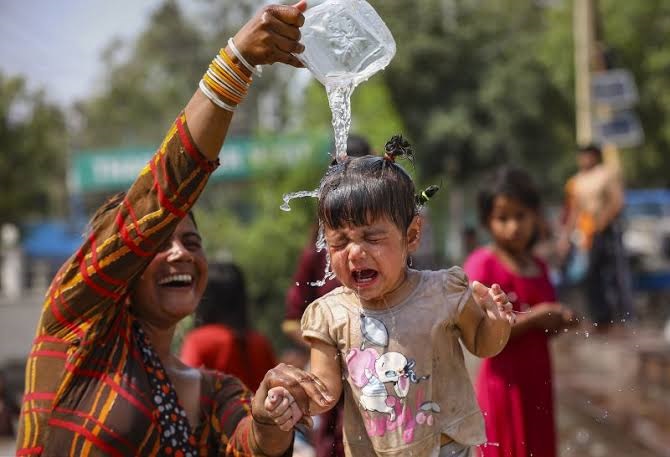
With Kashmir witnessing one of its hottest summers in recent memory, parents and students across the Valley are appealing to the Jammu and Kashmir administration to extend the ongoing summer vacation beyond July 19, citing concerns over children’s health and safety amid an intensifying heatwave.
Government and private schools are currently scheduled to reopen on July 20 after the summer break from July 6 to July 19. However, forecasts indicating temperatures between 34°C and 36°C in Srinagar and several adjoining districts have intensified public demands for a reconsideration of the reopening schedule.
The appeal comes as the Valley experiences prolonged periods of above-normal temperatures, increasing concerns over dehydration, heat-related illnesses, and the preparedness of school infrastructure to cope with extreme weather.
Heatwave Intensifies Across Kashmir
The latest weather forecasts indicate that much of Kashmir is likely to remain under the influence of a severe heatwave over the coming days.
Meteorologists expect maximum temperatures in parts of the Valley to remain significantly above the normal July average, with Srinagar and nearby districts likely to experience daytime temperatures reaching 34–36°C.
Such temperatures are unusual for Kashmir, where July normally remains comparatively mild. This summer, however, repeated heatwave spells have pushed temperatures well beyond seasonal norms, prompting health advisories and increasing pressure on essential services.
The anticipated heat coincides with the scheduled reopening of schools, making student welfare a key public concern.
Parents Voice Concerns Over Children’s Health
Parents argue that reopening schools during the peak of the heatwave could expose children to avoidable health risks, particularly those who travel long distances on foot or by public transport.
Many schools begin classes early in the morning, but students often return home during the hottest part of the day. Parents fear prolonged exposure to high temperatures, combined with crowded classrooms and inadequate cooling, may lead to health complications.
Among the primary concerns raised are:
- Dehydration due to prolonged exposure to heat.
- Heat exhaustion and heatstroke, especially among younger children.
- Fatigue and reduced concentration during classroom learning.
- Increased vulnerability for children with existing health conditions.
Parents have urged the authorities to prioritize student safety while taking a decision on reopening schools.
Schools Face Infrastructure Challenges
The debate over reopening has also highlighted infrastructure limitations in many educational institutions across Kashmir.
Several schools, particularly in rural and semi-urban areas, lack:
- Air-conditioned classrooms.
- Adequate ventilation systems.
- Reliable drinking water facilities.
- Backup power during electricity outages.
Frequent power cuts during periods of high electricity demand can make classrooms uncomfortable, particularly in buildings with limited airflow. Teachers and education experts note that such conditions may affect both student well-being and learning outcomes.
Some parents have also expressed concern about the availability of clean drinking water in schools during prolonged hot weather.
Water and Power Demand Add to Public Anxiety
The ongoing heatwave has increased demand for both electricity and water throughout the Valley.
Urban areas have witnessed higher electricity consumption due to increased use of fans and cooling appliances, while several localities have reported pressure on water supply systems.
In rural areas, where infrastructure may be less robust, families worry that children could face additional hardship if schools reopen before temperatures moderate.
The combination of extreme heat, intermittent power supply and water shortages has strengthened calls for extending the vacation until weather conditions improve.
Tourist Season Adds Pressure on Resources
The current heatwave coincides with Kashmir’s peak tourism season, when destinations such as Srinagar, Gulmarg and Pahalgam witness a sharp increase in visitor numbers.
The seasonal influx places additional demand on:
- Electricity networks.
- Drinking water supplies.
- Public transport.
- Healthcare services.
Although tourism remains a vital contributor to the region’s economy, residents in some areas say the increased pressure on civic resources has amplified the challenges posed by the unusually hot weather.
Previous Years Show Similar Demands
Calls for adjusting the academic calendar during extreme weather are not new in Kashmir.
| Year | Summer Vacation | Public Response |
|---|---|---|
| 2024 | July 8–18 | Parents demanded a five-day extension during an intense heat spell. |
| 2025 | July 5–15 | Authorities extended the vacation by three days following prolonged heat and water shortages. |
| 2026 | July 6–19 | Fresh appeals seek another extension as temperatures remain well above normal. |
While each year’s decision has depended on prevailing weather conditions and administrative assessment, the recurring requests reflect growing public concern over increasingly hot summers.
Education or Safety? Government Faces a Delicate Decision
Education officials must balance several competing priorities:
Maintaining the Academic Calendar
Any extension of the summer break could affect syllabus completion, examinations and the overall academic schedule.
Protecting Student Welfare
Authorities also have a responsibility to ensure that school environments remain safe and conducive to learning during extreme weather.
Administrative Preparedness
Officials may assess weather forecasts, school infrastructure, availability of drinking water and power supply before taking a final decision.
As of now, no official announcement has been made regarding any extension of the summer vacation. Parents and students are awaiting further communication from the School Education Department.
Climate Change Is Reshaping School Calendars
Environmental experts say the debate over school holidays reflects a larger challenge posed by climate change.
Kashmir has witnessed:
- More frequent heatwaves.
- Higher summer temperatures.
- Erratic rainfall.
- Cloudbursts and flash floods.
- Longer dry spells.
These changing weather patterns are prompting education systems worldwide to rethink traditional academic calendars and emergency response plans.
Experts suggest that future planning may include:
- Flexible academic schedules based on weather conditions.
- Earlier school timings during summer.
- Improved classroom ventilation and cooling.
- Heat action plans for educational institutions.
- Enhanced access to drinking water and medical support in schools.
Health Advisory for Students and Parents
Health professionals recommend the following precautions during the ongoing heatwave:
- Drink water regularly, even before feeling thirsty.
- Wear lightweight, light-coloured cotton clothing.
- Avoid prolonged exposure to direct sunlight between late morning and afternoon.
- Carry a reusable water bottle while travelling.
- Watch for symptoms such as dizziness, excessive fatigue, headache or nausea, and seek medical attention if needed.
- Follow weather updates and advisories issued by the authorities.
Looking Ahead
The demand to extend Kashmir’s summer vacation reflects growing public concern over the impact of extreme heat on children’s health and education. With forecasts pointing to continued high temperatures, many families are hoping for a decision that places student safety at the forefront.
Whether the government opts to extend the holidays or reopen schools as scheduled, the current debate highlights a broader reality: climate change is increasingly influencing decisions that were once guided solely by the academic calendar.
Editor’s Note: While parents and students have publicly appealed for an extension of the summer vacation, the Jammu and Kashmir administration has not yet announced any decision to extend the holidays. Any extension will depend on official orders and updated weather assessments.