Pantha Chowk Residents Protest Proposed Wine Shop in Srinagar, PDP Leader Zuhaib Yousf Mir Joins Demonstration
By: News Desk | 10 July 2026
Local Opposition Grows Over Proposed Alcohol Outlet
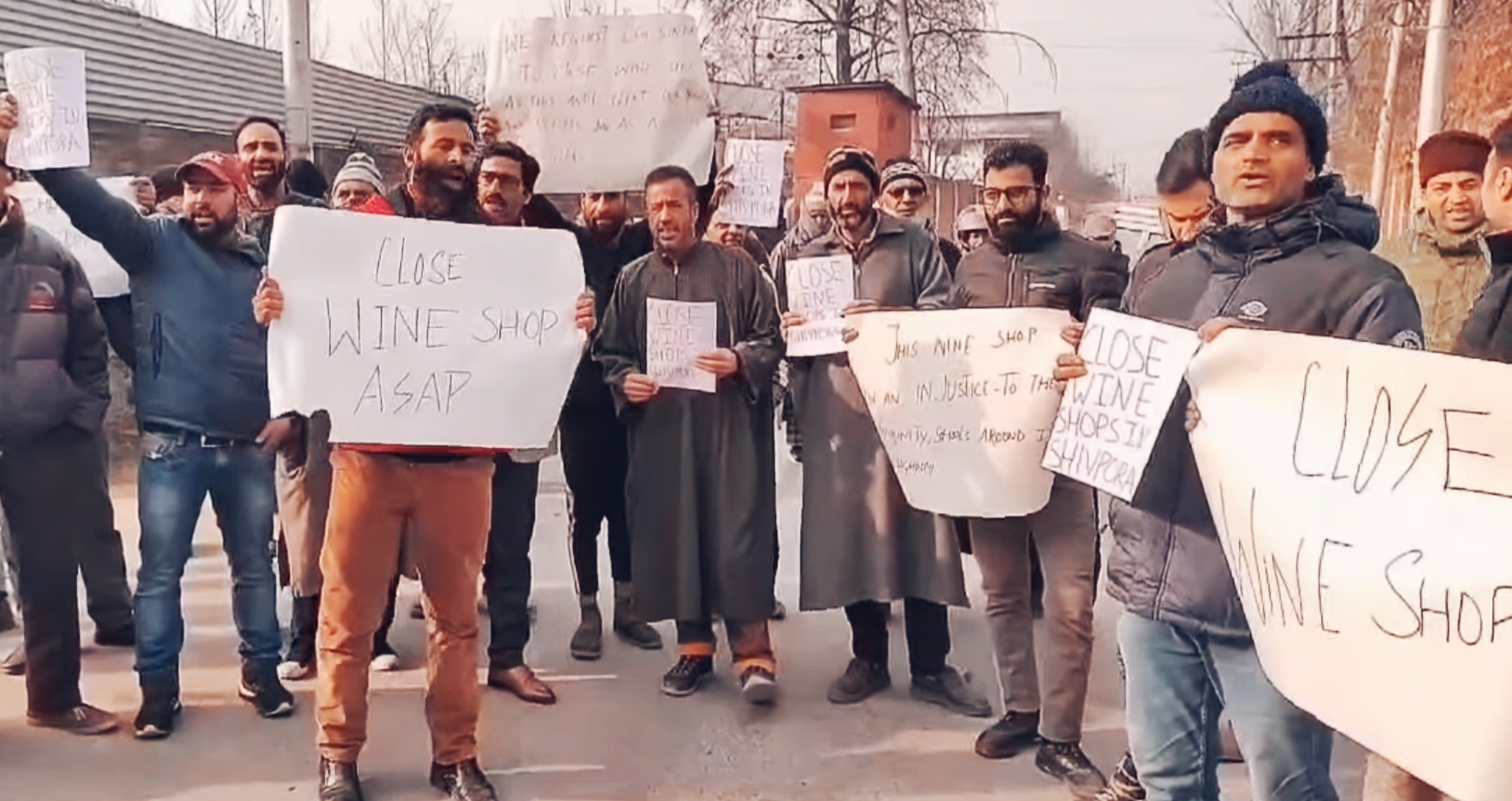
A group of residents in Pantha Chowk, on the outskirts of Srinagar, staged a protest against the proposed opening of a wine shop in their locality, expressing concerns over its location and its perceived impact on the community.
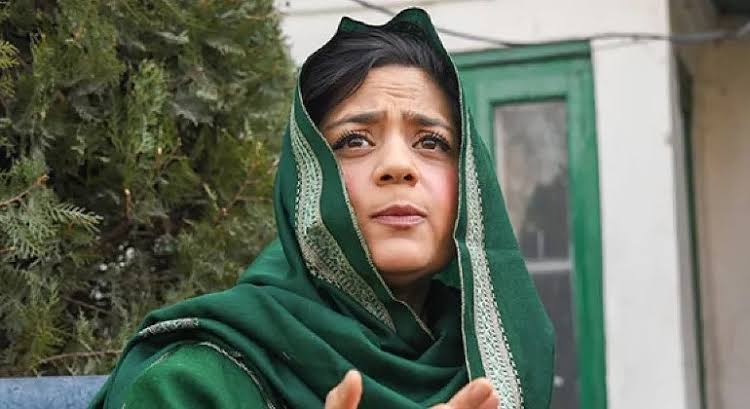
The demonstration was joined by People’s Democratic Party (PDP) leader Zuhaib Yousf Mir, who voiced support for the residents and urged the administration to reconsider the decision, arguing that public sentiment should be taken into account before licensing such establishments.
The protest has once again brought the issue of alcohol licensing in Jammu and Kashmir into the political spotlight, highlighting the tension between government policy and local social sensitivities.
Residents Voice Cultural and Social Concerns
Protesters said they were opposed to the proposed wine shop because they believe it is inconsistent with the social and cultural character of the area.
Among the concerns raised during the demonstration were:
- The location of the outlet near residential areas.
- The belief that alcohol outlets are incompatible with local cultural values.
- Concerns about the potential influence on younger people.
- A demand for greater public consultation before approving such licences.
Residents called on the administration to withdraw or relocate the proposed outlet, saying that development decisions should also reflect the views of the local community.
PDP Extends Political Support
Joining the protest, PDP leader Zuhaib Yousf Mir said the concerns expressed by residents deserved serious attention.
He argued that government decisions involving sensitive social issues should be taken after engaging with local communities and respecting public opinion.
The participation of a mainstream political leader elevated what began as a neighbourhood protest into a broader political issue, with opposition parties likely to continue questioning the administration over its approach to alcohol licensing.
A Debate Beyond One Locality
The Pantha Chowk protest is part of a wider debate that has periodically surfaced in Jammu and Kashmir over the regulation and licensing of liquor outlets.
Supporters of stricter regulation argue that Kashmir’s distinct cultural and religious traditions should be considered while determining the location of alcohol outlets.
On the other hand, the government maintains that liquor licences are issued under the provisions of the existing excise policy and applicable laws, with revenue generation and regulatory oversight forming part of the licensing framework.
The issue therefore extends beyond one locality and reflects a continuing discussion on balancing legal commerce with community expectations.
Why the Issue Is Politically Sensitive
Alcohol-related policies have historically generated strong public reactions in Kashmir.
Political parties often take positions based on public sentiment, particularly when issues intersect with cultural identity and local traditions.
The Pantha Chowk protest illustrates how administrative decisions on licensing can quickly become politically significant when they affect neighbourhoods where residents feel their concerns have not been adequately addressed.
Community Participation in Local Governance
The protest also highlights a broader demand for greater community involvement in decisions affecting residential areas.
Residents argued that projects with social implications should involve:
- Public consultation.
- Transparent decision-making.
- Consideration of local objections.
- Clear communication from authorities.
Urban planning experts often note that early engagement with communities can help reduce disputes and build public trust in administrative decisions.
Possible Administrative Responses
Authorities have several options available depending on the outcome of consultations and legal review, including:
- Reviewing objections submitted by residents.
- Assessing the suitability of the proposed location.
- Ensuring compliance with excise and municipal regulations.
- Holding discussions with community representatives before proceeding.
Any final decision will likely need to balance statutory licensing procedures with local concerns.
Political Implications
The protest has the potential to become a wider political issue.
For the opposition, it offers an opportunity to question the government’s handling of matters involving public sentiment.
For the administration, the challenge lies in demonstrating that licensing decisions are transparent, legally compliant and responsive to community concerns where appropriate.
How the issue is handled may influence future debates on similar proposals across the Valley.
Snapshot
| Aspect | Current Situation | Potential Impact |
|---|---|---|
| Community Sentiment | Residents have opposed the proposed wine shop | Continued local demonstrations if concerns remain unresolved |
| Political Dimension | PDP leader Zuhaib Yousf Mir joined the protest | Greater political attention on the issue |
| Policy Debate | Excise licensing versus community expectations | Renewed discussion on alcohol regulation in Kashmir |
| Social Concerns | Protesters cited cultural and neighbourhood considerations | Calls for broader public consultation on sensitive decisions |
The Bottom Line
The protest in Pantha Chowk underscores the delicate balance between government licensing policies and community expectations in Jammu and Kashmir. While the administration retains the authority to regulate and license commercial establishments under the law, residents are seeking greater consultation on decisions they believe have social and cultural implications.
With political leaders now lending support to the demonstrators, the issue is likely to evolve beyond a local dispute into a broader discussion on governance, public participation and the implementation of excise policy in the Kashmir Valley.