J&K Weather Update: Heatwave to End? MeT Predicts Heavy Rain Across Jammu & Kashmir From July 11
By: News Desk | 09 July 2026
Heatwave Grips Jammu & Kashmir as MeT Forecasts Heavy Rain From July 11
After days of unusually high temperatures across Jammu & Kashmir, residents may finally get relief as the Meteorological Department (MeT) has forecast widespread rainfall beginning July 11. While the expected showers are likely to lower temperatures significantly, weather officials have simultaneously warned of flash floods, landslides, mudslides and waterlogging, particularly in vulnerable mountainous regions.
The prolonged spell of hot weather has pushed daytime temperatures several degrees above the seasonal average, affecting daily life, tourism, agriculture and public health across both the Kashmir Valley and the Jammu region. The approaching rain is expected to restore more typical July weather conditions, although authorities are urging people not to lower their guard.
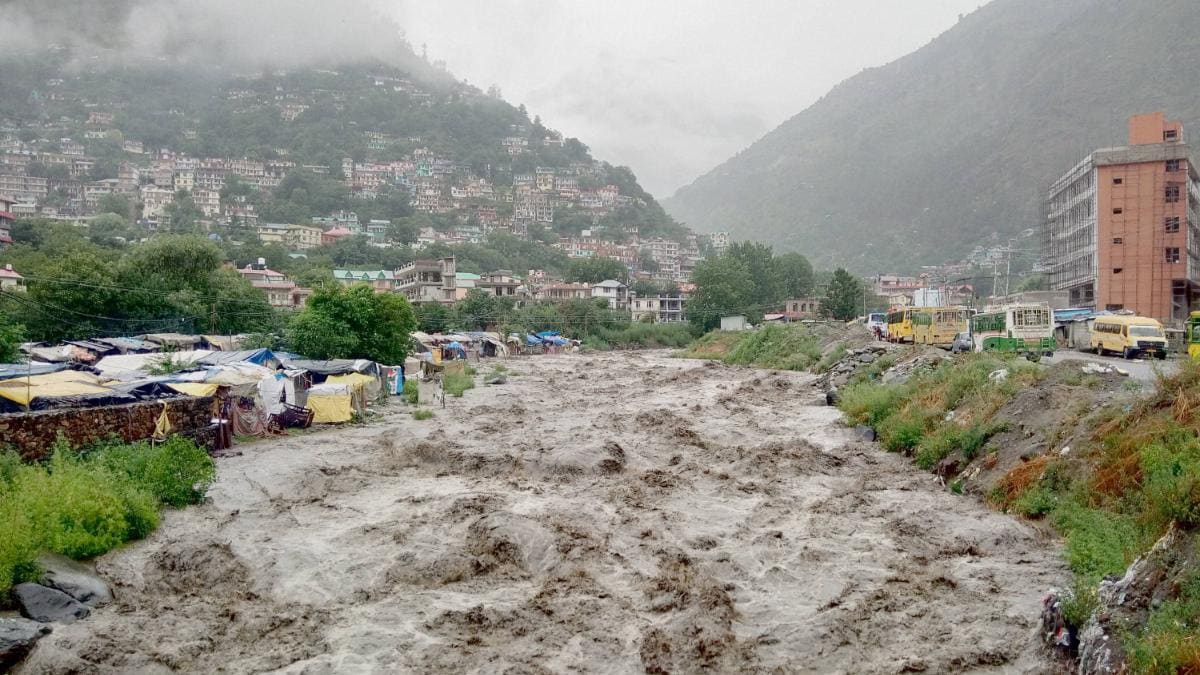
The latest MeT advisory indicates that rain and thunderstorms are expected at many places, with heavy rainfall at isolated locations on July 11–12, along with a risk of localized flooding and landslides in the Chenab Valley, Pir Panjal range and other vulnerable hilly areas.
Kashmir Valley Continues to Sizzle Under Persistent Heat
The Kashmir Valley has experienced one of its warmest spells of the season, with maximum temperatures in Srinagar hovering around 33–34°C, considerably above the normal average for early July.
Normally known for its pleasant summers, Kashmir has witnessed unusually warm afternoons over the past several days. The heat has affected school-going children, elderly residents, outdoor workers and tourists visiting the Valley’s popular destinations.
Even traditional cool-weather destinations such as Gulmarg and Pahalgam have recorded temperatures close to 28–29°C, making this one of the warmer periods of the summer season.
Weather experts attribute the unusual warmth to clear skies, prolonged sunshine and delayed widespread rainfall across the Union Territory.
Jammu Faces Scorching Conditions
The Jammu division continues to bear the brunt of the heatwave, with daytime temperatures touching 38–40°C in several districts.
High humidity has further increased discomfort, particularly during afternoon hours. The combination of intense sunshine and warm nights has led to increased electricity demand as households rely heavily on cooling appliances.
Health experts advise residents to remain hydrated, avoid prolonged exposure to direct sunlight between noon and late afternoon, and take precautions against heat-related illnesses.
Heavy Rain Expected to Bring Much-Needed Relief
According to the latest MeT forecast, a fresh spell of rain and thunderstorms is expected to intensify from July 11, with several areas likely to receive moderate to heavy rainfall.
Meteorologists expect the rainfall to lower daytime temperatures by approximately 4–6°C, bringing significant relief from the ongoing heatwave.
Besides cooling conditions, the rainfall will help replenish moisture in agricultural fields, improve water availability and reduce heat stress across the region.
However, officials caution that the transition from extreme heat to heavy rainfall can sometimes trigger localized weather hazards, especially in mountainous terrain.
Flash Floods and Landslides Remain a Major Concern
While rainfall is welcome, the weather department has warned that intense showers could create dangerous situations in several districts.
The biggest concerns include:
- Flash floods in seasonal streams and low-lying areas
- Landslides and mudslides in mountainous regions
- Shooting stones along vulnerable highways
- Waterlogging in urban centres
- Temporary road closures on hilly routes
The Chenab Valley, Pir Panjal region and other landslide-prone stretches remain particularly vulnerable during periods of heavy rainfall. Authorities have advised people to stay away from overflowing streams, nallahs and unstable hill slopes during intense rain.
Weather Snapshot (July 11–13 Forecast)
| Region | Current Temperature | Present Condition | Forecast |
|---|---|---|---|
| Srinagar | 33–34°C | Above-normal heat | Rain, thunderstorms, cooler weather |
| Jammu | 38–40°C | Intense heat | Rain with possibility of localized flooding |
| Gulmarg | 28–29°C | Warm | Rain and isolated landslide risk |
| Pahalgam | 28–29°C | Warm | Moderate rain and cooler temperatures |
Temperatures are indicative and may vary across localities.
Impact on Agriculture
The approaching rainfall could prove beneficial for farmers after several days of hot weather.
Apple Orchards
Apple growers may benefit from improved soil moisture, reducing irrigation requirements. However, prolonged heavy rain could increase humidity, creating conditions favourable for fungal diseases if orchard management is neglected.
Saffron Fields
Although the saffron-growing season is still some time away, rainfall can help restore moisture levels in Pampore’s saffron belt. Farmers are advised to adjust irrigation schedules to avoid unnecessary watering during the rainy spell.
Vegetable Cultivation
Vegetable growers should ensure proper drainage to prevent water stagnation, which can damage crops and affect yields.
Tourism May Face Temporary Disruptions
The forecast comes during the busy summer tourism season when thousands of visitors are exploring Kashmir’s valleys, lakes and trekking destinations.
Tourists planning:
- Trekking expeditions
- Mountain camping
- High-altitude sightseeing
- Adventure activities
should closely monitor official weather updates before travelling.
Heavy rainfall may temporarily affect movement along mountain roads, while visibility could also reduce significantly during intense showers.
Urban Areas Should Prepare for Waterlogging
Municipal authorities are expected to remain on alert as heavy rainfall could overwhelm drainage systems in several towns.
Low-lying areas of Srinagar, Jammu and other urban centres may experience temporary water accumulation, slowing traffic and disrupting daily activities.
Residents are advised to:
- Keep drains around homes clear.
- Avoid driving through waterlogged roads.
- Stay away from fast-flowing streams.
- Secure loose outdoor items before thunderstorms.
Climate Pattern Highlights Increasing Weather Extremes
The current weather pattern once again highlights the growing climate variability affecting Jammu & Kashmir.
In recent years, the region has witnessed more frequent swings between prolonged dry spells, intense heatwaves, cloudbursts and episodes of heavy rainfall. Such rapid shifts increase pressure on urban infrastructure, agriculture, transport networks and disaster management systems.
Environmental experts say strengthening early warning systems, protecting natural drainage channels, preventing encroachments on floodplains and promoting climate-resilient infrastructure will be essential to reducing future weather-related risks.
What Residents Should Do
- Stay hydrated until temperatures begin to decline.
- Follow official MeT weather bulletins regularly.
- Avoid unnecessary travel during heavy rainfall.
- Keep emergency supplies ready in landslide-prone areas.
- Farmers should plan irrigation according to rainfall forecasts.
- Tourists should check road and weather conditions before travelling to hill destinations.
Outlook
The coming days are expected to bring a significant change in Jammu & Kashmir’s weather. While the forecast rain offers welcome relief from the ongoing heatwave, it also carries the potential for localized flooding, landslides and travel disruptions.
For residents, farmers and tourists alike, the message is clear: enjoy the cooler weather, but remain alert and follow official advisories as the region transitions from scorching heat to active monsoon conditions.