Iran-US Peace Deal Signed, But Trump’s Bigger War Goals Remain Unfulfilled
By: Javid Amin | 17 June 2026
Historic Agreement Ends Hostilities, Opens New Chapter in US-Iran Relations
After more than three months of military confrontation that rattled global energy markets and pushed West Asia to the brink of a wider regional conflict, the United States and Iran have formally signed a peace agreement aimed at ending hostilities and reopening diplomatic channels.
The 14-point Memorandum of Understanding (MoU), signed by US President Donald Trump and Iranian representatives during the G7 Summit in France, marks a significant diplomatic breakthrough. It commits both sides to a 60-day negotiation process focused primarily on Iran’s nuclear programme and the future of its stockpile of enriched uranium.
While the agreement has been welcomed by many world leaders as a step toward stability, a closer examination reveals a striking reality: many of the ambitious objectives that Trump articulated before and during the conflict are absent from the final deal.
As a result, the agreement is increasingly being viewed not as a decisive strategic victory for Washington, but as a pragmatic compromise shaped by economic pressures, energy security concerns and geopolitical realities.
From Maximum Pressure to Negotiated Settlement
Trump’s Original Vision Was Far More Ambitious
When tensions escalated into direct military confrontation earlier this year, the Trump administration framed the campaign as a transformative effort designed to fundamentally alter Iran’s behaviour and regional influence.
Public statements from the White House repeatedly highlighted several broad objectives:
- Ending Iran’s nuclear ambitions permanently.
- Weakening or dismantling Iran’s military capabilities.
- Reducing Tehran’s regional influence.
- Forcing political reforms within the Islamic Republic.
- Pressuring the leadership structure surrounding Iran’s Supreme Leader.
- Securing stronger American leverage over regional energy routes.
The administration’s rhetoric often suggested that military pressure could reshape the strategic balance of power in West Asia.
However, the final agreement reflects a considerably narrower scope.
Rather than achieving a comprehensive transformation of Iran’s political and strategic posture, Washington has agreed to enter another phase of negotiations focused primarily on nuclear issues and maritime security.
Regime Change Objective Quietly Disappears
Iran’s Political System Remains Intact
Perhaps the most notable omission from the agreement is any reference to political reform or regime change inside Iran.
Before the conflict, some voices within Washington openly discussed the possibility of weakening the ruling establishment or encouraging political transition.
Yet the final document contains no provisions regarding:
- New elections.
- Constitutional reforms.
- Changes to Iran’s governing structure.
- Leadership transition mechanisms.
- International oversight of domestic political institutions.
As a result, Iran’s political system remains fundamentally unchanged.
The Islamic Republic continues to operate under the same constitutional framework that has governed the country since the 1979 Iranian Revolution.
For critics of the agreement, this represents one of the clearest examples of Washington scaling back its original ambitions.
Nuclear Programme Not Eliminated—Only Delayed for Negotiation
Core Issue Remains Unresolved
The central issue that triggered years of tensions between Washington and Tehran remains unresolved.
Although the agreement establishes a 60-day negotiation period focused on Iran’s nuclear activities, it does not immediately dismantle the country’s nuclear infrastructure.
Instead, negotiators must now address several difficult questions:
- The future of uranium enrichment.
- Monitoring mechanisms.
- International inspections.
- Storage and disposal of enriched uranium.
- Long-term compliance guarantees.
This means that the agreement effectively postpones the most contentious aspects of the nuclear dispute rather than conclusively resolving them.
For supporters, this creates space for diplomacy.
For critics, it simply delays a difficult confrontation.
Strait of Hormuz Control Remains Elusive
Washington Failed to Secure Long-Term Guarantees
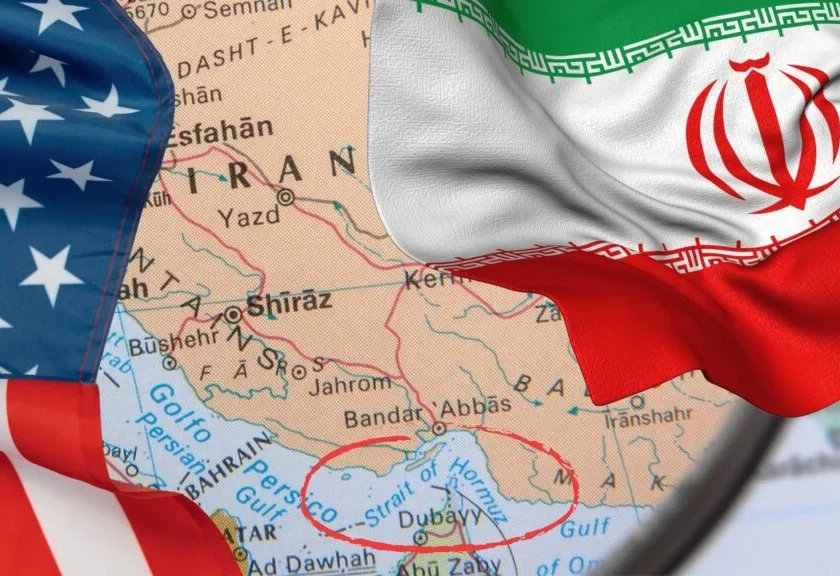
The Strait of Hormuz remains one of the world’s most strategically important maritime routes, carrying a significant share of global oil and gas exports.
Throughout the conflict, disruptions in the strait triggered sharp increases in energy prices and heightened fears of a global economic slowdown.
The new agreement requires Iran to:
- Reopen the waterway.
- Restore normal shipping volumes.
- Avoid restrictions for an initial 60-day period.
However, the language stops short of providing permanent guarantees regarding future access.
This has raised concerns among energy analysts and shipping companies.
The agreement does not explicitly prohibit future toll mechanisms or revised shipping regulations once the temporary period expires.
As a result, uncertainty continues to surround the long-term governance of the critical trade route.
For major energy importers such as India, China, Japan and South Korea, this remains a key area of concern.
Iran Emerges with Significant Economic Gains
Sanctions Relief Could Revive Tehran’s Economy
One of the most debated aspects of the agreement involves the economic concessions provided to Iran.
The deal reportedly includes:
- Gradual sanctions relief.
- Access to frozen financial assets.
- Resumption of Iranian oil exports.
- Reopening of Iranian ports.
- International reconstruction support.
These measures could inject billions of dollars into Iran’s economy over the coming years.
Supporters argue that economic integration encourages moderation and stability.
Critics contend that Washington has provided substantial concessions without securing equivalent political or strategic changes in return.
The controversy is likely to remain a major point of debate in American domestic politics.
The Energy Crisis Forced Strategic Reassessment
Economic Reality Altered the Course of the Conflict
One of the strongest arguments emerging from policy circles is that economic pressures ultimately shaped the outcome more than battlefield developments.
The prolonged disruption of energy supplies created consequences that extended far beyond the Middle East.
The conflict triggered:
- Volatile oil prices.
- Increased shipping costs.
- Higher inflation risks.
- Supply chain disruptions.
- Growing concerns among major economies.
These pressures affected allies and adversaries alike.
As global economic costs mounted, diplomatic engagement increasingly became the preferred option for all parties involved.
In this sense, the agreement reflects the limits of military power in an interconnected global economy where energy security remains a critical strategic consideration.
Political Reactions Expose Divisions in Washington
Critics on Both Sides Question the Agreement
The deal has generated criticism across the American political spectrum.
Many Republicans who supported a harder line against Tehran expressed surprise at reports suggesting extensive economic concessions.
Meanwhile, Democrats pointed to similarities between the current arrangement and previous diplomatic frameworks that Trump had criticised during earlier administrations.
This unusual situation has left the agreement facing scrutiny from both supporters and opponents.
Questions being raised include:
- Whether sanctions relief was justified.
- Whether Iran’s nuclear programme has been sufficiently constrained.
- Whether the agreement strengthens or weakens American leverage.
- Whether Washington compromised too much to secure a ceasefire.
These debates are expected to intensify as negotiations progress.
What Happens Next?
The Next 60 Days Could Define the Deal’s Success
The peace agreement should be viewed as the beginning of a diplomatic process rather than its conclusion.
Over the next two months, negotiators will attempt to resolve some of the most complex issues in international security and nuclear diplomacy.
Success will depend on:
- Verification mechanisms.
- Compliance by both parties.
- Regional cooperation.
- Economic implementation.
- Political support in Washington and Tehran.
Any breakdown in negotiations could revive tensions and undermine the fragile stability achieved through the agreement.
Conclusion: A Peace Deal Built on Compromise, Not Complete Victory
The Iran-US peace agreement represents a significant diplomatic achievement in that it ends a costly and dangerous conflict while reopening channels for dialogue.
However, it also illustrates the gap between wartime ambitions and diplomatic realities.
President Trump’s administration entered the conflict with expansive objectives that appeared to include fundamental changes to Iran’s political system, nuclear capabilities and regional influence. The final agreement, however, focuses primarily on de-escalation, nuclear negotiations and economic normalisation.
Iran retains its political structure, its leadership remains in place, and key questions surrounding the nuclear programme and the Strait of Hormuz have merely been deferred to future negotiations.
For supporters, the deal prevents a wider regional war and stabilises global energy markets. For critics, it represents a retreat from the broader objectives once championed by Washington.
What is clear is that the next 60 days of negotiations—not the signing ceremony itself—will determine whether this agreement becomes a lasting peace framework or merely a temporary pause in a long-running confrontation.