Trump Says US–Iran Peace Deal to Be Signed Sunday, Warns Military Strikes Remain an Option
By: Javid Amin | 13 June 2026
Historic Breakthrough or Fragile Truce? Trump Balances Diplomacy With Pressure
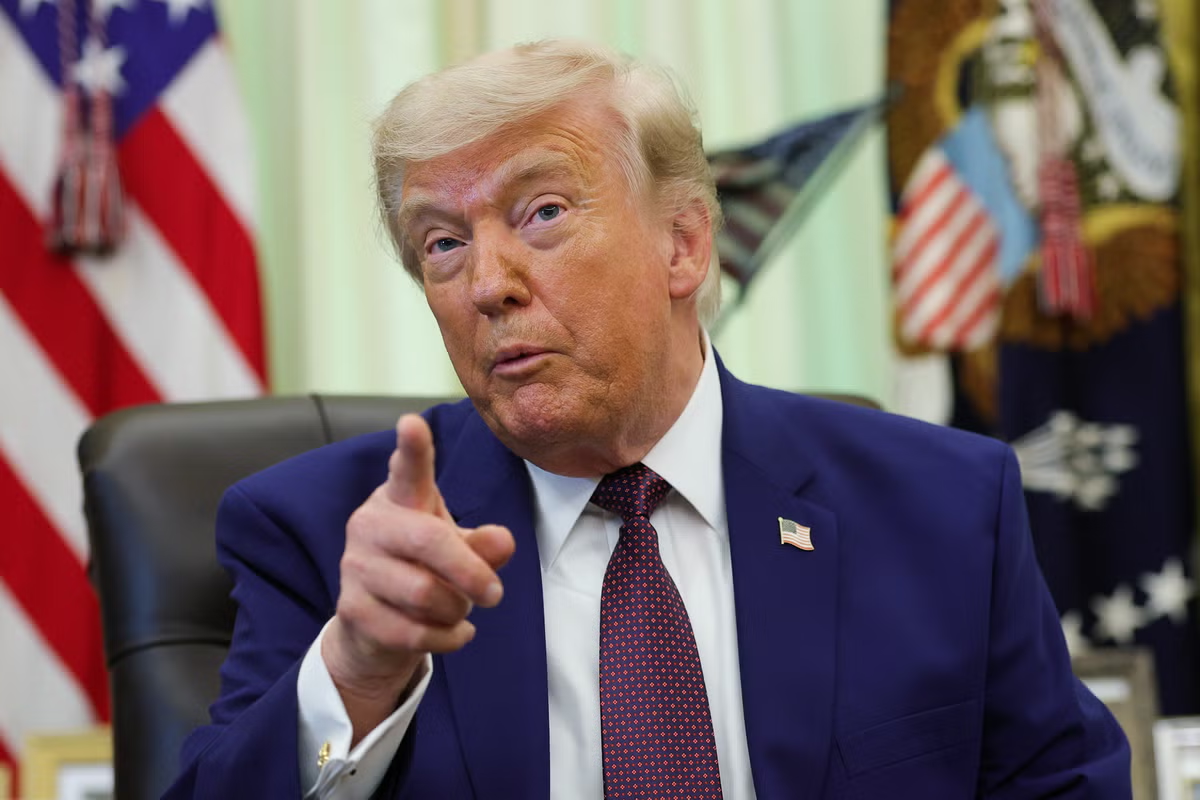
U.S. President Donald Trump has announced that a long-awaited peace agreement between the United States and Iran is expected to be signed on Sunday, raising hopes of a major diplomatic breakthrough after months of heightened tensions and military confrontation in the Middle East.
However, even as he projected confidence about the agreement, Trump maintained a hardline stance by making it clear that military action remains an option should Iran fail to honor its commitments. The dual message—offering peace while preserving the threat of force—reflects the negotiation strategy that has characterized much of Trump’s foreign policy approach.
The proposed agreement could mark one of the most significant developments in U.S.–Iran relations in recent years, with implications extending far beyond Washington and Tehran to global energy markets, Gulf security, and international diplomacy.
Trump Confirms Sunday Signing but Questions Remain
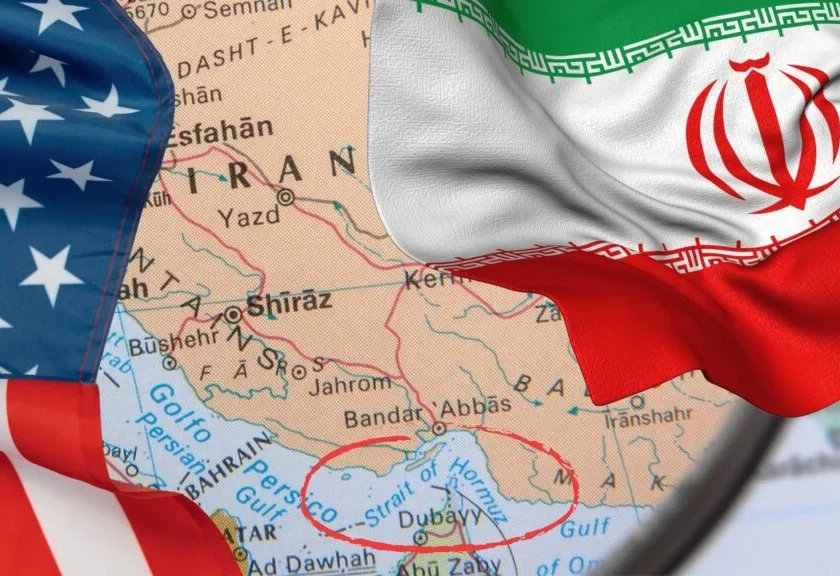
Speaking through posts and public statements, Trump said the deal is scheduled to be signed on Sunday and suggested that one of its immediate consequences would be the reopening of the strategically vital Strait of Hormuz to international shipping.
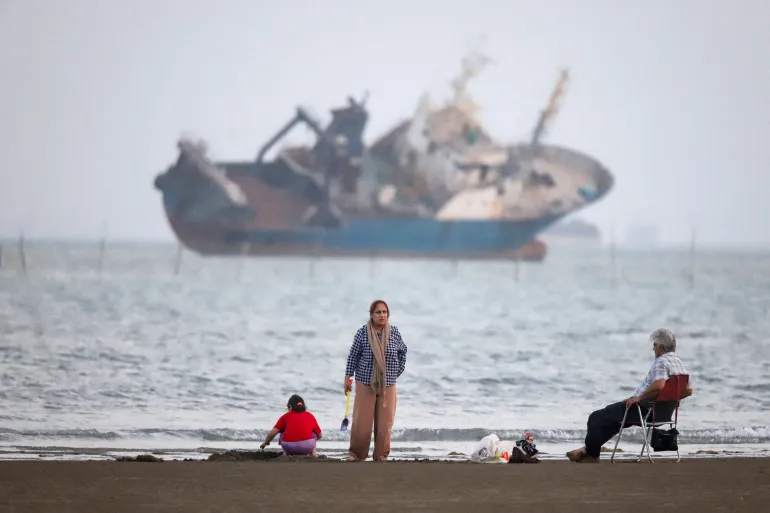
The Strait of Hormuz is among the world’s most important energy corridors, carrying a substantial share of global oil exports. Any disruption to traffic through the waterway has historically triggered volatility in energy markets and raised fears of broader regional conflict.
While U.S. officials and mediators have expressed optimism about the timeline, Iranian authorities have struck a more cautious tone. Tehran has indicated that negotiations are progressing positively but has not fully endorsed the claim that a final signing would definitely occur on Sunday. Iranian officials have instead suggested that an agreement could emerge in the coming days.
This divergence highlights the continuing complexity of the negotiations and underscores that several technical and political issues may still require resolution.
The Central Bargain: Security for Sanctions Relief
At the heart of the negotiations lies a familiar but highly contentious exchange.
Washington seeks assurances that Iran will not pursue nuclear weapons and will accept restrictions related to its nuclear activities. Trump has repeatedly stated that the agreement is designed to prevent Iran from obtaining a nuclear weapon under any circumstances.
Iran, meanwhile, has emphasized several key demands:
Sanctions Relief
Tehran wants meaningful easing of U.S. economic sanctions that have severely impacted its economy for years.
Recognition of Sovereignty
Iranian leaders continue to insist that any agreement must respect the country’s sovereignty and national interests rather than appear as a unilateral concession to Washington.
Economic Normalization
Iran is also seeking access to frozen assets and broader reintegration into international trade and financial systems. Reports indicate that economic incentives and phased sanctions relief remain part of ongoing discussions.
Although negotiators appear closer than at any point in recent months, disagreements reportedly remain regarding implementation mechanisms and the sequencing of commitments by both sides.
Trump’s Warning: Peace, But Not Without Consequences
One of the most notable aspects of Trump’s announcement was his insistence that military pressure remains available if Iran fails to comply.
The U.S. president has repeatedly signaled that the agreement is not an unconditional settlement. Instead, it is being framed as a deal backed by the possibility of renewed military action should Tehran violate its commitments. Reports indicate that Trump has referenced potential future strikes against Iranian nuclear infrastructure if obligations are breached.
For supporters, this approach strengthens deterrence and reinforces American leverage.
Critics, however, argue that continual references to military force could undermine trust and make long-term stability more difficult to achieve.
The strategy effectively combines diplomatic engagement with coercive pressure—an approach that has become a defining feature of Trump’s international negotiations.
Why the Strait of Hormuz Matters
A Global Energy Lifeline
The potential reopening of the Strait of Hormuz is one of the most consequential aspects of the proposed agreement.
The waterway connects Gulf energy producers to international markets and is considered indispensable for global oil transportation. Recent tensions in the region created concerns about shipping disruptions and rising energy costs.
If the agreement proceeds as expected, improved security conditions around the Strait could:
- Stabilize international oil prices.
- Reduce insurance and transportation costs for shipping companies.
- Improve energy market confidence.
- Lower the risk of a broader regional conflict.
Financial markets have already been closely monitoring developments, with investors viewing de-escalation as a positive signal for global economic stability.
Gulf States Watching Carefully
Across the Gulf region, governments are responding with cautious optimism.
Countries that have spent years navigating tensions between Washington and Tehran recognize the potential benefits of reduced conflict. However, many regional leaders remain wary given the history of failed negotiations, temporary ceasefires, and abrupt escalations.
The current ceasefire has reduced direct confrontation, but sporadic incidents and lingering distrust continue to cast uncertainty over the future. Regional capitals are therefore likely to judge the agreement not by the signing ceremony itself, but by whether both sides implement their commitments over time.
Political Significance for Trump
For Trump, securing a U.S.–Iran agreement would represent a major foreign-policy achievement.
Throughout the negotiations, he has contrasted the emerging framework with previous U.S. approaches toward Iran, arguing that his administration has pursued a tougher and more effective strategy. Trump has publicly claimed that the proposed arrangement would prevent Iran from acquiring nuclear weapons while avoiding the concessions he criticized in earlier agreements.
A successful deal would likely strengthen his argument that a combination of economic pressure, military leverage, and direct negotiations can produce results where previous diplomatic efforts struggled.
Challenges Ahead
Despite growing optimism, several hurdles remain:
Verification Mechanisms
Ensuring compliance will require robust monitoring and verification procedures.
Nuclear Negotiations
Many technical questions surrounding Iran’s nuclear activities may be addressed in follow-up talks rather than in the initial agreement.
Domestic Opposition
Hardliners in both the United States and Iran remain skeptical and could complicate implementation. Reports from Iran indicate that some political factions oppose concessions to Washington.
Regional Security Concerns
Countries across the Middle East will continue to assess whether the deal genuinely reduces long-term threats or merely pauses existing tensions.
What Happens Next?
If the agreement is signed as anticipated, attention will immediately shift toward implementation and compliance.
Negotiators are expected to begin additional discussions on nuclear issues, sanctions, regional security, and economic normalization. Some reports suggest that the initial agreement could function as a framework for a broader and more comprehensive settlement over the coming months.
Whether this becomes a lasting peace arrangement or simply another temporary truce will depend on the willingness of both Washington and Tehran to translate diplomatic promises into sustained action.
Conclusion
Donald Trump’s announcement of a possible Sunday signing has generated renewed optimism about a breakthrough in U.S.–Iran relations. Yet the president’s simultaneous warning that military strikes remain an option reveals just how delicate the situation remains.
The emerging agreement offers the prospect of sanctions relief, reduced regional tensions, and the reopening of the Strait of Hormuz—developments that could reshape Middle Eastern geopolitics and global energy markets. However, unresolved disputes, mutual distrust, and domestic political pressures mean that even if the deal is signed, the real challenge will begin afterward.
For now, the world is watching closely as Washington and Tehran stand on the verge of what could become one of the most consequential diplomatic moments of 2026.