J&K High Court Slams Backdoor Appointments, Calls Them a ‘Fraud on the Constitution’
By: Javid Amin | 23 May 2026
‘Public Jobs Cannot Be Distributed Through the Back Door’: J&K High Court Delivers Strong Message on Recruitment
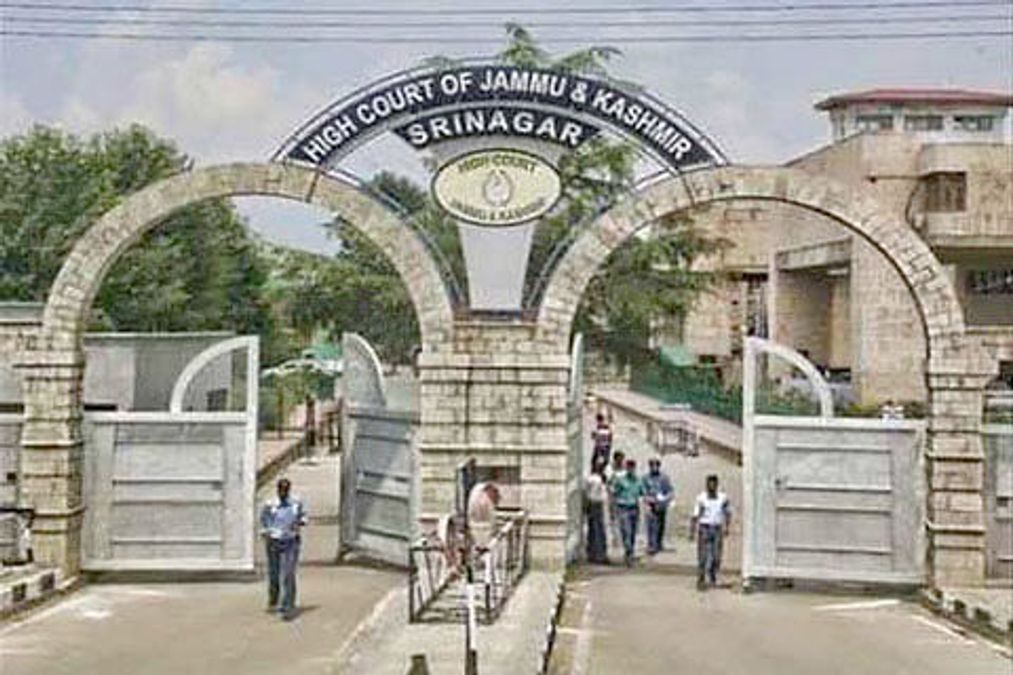
In a significant judgment with far-reaching implications for public employment in Jammu and Kashmir, the Jammu & Kashmir and Ladakh High Court has strongly condemned appointments made without proper advertisements, competitive examinations, or transparent selection procedures, describing such practices as a “fraud on the Constitution.”
The ruling reinforces a fundamental principle of public administration: government jobs are a public trust and must be filled through fair, open, and merit-based processes that provide equal opportunities to all eligible candidates.
The judgment came while deciding a case involving junior engineers engaged by the University of Kashmir on temporary terms who sought protection and eventual regularisation of their services.
Court Reaffirms Constitutional Principles
A division bench comprising Justice Sanjeev Kumar and Justice Sanjay Parihar emphasized that public employment cannot be distributed through arbitrary or selective methods.
The court observed that appointments made without public notification, competitive examinations, or transparent recruitment procedures undermine the constitutional guarantees enshrined in Articles 14 and 16 of the Constitution of India.
These provisions ensure:
- Equality before law
- Equal opportunity in public employment
- Protection against arbitrary state action
- Fair access to government jobs for all eligible citizens
According to the court, any process that bypasses these principles effectively excludes deserving candidates who never receive an opportunity to compete.
What Was the Case About?
The dispute arose after three junior engineers engaged by the University of Kashmir in 2017 challenged a recruitment notification issued in March 2026.
The engineers had reportedly been working on temporary terms and receiving a monthly remuneration of around ₹15,000.
They approached the court fearing that fresh recruitment through a regular selection process would jeopardize their continued engagement and prospects of regularisation.
The petitioners sought judicial protection against displacement and argued for consideration of their existing service.
However, the High Court declined to accept their arguments and upheld the principle that temporary engagement cannot automatically translate into permanent public employment.
Why the Court Rejected Regularisation
The judgment makes a clear distinction between temporary engagement and constitutionally valid recruitment.
The court noted that employees appointed without a proper selection process cannot claim a vested right to permanent government employment merely because they have worked for a certain period.
According to the bench, allowing regularisation of such appointments would effectively reward an unconstitutional process while simultaneously denying opportunities to countless eligible candidates who were never informed of vacancies.
The court observed that any attempt to legitimize such appointments through subsequent regularisation would defeat the very purpose of open competition and merit-based recruitment.
“Hire and Fire” Culture Under Judicial Scrutiny
The judgment also highlighted concerns regarding the widespread practice of engaging workers on temporary, contractual, daily-wage, or ad hoc arrangements without following formal recruitment norms.
The bench remarked that such engagements often operate under a “hire and fire” framework, lacking transparency and institutional accountability.
While temporary appointments may sometimes be made to meet urgent administrative needs, the court emphasized that these cannot become substitutes for regular recruitment procedures.
The ruling signals growing judicial scrutiny of practices that allow institutions to fill posts without public notification and later seek to regularize employees through administrative policies.
Why Articles 14 and 16 Matter
At the heart of the judgment lies the constitutional principle of equality.
Article 14
Guarantees equality before the law and equal protection of laws.
Article 16
Guarantees equal opportunity in matters of public employment.
Together, these provisions ensure that government jobs cannot be distributed based on discretion, favoritism, influence, or selective engagement.
The court reiterated that every eligible citizen must have a fair chance to apply and compete whenever public posts are filled.
Any recruitment process that excludes the wider public from consideration violates these constitutional safeguards.
Wider Implications Across Jammu and Kashmir
The ruling is likely to have consequences far beyond the University of Kashmir case.
Many government departments, public institutions, and autonomous bodies have historically relied on contractual, temporary, and ad hoc appointments to meet staffing requirements.
Legal experts believe the judgment sends a clear signal that such arrangements cannot become a pathway to permanent employment if the original appointment itself did not comply with constitutional requirements.
Key Implications
| Issue | Court’s Position | Likely Impact |
|---|---|---|
| Ad hoc appointments | Invalid if made without transparent recruitment | Increased scrutiny of temporary hiring |
| Regularisation | Cannot cure unconstitutional appointments | Reduced chances of automatic absorption |
| Public employment | Must comply with Articles 14 and 16 | Stronger protection for merit-based candidates |
| Recruitment policies | Must be transparent and competitive | Greater institutional accountability |
Challenges Ahead
While the judgment strengthens merit-based recruitment, it also raises difficult questions for thousands of temporary workers serving across various departments.
Many such employees have worked for years under contractual arrangements and had hoped that long service would eventually lead to regularisation.
The ruling suggests that length of service alone cannot override constitutional requirements.
As a result, employees engaged through non-transparent processes may face uncertainty regarding their future employment prospects.
For government departments, the judgment increases pressure to ensure that all future appointments are made through legally sustainable procedures.
A Turning Point for Recruitment Governance?
Observers say the decision could become an important precedent in recruitment-related litigation across Jammu and Kashmir.
The judgment reinforces a principle repeatedly emphasized by Indian courts: public employment is not a private arrangement between an institution and an individual but a constitutional process that must remain open to all eligible citizens.
By rejecting the “pick-and-choose” approach, the High Court has underlined that transparency, competition, and merit are not administrative preferences but constitutional obligations.
Conclusion
The Jammu & Kashmir and Ladakh High Court’s ruling represents a strong reaffirmation of equality and fairness in public employment.
By dismissing the plea of temporary junior engineers and describing backdoor appointments as a “fraud on the Constitution,” the court has drawn a clear line against recruitment practices that bypass open competition.
The message from the judiciary is unmistakable: government jobs must be filled through transparent advertisements, competitive selection, and equal opportunity—not through informal arrangements later converted into permanent positions.
For aspiring candidates, the judgment strengthens protections against unfair exclusion. For public institutions, it serves as a reminder that constitutional principles must remain at the center of every recruitment process.