The Power of Hormuz: How Iran’s Toll Strategy Is Redefining Global Power
By: Javid Amin | 24 April 2026
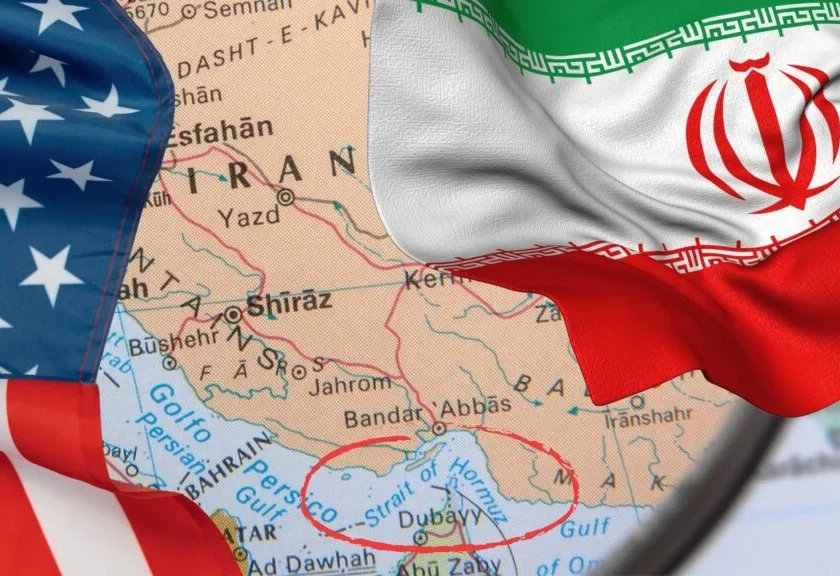
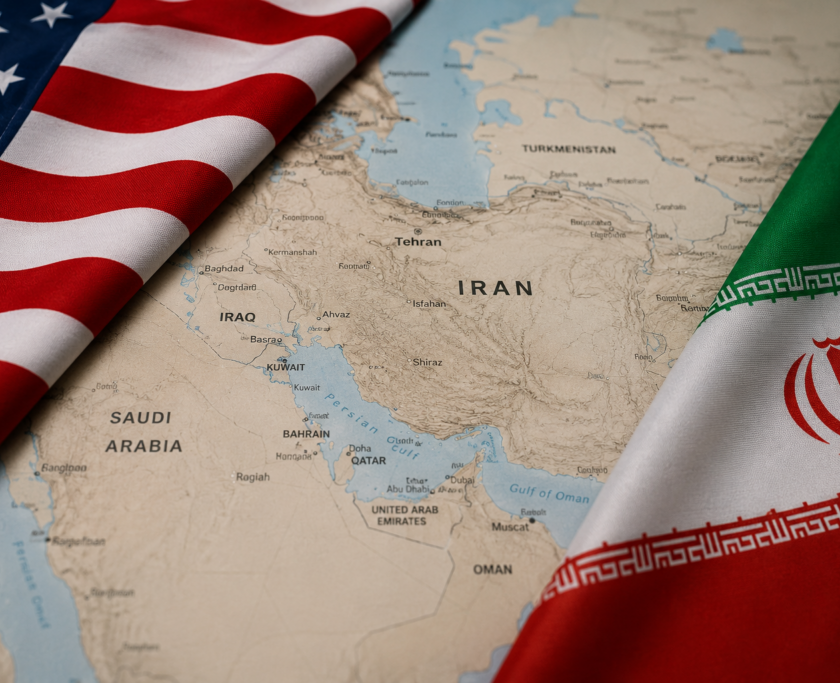
In geopolitics, control over geography often translates into control over destiny. Nowhere is this more evident than in the Strait of Hormuz, a narrow passage that has once again become the epicenter of global tension.
Iran’s reported move to begin collecting tolls from vessels transiting the strait marks a dramatic escalation—not just in its standoff with the United States, but in how power is exercised over global trade itself.
This is no longer just a military or diplomatic contest. It is a battle over economic sovereignty, legal norms, and strategic leverage.
The World’s Most Critical Chokepoint
For decades, Hormuz has functioned as an international waterway—open, contested, but not monetized. Iran’s decision to impose tolls disrupts that long-standing equilibrium.
By doing so, Tehran is effectively redefining the rules of access.
Iran’s Strategic Shift: From Threat to Monetization
Iran has long leveraged Hormuz through implicit threats—periodic warnings of closure or disruption. The shift to toll collection marks a transition from passive leverage to active monetization.
What Tehran Gains:
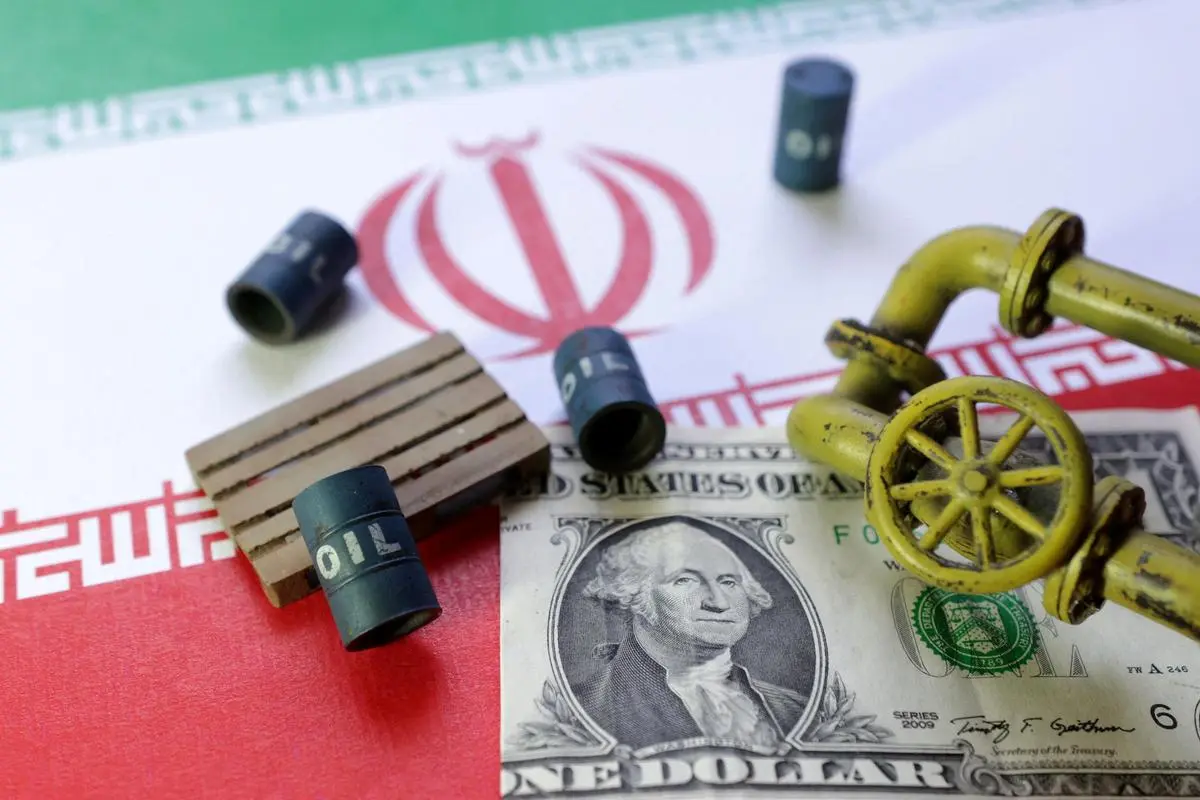
- Direct Revenue Stream: A new income channel amid sanctions pressure
- Negotiation Leverage: Passage rights now tied to economic concessions
- Domestic Signaling: Demonstrates strength and strategic autonomy
From Tehran’s perspective, this is a rational evolution. If global powers depend on Hormuz, why not convert that dependency into measurable economic gain?
Legal Grey Zone: International Waters or Controlled Passage?
The move places Iran in direct tension with established maritime law principles under frameworks like the United Nations Convention on the Law of the Sea.
Under UNCLOS norms, straits used for international navigation are not subject to unilateral toll regimes. The United States and its allies are therefore likely to reject Iran’s actions as illegitimate.
This creates a legal grey zone with real-world consequences:
- If enforced, Iran sets a global precedent
- If challenged, it risks military confrontation
Either outcome reshapes maritime governance norms.
Washington’s Counter: Freedom of Navigation vs Strategic Control
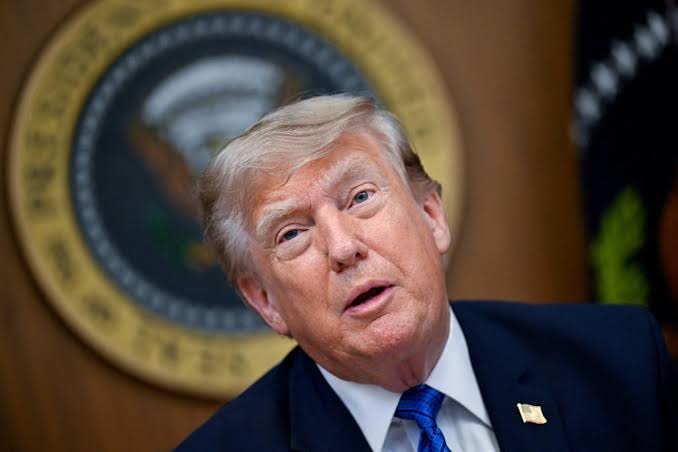
The United States, under Donald Trump, views the Strait of Hormuz as a global commons that must remain open.
Likely responses include:
- Increased naval escorts for commercial shipping
- Expanded enforcement of the existing blockade
- Potential direct confrontation at sea
This sets up a classic power clash: sovereignty vs global order.
Economic Shockwaves: The Hidden Cost of Control
Even limited disruptions in Hormuz ripple across the global economy. Iran’s toll strategy amplifies this effect.
Immediate Impacts:
- Rising Shipping Costs: Tankers now factor in tolls plus security risks
- Insurance Premium Surge: War-risk coverage spikes sharply
- Oil Price Volatility: Markets react to uncertainty, not just supply
Downstream Effects:
- Higher fuel prices in energy-importing regions like Asia and Europe
- Increased cost of goods due to shipping inflation
- Pressure on already fragile global supply chains
In essence, the cost of Hormuz control is exported worldwide.
Strategic Fallout: A Hardening Standoff
Iran’s ability to generate revenue from Hormuz alters the negotiation dynamics fundamentally.
- Less Incentive to Compromise: Economic gains reduce urgency for talks
- Higher Stakes for the US: Allowing tolls risks normalizing coercive control
- Regional Anxiety: Gulf states and Israel fear expanded Iranian influence
The stalled diplomatic track in Islamabad now faces an even steeper uphill battle.
The Risk of Escalation: From Economics to Conflict
The danger lies in enforcement.
If Iran attempts to compel ships to pay—and the US or allies resist—the situation could escalate rapidly:
- Vessel seizures
- Naval standoffs
- Limited strikes or retaliatory actions
In such a scenario, Hormuz transforms from a pressure point into a flashpoint.
Strategic Scenarios Ahead
1. Controlled Tension (Medium Likelihood)
Tolls continue informally, with partial compliance. Markets adjust, but tensions persist.
2. Direct Confrontation (High Likelihood)
US challenges enforcement, leading to maritime incidents and potential escalation.
3. Negotiated Framework (Low Likelihood)
A mediated arrangement formalizes transit rules—but requires major concessions.
4. Regional Spillover (Medium Likelihood)
Conflict expands via proxies, especially involving Hezbollah and Israel.
Bottom Line: The Monetization of Geopolitics
The “Power of Hormuz” is no longer theoretical—it is operational.
Iran’s toll collection strategy signals a new phase where geography is not just leveraged but actively monetized. In doing so, Tehran has transformed the strait into:
- A revenue engine
- A negotiation tool
- A strategic weapon
For the world, the implication is stark: global energy security now hinges not just on supply and demand, but on who controls the narrowest—and most consequential—waterway on Earth.
The Strait of Hormuz is no longer just a passage. It is the fulcrum of 21st-century power.