Iran Sets Red Line: No Talks Until US Lifts Naval Blockade
By: Javid Amin | 23 April 2026
A fresh diplomatic standoff is unfolding as Iran has made it unequivocally clear: no negotiations with the United States will resume unless Washington lifts its naval blockade of Iranian ports and access to the Strait of Hormuz.
Iran’s UN envoy, Amir Saeid Iravani, has called the blockade a direct violation of the ongoing ceasefire, raising the stakes in an already fragile geopolitical environment.
A Ceasefire Under Strain: Diplomacy Meets Coercion
The current truce—brokered with quiet intervention from Pakistan—was meant to create space for diplomacy. Instead, it has exposed deep structural disagreements:
- Tehran insists that negotiations under pressure are non-starters
- Washington views the blockade as essential leverage to force compliance
This divergence has effectively frozen formal dialogue, even as both sides signal openness to talks under different conditions.
Iran’s Position: Sovereignty Over Sanctions
Speaking at the United Nations, Iravani outlined Iran’s stance with unusual clarity:
“The United States’ naval blockade is a breach of the ceasefire. Dialogue can begin only after the restrictions are removed.”
Tehran’s strategy hinges on two pillars:
- Reject coercive diplomacy that undermines sovereignty
- Maintain deterrence posture, including readiness to escalate if required
At the same time, Iran has left the door open—carefully—for diplomacy, provided its baseline demand is met.
Washington’s Calculus: Pressure First, Talks Later
On the American side, Donald Trump has extended the ceasefire but paired it with a stark warning:
failure to reach a deal could lead to renewed military strikes.
Meanwhile, JD Vance, who led earlier backchannel discussions in Islamabad, has so far failed to secure concessions from Tehran.
The US position remains consistent:
- The blockade is a negotiating tool, not a violation
- Any easing of restrictions will be conditional on Iranian compliance, particularly on nuclear and missile programs
Strategic Flashpoint: Why the Strait of Hormuz Matters
At the heart of this confrontation lies the Strait of Hormuz—arguably the most critical energy chokepoint in the world.
- Roughly 20% of global oil shipments pass through this narrow corridor
- Any disruption could trigger immediate global energy shocks
- Insurance, shipping, and supply chains are already under stress
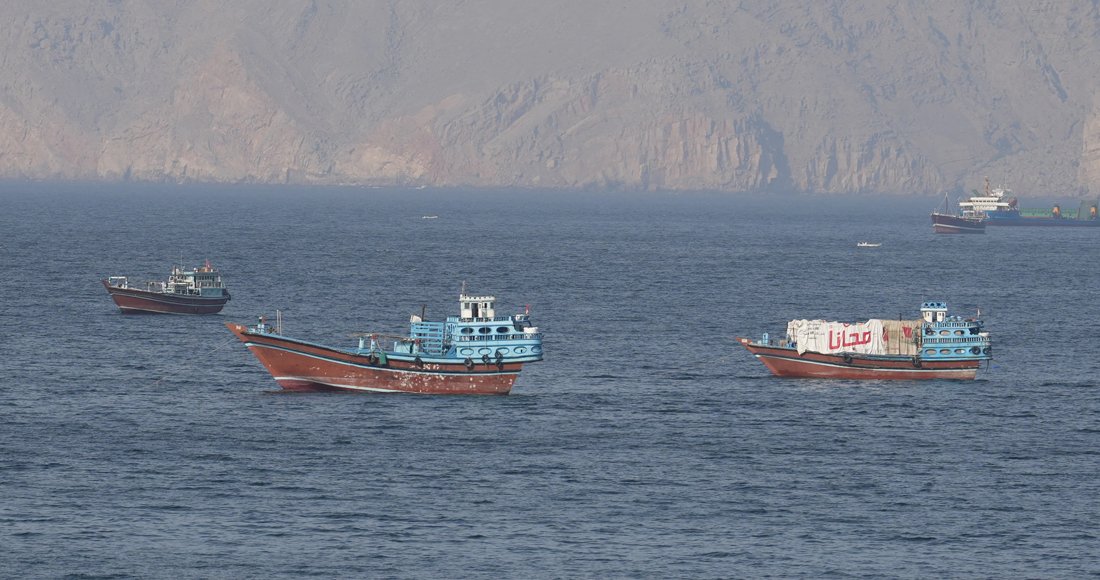
Recent reports of IRGC-linked naval activity near Oman, including incidents involving commercial vessels, have only heightened concerns.
Istanbul in Focus: A Possible Diplomatic Reset?
Amid the deadlock, Turkey has emerged as a potential facilitator, with Istanbul being floated as the next venue for talks.
This signals:
- A shift toward neutral diplomatic ground
- Continued involvement of regional mediators like Pakistan
- A cautious willingness from both sides to keep channels open
However, without movement on the blockade issue, even Istanbul may remain a symbolic option rather than a substantive breakthrough.
Ground Reality: Military Tensions Persist
Despite the ceasefire:
- The US naval presence continues to restrict Iranian maritime access
- Iran’s Revolutionary Guard Corps maintains heightened operational activity
- Both sides remain in a state of tactical readiness
This creates a volatile environment where:
- Minor incidents can escalate quickly
- Miscalculations at sea could derail diplomacy entirely
Scenario Analysis: What Lies Ahead?
1. Conditional De-escalation
Likelihood: Medium
- Partial easing of blockade
- Talks begin in Istanbul
- Temporary reduction in tensions
2. Prolonged Stalemate
Likelihood: High
- Ceasefire holds but remains fragile
- No formal negotiations
- Continued economic and military pressure
3. Ceasefire Collapse
Likelihood: Medium–High
- Naval confrontations intensify
- Renewed US or Israeli strikes
- Sharp spike in oil prices
4. Regional Spillover
Likelihood: Medium
- Escalation spreads beyond Gulf
- Increased involvement of non-state actors
- Multi-front instability
Global Impact: Energy, Security, and Markets
The implications extend far beyond the Gulf:
- Energy Markets: Persistent volatility due to Hormuz risks
- Global Trade: Shipping routes face higher costs and insurance premiums
- Regional Stability: Gulf states and South Asia remain on edge
For economies already under strain, any escalation could trigger cascading economic consequences.
Conclusion: Diplomacy at a Standstill
The current moment reflects a classic geopolitical impasse:
- Iran demands respect for sovereignty before dialogue
- The US insists on pressure as a prerequisite for negotiation
Between these positions lies a narrowing diplomatic corridor.
Unless one side recalibrates—either through partial lifting of the blockade or conditional engagement from Tehran—the most likely outcome is a prolonged, fragile standoff with periodic escalations.