Cow Vigilantism in India: The Ramban Case That Sparked Outrage and Questions
By: Javid Amin | 13 April 2026
The alleged assault and disappearance of a man in Jammu & Kashmir’s Ramban district has once again brought India’s long-running issue of cow vigilantism into sharp focus. What began as a local incident has now escalated into a major law-and-order and human rights concern, raising urgent questions about accountability, minority safety, and the rule of law.
What Happened in Ramban? A Timeline of Events
According to initial reports and local testimonies:
- Victim Identified: Tanvir Ahmad Chopan, a resident belonging to a nomadic cattle-rearing community.
- Trigger Event: He was allegedly transporting a cow when he was intercepted by a group of self-proclaimed “cow vigilantes.”
- Assault: Witnesses claim he was physically attacked and chased.
- Desperate Escape: In an attempt to flee, Chopan reportedly jumped into a nearby stream (nullah).
- Current Status: He remains missing, with search operations ongoing.
While the exact sequence is still under investigation, multiple local accounts corroborate the claim that the assault triggered the fatal chain of events.
Mass Protests and Highway Blockade: Why the Situation Escalated
The incident quickly sparked widespread anger among locals.
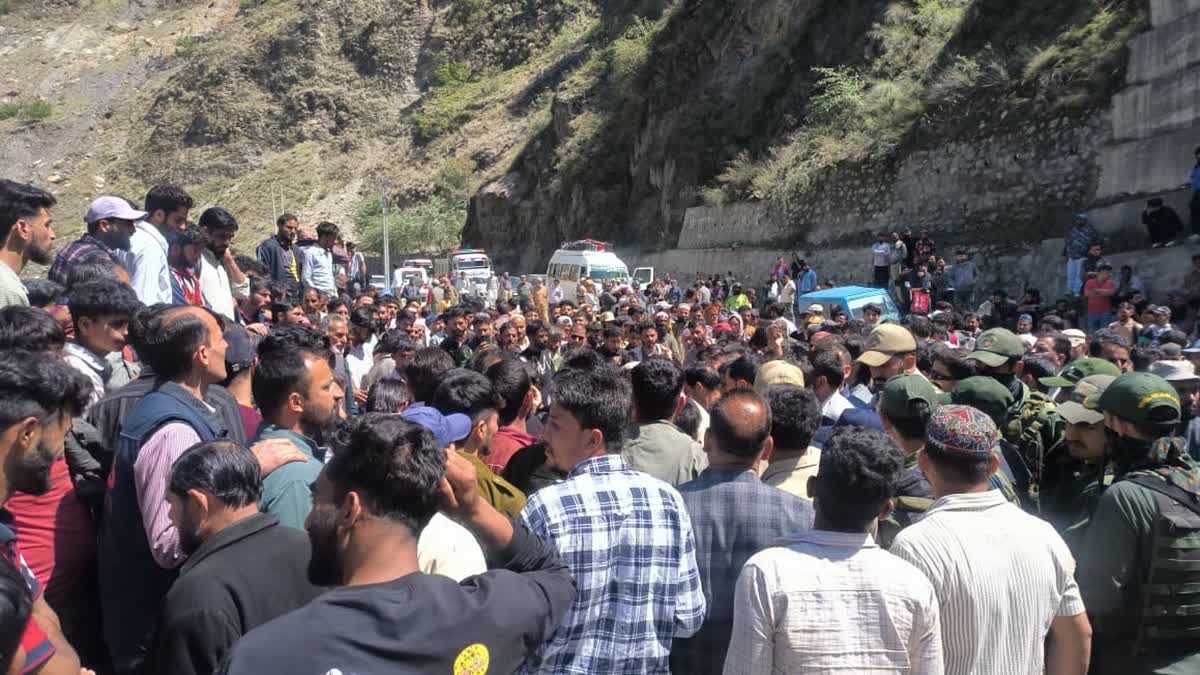
- Hundreds of residents took to the streets.
- Protesters blocked the Jammu–Srinagar National Highway, a critical arterial route connecting Kashmir Valley with the rest of India.
- Demonstrators demanded:
- Immediate arrest of all accused
- A transparent investigation
- Protection for vulnerable communities
The blockade caused significant disruption to transport, including essential supplies—highlighting how localized violence can quickly spiral into a broader crisis.
Police Response: SIT Probe and Arrests
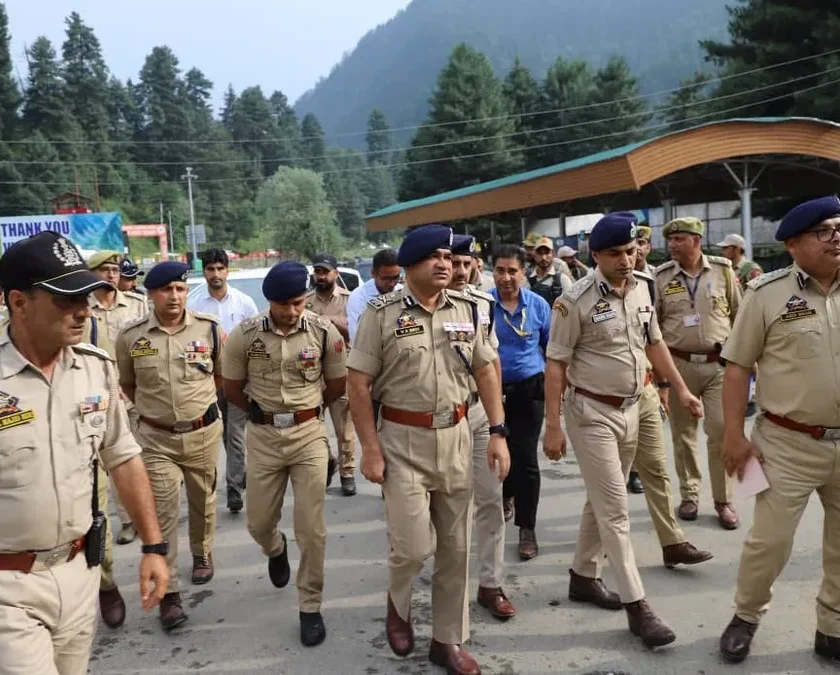
- SIT Formed: The police constituted a Special Investigation Team to ensure an impartial probe.
- Detentions: At least four individuals have been detained for questioning.
- FIR Registered: A formal case has been filed under relevant criminal sections.
- Search Operations: Rescue teams continue combing the stream and surrounding terrain.
Officials have stated that all angles are being investigated, including the role of vigilante groups.
The Bigger Picture: Cow Vigilantism Across India
The Ramban case is not an isolated incident. It fits into a broader national pattern often referred to as cow vigilantism—where self-appointed groups enforce cattle protection laws, often violently.
Why Cow Vigilantism Happens
- Religious reverence for cows among many Hindus
- State-level laws restricting cow slaughter and transport
- Weak enforcement mechanisms allowing vigilante groups to operate
Documented Trends
Over the past decade:
- Multiple cases of mob violence linked to cattle transport
- Victims often belong to minority or nomadic communities
- Incidents frequently occur in rural or highway transit zones
Several high-profile cases in states like Uttar Pradesh, Rajasthan, and Jharkhand have drawn national and international scrutiny.
Nomadic Communities Under Pressure
Local residents allege:
- Frequent harassment during cattle transport
- Suspicion and profiling by vigilante groups
- Lack of legal protection during seasonal migration
For these groups, cattle are not just economic assets—they are central to identity and livelihood. Incidents like Ramban deepen insecurity and mistrust.
Political and Social Reactions
The incident has drawn sharp reactions:
- Political leaders have condemned the assault, calling it “barbaric” and demanding strict action.
- Civil society groups have raised concerns over human rights violations.
- Local delegations have sought government intervention to ensure safety for nomadic populations.
The case is rapidly becoming a test of governance and justice delivery in the region.
Legal and Constitutional Questions
At its core, the Ramban case raises critical legal issues:
- Can civilians enforce cattle protection laws?
- What accountability mechanisms exist for vigilante violence?
- Are existing laws being misused to justify mob action?
India’s Supreme Court has previously condemned mob lynching and called for stricter enforcement against vigilante groups. However, implementation remains uneven.
Why the Ramban Case Matters
The significance of this case extends beyond one missing individual:
- Rule of Law: Challenges the state’s monopoly over lawful enforcement
- Communal Harmony: Risks deepening social divisions
- Economic Impact: Disrupts key transport routes like the Jammu–Srinagar highway
- Human Rights: Raises concerns about protection of vulnerable communities
What Happens Next?
The outcome now hinges on the SIT investigation:
- Will the missing man be found?
- Will the accused face prosecution?
- Will systemic changes follow?
For many observers, the Ramban case is not just about justice for one individual—it is about whether India can effectively curb a pattern of vigilante violence that continues to resurface.
Conclusion: A Moment of Reckoning
The Ramban incident underscores a difficult reality: when law enforcement is overshadowed by mob action, the consequences are often tragic and far-reaching.
As investigations continue, the case serves as a stark reminder that justice must not only be done—but be seen to be done, especially in regions marked by social and political sensitivity.