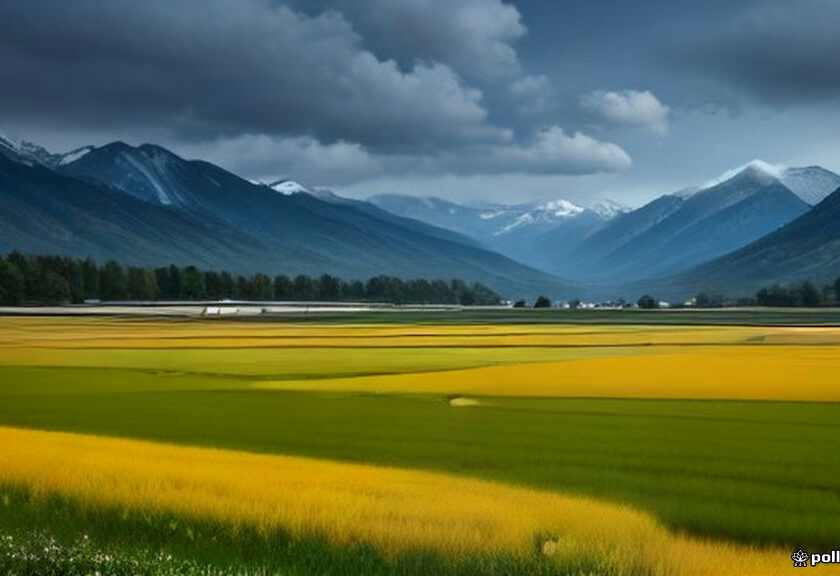
The rhythmic silence of the high Himalayas, usually broken only by the whistling wind and the distant trickle of melting glaciers, has been replaced by the jarring roar of diesel engines. At an altitude of nearly 11,000 feet, the appearance of heavy excavators near the turquoise waters of Sheshnag Lake has triggered a wave of Sheshnag Lake construction concerns that are now echoing from the mountain passes to the corridors of power in Srinagar. The site, a critical stop on the Amarnath Yatra pilgrimage and a primary feeder for the Lidder River, stands at the centre of a fierce debate between infrastructural expansion and ecological preservation.
- Unprecedented Intervention: For the first time, heavy earth-moving machinery has been deployed at the fragile Sheshnag alpine zone.
- Political & Religious Consensus: Mirwaiz Umar Farooq and major political parties have united in seeking a halt to the construction.
- Water Security Risk: Contamination or structural changes at Sheshnag could jeopardise the water supply for the entire South Kashmir region.
- Regulatory Oversight: The JKPCC is currently reviewing environmental clearances amidst intense public scrutiny.
Ground Realities & Latest Developments
The controversy erupted this week when images and videos of excavators operating on the rocky banks of Sheshnag Lake began circulating on social media. Local nomads and early trekkers reported that the machinery is being used to widen tracks and create permanent structures, ostensibly to facilitate the movement of pilgrims and security forces for the upcoming Amarnath Yatra. However, the sheer scale of the mechanical intervention has shocked conservationists who have long argued that the high-altitude ecosystem is too brittle for such heavy-handed engineering.
The Sheshnag Lake construction concerns are not merely aesthetic. The use of heavy machinery involves the vibration of permafrost layers and the potential for fuel leaks into the pristine alpine water. Environmentalists point out that the soil at this altitude is loose and prone to landslides; any mechanical disturbance could trigger siltation that would cloud the lake’s famous crystal-clear waters for decades.
Historical Context & Policy Background
Sheshnag Lake holds immense religious significance for Hindus and is a vital ecological asset for the Kashmir Valley. Historically, the trek to the lake was restricted to foot traffic and ponies, a limitation that acted as a natural buffer against environmental degradation. In recent years, the push for ‘all-weather’ infrastructure has seen a shift in policy, with agencies seeking to make the high-altitude terrain more accessible.
In a significant administrative move, the Jammu & Kashmir Pollution Control Committee (JKPCC) recently conducted a public hearing to discuss the Environmental Management Plan (EMP) for the area. While officials argue that these hearings are a step toward transparency, critics suggest they are often a precursor to green-lighting projects that have already been set in motion. The tension between the need for pilgrim safety and the mandate for environmental conservation has never been more palpable.
| Altitude | 3,590 Metres (11,780 ft) |
| Primary Outflow | Lidder River (Indus Basin) |
| Ecological Status | Fragile Alpine Zone |
| Key Threats | Siltation, Fuel Spills, Permafrost Damage |
Voices from the Valley: Community & Expert Perspectives
The outcry has been led by Mirwaiz Umar Farooq, who expressed deep apprehension over the mechanical intrusion. He emphasised that while the hospitality of the Kashmiri people toward pilgrims is well-known, it should not come at the cost of destroying the region’s natural heritage. “The ecology of the Himalayas is our lifeblood. Using heavy machinery at Sheshnag is an invitation to environmental disaster,” a spokesperson for the Mirwaiz stated.
Political entities like the National Conference (NC) and the People’s Democratic Party (PDP) have also voiced their Sheshnag Lake construction concerns, demanding that the government provide a detailed impact assessment report. They argue that the current trajectory of development ignores the lessons of the 2014 floods and the recent land subsidence incidents in other parts of the Himalayas.
“Sheshnag is not just a lake; it is a giant water tank for the valley. If you crack the tank with heavy machinery, the entire downstream population will face the consequences of water scarcity and flash floods.” — Local Environmental Consultant.
Strategic Ramifications & The Road Ahead
The long-term impact of these activities extends beyond the immediate vicinity of the lake. The Lidder River, which originates from these heights, sustains the agriculture and drinking water needs of millions in South Kashmir. Any alteration in the drainage patterns or the introduction of pollutants at the source could have a cascading effect on the regional economy.
As the JKPCC deliberates on the environmental clearances, the pressure from civil society continues to mount. The road ahead requires a delicate balance: ensuring the safety of the Amarnath Yatra while strictly adhering to the ‘no-machinery’ zones that experts say are essential for the survival of the high-altitude glaciers. The government’s response in the coming days will determine whether Sheshnag remains a symbol of pristine beauty or becomes a cautionary tale of ecological neglect.
Frequently Asked Questions (FAQ)
Why is heavy machinery being used at Sheshnag Lake?
The machinery is reportedly being used to widen the tracks and create infrastructure to facilitate the Amarnath Yatra. Authorities aim to improve safety and accessibility for the thousands of pilgrims who visit the site annually.
What are the specific Sheshnag Lake construction concerns raised by experts?
Experts are concerned about permafrost disturbance, potential oil and chemical leaks from the excavators, and the high risk of siltation which could permanently damage the lake’s ecosystem and the Lidder River’s water quality.
Has the government responded to the environmental outcry?
The JKPCC has held public hearings to address environmental management plans. While the government maintains that all work will follow environmental norms, the presence of heavy machinery before final clearances has fueled public distrust.
This report was synthesized from ground dispatches by Kashmir Life, The New Indian Express, and local environmental monitors.