US–Israel–Iran War Month Two | Houthis Strike Israel, Saudi Bases Hit, Oil Routes at Risk
By: Javid Amin | 30 March 2026
A War Without Borders: Conflict Expands Across the Middle East
As of March 30, 2026, the war involving United States, Israel, and Iran has entered its second month—and it is no longer confined to three actors.
With the entry of Yemen’s Houthis, mounting American casualties in Saudi Arabia, and increasing threats to global oil supply chains, the conflict has evolved into a full-scale regional war with global economic implications.
Despite parallel diplomatic efforts led by Pakistan, Turkey, Egypt, and Saudi Arabia, the battlefield reality remains volatile and increasingly complex.
Ground Situation: Escalation Across Land, Air, and Sea
1. US–Israel Offensive vs Iran
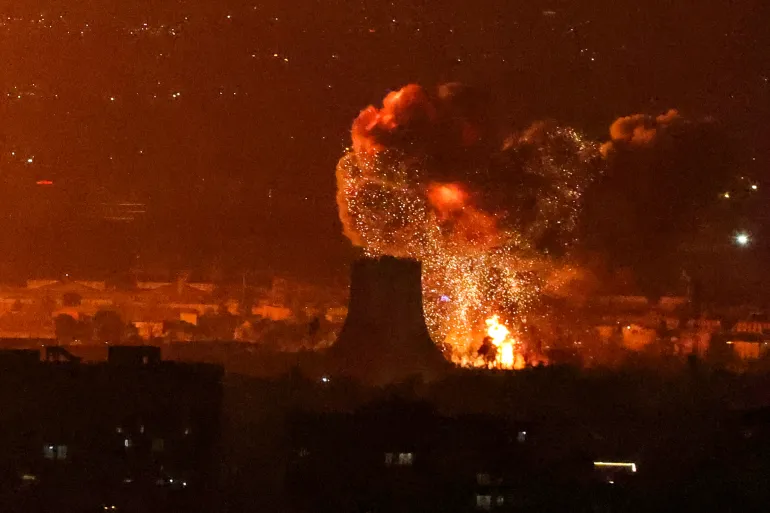
Military operations continue at high intensity.
Coalition Strategy
- Sustained strikes on Iranian military and nuclear infrastructure
- Heavy reliance on Gulf-based airpower and surveillance assets
- Targeted degradation of Iran’s missile and drone capabilities
Iran’s Multi-Front Retaliation
Iran has responded with a distributed warfare model, targeting:
- Israeli urban centers
- U.S. bases across the Gulf
- Strategic infrastructure in allied states
The doctrine is clear: expand the battlefield to increase pressure on adversaries.
2. Attack on Saudi Soil: A Turning Point
A major escalation occurred at the Prince Sultan Airbase:
- A U.S. AWACS surveillance aircraft was destroyed
- 2 American soldiers killed, 29 wounded
This marks a significant shift:
U.S. assets are no longer peripheral—they are directly in the line of fire.
3. Houthis Enter the War
The involvement of the Houthis represents a major expansion of the conflict.
What Happened
- Missile strikes launched toward Israel on March 29
- Public alignment with Iran’s broader war effort
Why It Matters
- Opens a southern front against Israel
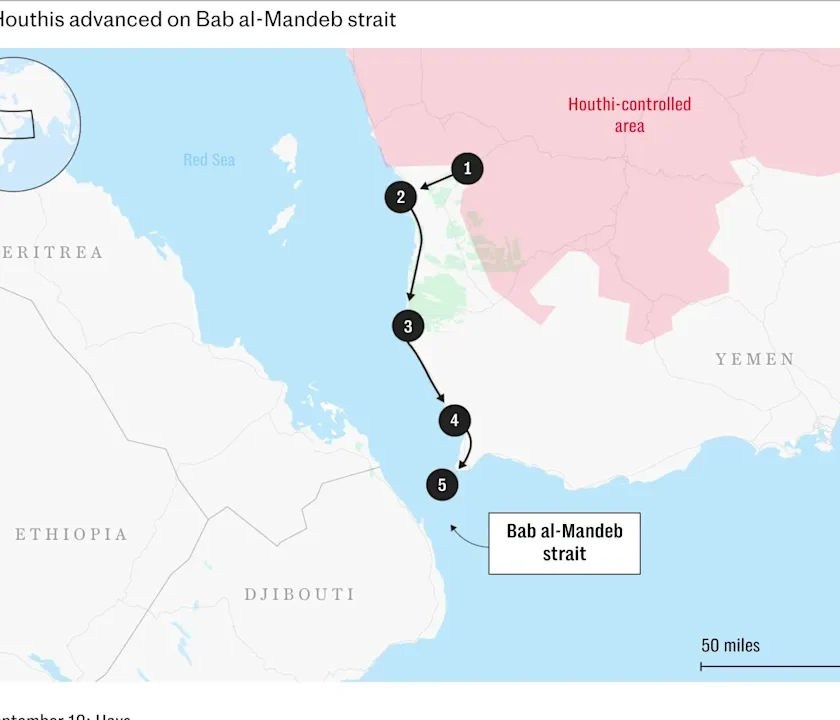
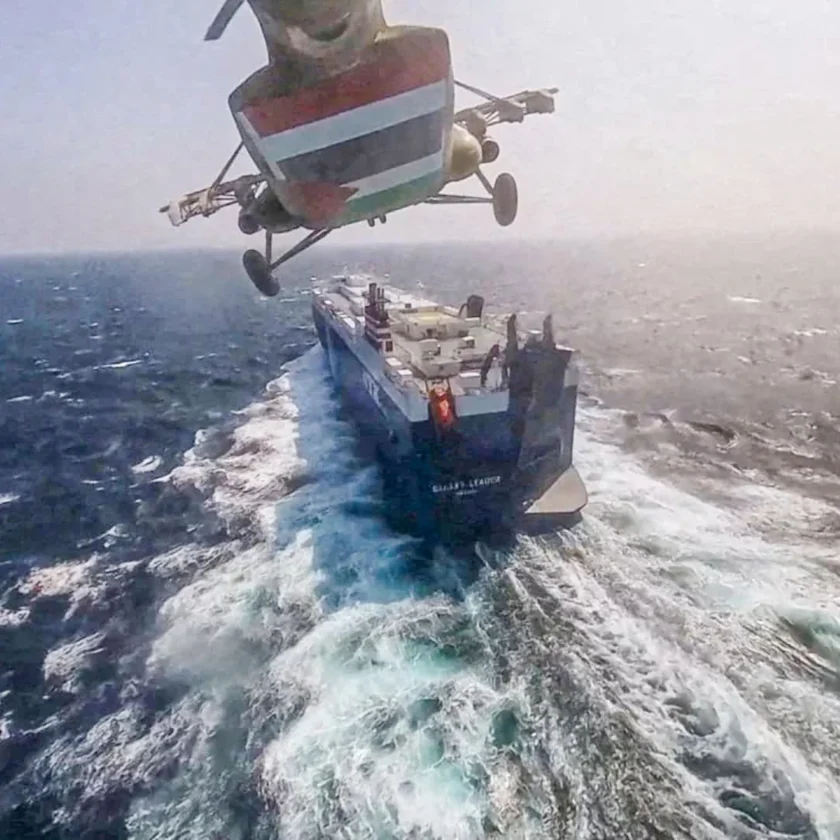
- Threatens critical maritime routes in the Red Sea
- Increases risks for global shipping and energy flows
The Houthis’ entry transforms the war from a regional confrontation into a multi-theater conflict spanning the Middle East and maritime corridors.
Oil & Shipping: Global Lifelines Under Pressure
Two critical chokepoints are now under threat:
1. Strait of Hormuz
- Already disrupted by Iranian actions
- Key route for Gulf oil exports
2. Red Sea
- Increasingly threatened by Houthi missile activity
- Vital for Europe–Asia trade via the Suez Canal
Global Impact
- Rising oil prices and market volatility
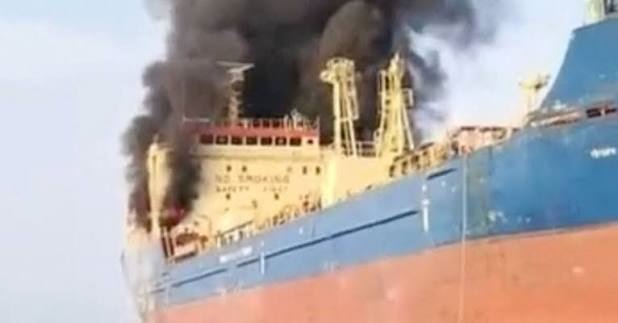
- Insurance costs for shipping surging
- Potential supply chain disruptions worldwide
This dual-threat scenario is unprecedented in recent years—two of the world’s most critical energy corridors simultaneously at risk.
🇸🇦 Saudi Arabia: Caution Under Fire
Despite being directly targeted, Saudi Arabia has adopted a restrained posture.
Recent Developments
- Iranian strikes on Ras Tanura refinery and sites in Riyadh
- U.S. casualties on Saudi soil
Strategic Calculation
Saudi Arabia appears to be:
- Avoiding direct retaliation
- Seeking to prevent full-scale escalation
- Balancing alliance commitments with national security risks
This restraint reflects a broader concern:
A direct Saudi entry into the war could trigger uncontrollable regional escalation.
Diplomacy in Motion: Islamabad Talks
Even as fighting intensifies, diplomatic efforts are underway.
Mediation Bloc
- Pakistan
- Turkey
- Egypt
- Saudi Arabia
Foreign ministers are meeting in Islamabad to explore:
- Ceasefire frameworks
- De-escalation mechanisms
- Humanitarian corridors
Iran’s Warning
Tehran has issued a clear red line:
Any country allowing its territory to be used for attacks will be treated as a legitimate target.
This directly impacts:
- Gulf states hosting U.S. bases
- Regional actors balancing neutrality and alliance commitments
Strategic Alignment: Who Stands Where
United States
- Leading military operations
- Increasing exposure to casualties
- Balancing war with diplomatic signaling
Israel
- Sustained offensive posture
- Expanding operational theaters
Iran
- Retaliating across multiple fronts
- Leveraging asymmetric warfare
Houthis
- Opening new attack vectors
- Threatening maritime stability
Saudi Arabia & Gulf States
- Supporting U.S. logistics
- Exercising caution to avoid escalation
Mediators (Pakistan, Turkey, Egypt)
- Attempting to broker de-escalation
- Acting as diplomatic intermediaries
Key Risks: A Conflict Nearing Critical Threshold
1. Regional War Spiral
With multiple actors engaged, the risk of:
- Syria and Iraq entering the conflict
- Wider alliance activation
is significantly increasing.
2. Energy Crisis
Sustained disruption in Hormuz and the Red Sea could:
- Push oil prices sharply higher
- Trigger global economic instability
3. Escalation of Proxy Warfare
Groups aligned with Iran may:
- Expand attacks beyond current theaters
- Target additional U.S. or allied assets
4. Diplomatic Breakdown
Despite ongoing talks:
- No concrete ceasefire framework yet
- Deep mistrust between primary actors
Strategic Outlook: What Comes Next
Short-Term
- Continued missile and drone exchanges
- Intensified strikes on infrastructure
- Rising casualty figures
Medium-Term
- Increased pressure on global oil markets
- Expanded diplomatic engagement
- Potential humanitarian interventions
Long-Term
The defining variable remains:
Whether diplomacy can outpace escalation.
If mediation fails, the war risks becoming:
- Prolonged
- Economically destabilizing
- Structurally transformative for regional geopolitics
Final Takeaway: A War Redrawing the Map
The second month of the conflict reveals a stark reality:
- The battlefield is expanding
- New actors are entering
- Economic consequences are global
What began as a confrontation is now a systemic regional crisis—one that threatens not only Middle Eastern stability but also the foundations of global energy security.
The coming weeks will determine whether this trajectory leads toward containment—or a far wider war.