Mirwaiz Umar Farooq Condemns Uttarakhand Attack on Kashmiri Shawl Vendor, Raises Safety Concerns
By: Javid Amin | 30 January 2026
A Moral Voice Raises Alarm
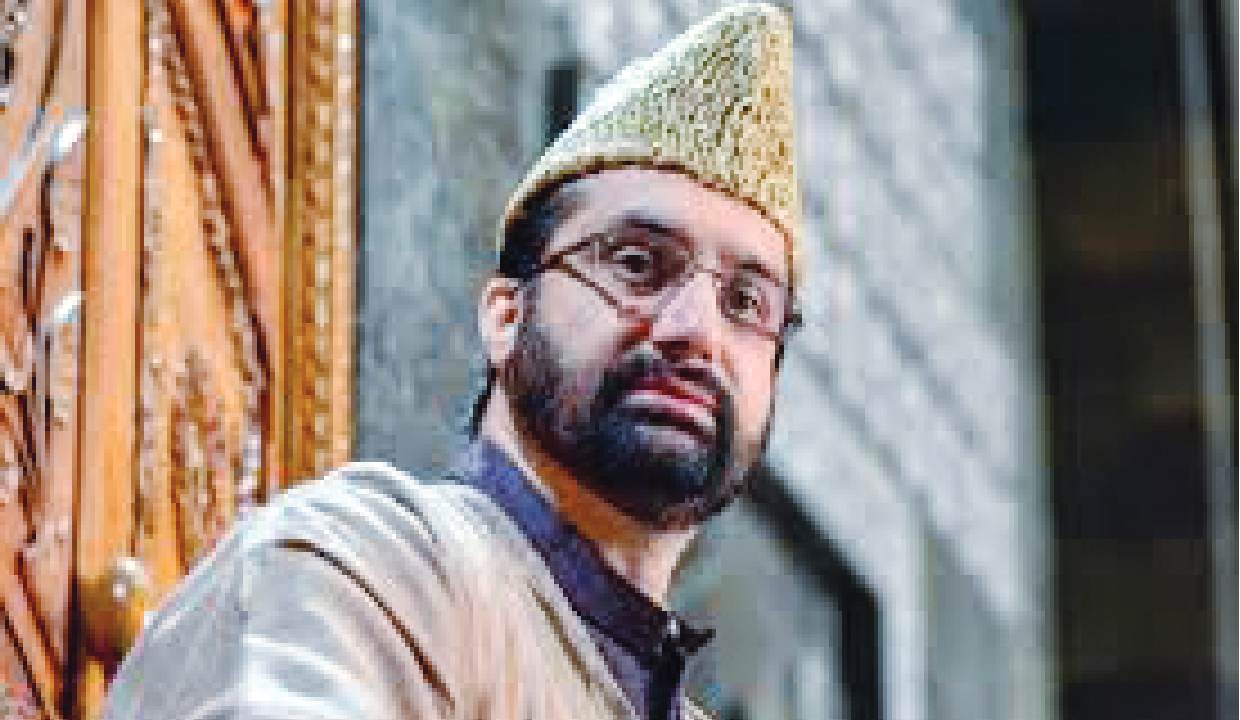
The violent assault on a young Kashmiri shawl vendor in Uttarakhand has continued to reverberate across Jammu & Kashmir, drawing reactions not only from mainstream political leaders but also from prominent religious and community figures. Adding his voice to the growing chorus of condemnation, Mirwaiz Umar Farooq, chief cleric of Kashmir and chairman of the Hurriyat Conference, has termed the incident “disturbing and unacceptable.”
His remarks underline the depth of anxiety spreading among Kashmiri traders and workers who travel outside the Valley for livelihood — an anxiety that now cuts across political, ideological, and religious lines.
The Uttarakhand Assault — What Happened
Mob Attack on a Kashmiri Vendor
The incident occurred in Dehradun, Uttarakhand, where a Kashmiri youth selling shawls was allegedly assaulted by a mob. The victim sustained serious injuries, triggering outrage and concern back home in Kashmir.
Shawl sellers from Kashmir traditionally migrate to various parts of India during winter months, relying on seasonal trade to support their families. The attack struck at the heart of this economic lifeline.
Viral Visuals and Public Shock
Images and videos of the injured vendor circulated widely on social media, intensifying public reaction. Many Kashmiris saw the visuals as emblematic of growing vulnerability faced by small traders outside the Valley.
Mirwaiz Umar Farooq’s Statement
‘Disturbing and Unacceptable’
Reacting to the incident, Mirwaiz Umar Farooq expressed deep concern, calling the assault both disturbing and unacceptable.
He described the attack as part of a worrying trend of intolerance against Kashmiris working or doing business outside Jammu & Kashmir.
Appeal to Authorities
Mirwaiz urged:
- Uttarakhand authorities to take strict and swift action against the perpetrators
- State administrations across India to ensure safety and dignity of Kashmiri traders
- Strong deterrence to prevent recurrence of such incidents
His appeal was framed not as a political statement, but as a call for basic human security and justice.
Fear Among Kashmiri Traders
Livelihood Under Threat
Mirwaiz highlighted that repeated attacks and harassment create a climate of fear among Kashmiri workers and traders, discouraging them from seeking livelihoods outside the Valley.
For many families, seasonal migration is not optional — it is an economic necessity born out of limited opportunities at home.
Psychological Impact
Beyond physical injuries, such assaults inflict psychological trauma. Parents fear for the safety of their children, while young traders question whether honest work is worth the risk.
Wider Political Condemnation
Across the Spectrum
The Uttarakhand attack has drawn condemnation from leaders across the political divide:
- Chief Minister Omar Abdullah raised the issue with Uttarakhand CM Pushkar Singh Dhami
- BJP leader Ashok Kaul called the incident “unfortunate and wrong”
- Congress leaders and civil society groups described it as reflective of rising intolerance
Mirwaiz’s intervention adds moral and community weight to these political responses.
Intolerance and Interstate Mobility
A Growing Pattern?
Many in Kashmir fear that such incidents are becoming increasingly frequent, particularly in northern states where Kashmiri vendors are visibly present during winter.
The perception of being targeted because of identity has deepened mistrust and insecurity.
Mobility vs Safety
The situation raises uncomfortable questions:
- How safe is interstate mobility in practice for marginalised workers?
- Are migrant traders adequately protected?
- What mechanisms exist to address identity-based harassment?
The Jobs Debate Reignited
Looking Inward
Repeated attacks outside the Valley have revived debate on local employment generation in Jammu & Kashmir.
Leaders including Omar Abdullah and Sajad Lone have argued that economic self-reliance is becoming increasingly important as external work environments feel unsafe.
Limits of Choice
Critics caution that while inward-looking employment strategies are necessary, they should not come at the cost of restricting constitutional freedom to work anywhere in the country.
What Needs to Be Done
Immediate Measures
- Swift arrests and prosecutions
- Public reassurance by state governments
- Helplines and support systems for Kashmiri traders outside J&K
Long-Term Steps
- Awareness campaigns to counter prejudice
- Inter-state coordination on migrant worker safety
- Strengthening economic opportunities within J&K
Conclusion: Safety, Dignity, and the Right to Earn
Mirwaiz Umar Farooq’s remarks reflect a growing moral and social unease over the safety of Kashmiri traders working outside their homeland. The Uttarakhand assault is not just a law-and-order issue; it is a test of India’s commitment to dignity, equality, and freedom of livelihood.
As condemnation mounts across political and ideological lines, the challenge before authorities is clear: ensure justice for the victim, restore confidence among Kashmiri workers, and prevent fear from becoming a permanent feature of economic life.