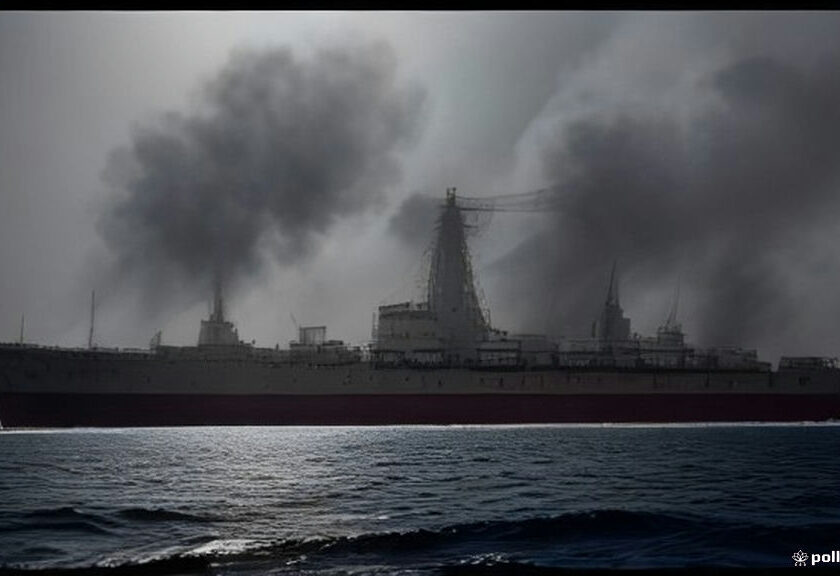
The Shifting Sands of Regional Stability
The geopolitical landscape of the Middle East and the Horn of Africa is currently undergoing a period of rapid, high-stakes realignment. As of late 2024, the region is characterized by a dual reality: the signing of significant new military alliances and a stark warning from Western authorities regarding the ‘deeply unpredictable’ nature of security for international observers and travelers. The UK Foreign, Commonwealth & Development Office (FCDO) recently intensified its travel advisories, signaling that traditional safety metrics are being rewritten by emerging conflicts and shifting diplomatic loyalties.
- The UK Foreign Office has labeled the Middle East ‘deeply unpredictable,’ urging extreme caution for travelers across multiple nations.
- A landmark defense agreement between Egypt and Somalia has altered the security architecture of the Red Sea and Horn of Africa.
- Regional tensions are no longer localized, with defense pacts creating new ‘blocs’ that could trigger wider escalations.
- International airlines and tourism sectors are bracing for prolonged disruptions as safety protocols are tightened.
Historical Context & Background
For decades, the Middle East has managed a delicate balance of power, often mediated by international players. However, the breakdown of long-standing security arrangements has forced regional powers to seek new, often surprising, alliances. The current climate of unpredictability is rooted in the intersection of the ongoing Gaza conflict, the persistent threat to Red Sea shipping lanes, and the internal restructuring of power within the Arab League. Historically, defense pacts in this region were aimed at counter-terrorism; today, they are increasingly focused on state-level deterrence and securing vital maritime trade routes.
Administrative Decisions & Ground Realities
The administrative pivot began with the FCDO’s latest circular, which moved beyond standard warnings. By categorizing the region as ‘deeply unpredictable,’ the Foreign Office is acknowledging that intelligence cycles are struggling to keep pace with the speed of escalation. This is not merely about active war zones; it includes nations previously considered stable hubs for business and tourism.
Simultaneously, the ‘One more defence agreement’ reported by Al-Ahram Weekly highlights a significant strategic move: the military pact between Egypt and Somalia. This agreement, which involves the deployment of Egyptian military assets to Mogadishu, is a direct response to Ethiopia’s controversial maritime deal with the breakaway region of Somaliland. By entering this pact, Cairo is not only supporting Somali sovereignty but also securing its own interests at the entrance to the Suez Canal. This administrative decision has effectively internationalized a local Horn of Africa dispute, adding another layer of complexity to the Middle Eastern security matrix.
Local Impact & Community Perspectives
On the ground, these high-level decisions translate into tangible anxiety. In transit hubs like Dubai, Doha, and Amman, the tourism sector is feeling the weight of the FCDO’s warnings. Travel agencies report a surge in inquiries regarding insurance coverage and cancellation policies. For local populations, the new defense pacts bring a mix of hope for stability and fear of becoming a proxy in larger power struggles. In Somalia, the arrival of Egyptian support is seen by many as a vital safeguard for national integrity, yet it also raises the specter of increased friction with neighboring Ethiopia.
Strategic & Socio-Economic Ramifications
The economic stakes are immense. The Red Sea carries roughly 12% of global trade, and any instability fueled by new military alignments directly impacts global supply chains. The Egypt-Somalia pact is a clear signal that the struggle for Red Sea dominance is entering a more formalized military phase. Investors are closely watching how these defense agreements influence oil prices and shipping insurance premiums, which have already seen volatile spikes in recent months.
Chronological Timeline of Recent Security Shifts
| Date | Event | Impact |
|---|---|---|
| August 2024 | Egypt-Somalia Defense Pact Signed | Formalizes military cooperation and equipment transfers. |
| September 2024 | UK FCDO Alert Update | Labels region ‘deeply unpredictable’; triggers travel insurance re-evaluations. |
| Late Sept 2024 | Egyptian Military Shipments Arrive | First major hardware delivery to Mogadishu in decades. |
| October 2024 | Regional Security Summit | Arab League discusses maritime safety and regional deterrence. |
The Road Ahead: Future Milestones
The coming months will be critical for determining whether these new defense pacts act as a stabilizer or a catalyst for further friction. Analysts are looking toward the next African Union summit and UN General Assembly sessions for signs of de-escalation between Egypt and Ethiopia. Meanwhile, the FCDO is expected to maintain its high-alert status until there is a clear reduction in cross-border hostilities and maritime threats. The primary milestone to watch will be the full implementation of the Egyptian military presence in Somalia and how Ethiopia chooses to respond to this new strategic reality on its doorstep.
Frequently Asked Questions (FAQ)
What does ‘deeply unpredictable’ mean for travelers?
This terminology used by the Foreign Office suggests that security situations can deteriorate without warning. It advises travelers to have robust contingency plans, comprehensive insurance, and to stay updated via official government channels daily.
Why is the Egypt-Somalia defense agreement significant?
It marks a shift in regional power dynamics, where North African powers are directly intervening in the Horn of Africa to protect maritime interests and counter-balance rival regional influences, specifically regarding the Nile and the Red Sea.
Are commercial flights still operating in the region?
While most major hubs remain open, many airlines have adjusted routes to avoid specific airspace. Travelers should check with their carriers frequently, as flight paths can change within hours based on the latest security intelligence.