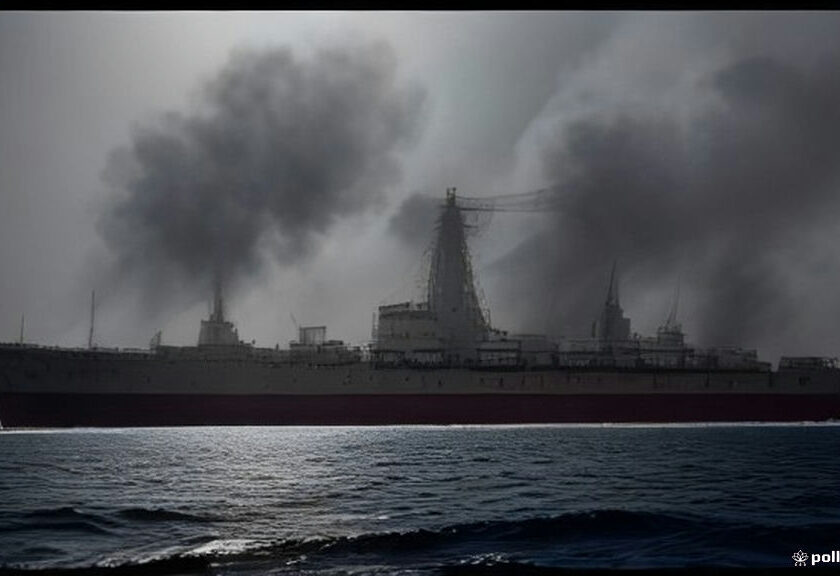
A severe security escalation has gripped the Arabian Peninsula following a wave of coordinated assaults targeting critical infrastructure across Saudi Arabia, Bahrain, and Kuwait. The sudden surge in hostilities has rattled regional stability, prompted fierce international condemnations, and triggered widespread disruptions across global aviation networks, directly impacting major hubs like Dubai.
- A Saudi wealth fund tower in Riyadh sustained structural damage following Houthi-linked aerial attacks.
- Gulf Cooperation Council nations have jointly condemned hostile operations directed against Bahrain and Kuwait.
- Commercial aviation across Dubai and the broader Middle East faces severe disruptions and flight rerouting.
- International rescue operations successfully evacuated 21 Indian nationals following a targeted tanker strike.
Historical Context & Background
The security architecture of the Gulf has faced mounting pressures over the past decade, driven by proxy conflicts and shifting geopolitical alliances. Historically, the Kingdom of Saudi Arabia and its neighbors have maintained rigorous defense perimeters against cross-border threats originating from Yemen and other regional actors. However, the recent escalation marks a sharp deterioration, extending kinetic threats deeper into major economic centers and vital maritime corridors that sustain international commerce.
Administrative Decisions & Ground Realities
Emergency response teams were mobilized immediately across Riyadh following the impact on the prominent wealth fund tower. Municipal authorities and civil defense units secured the perimeter to assess structural integrity and mitigate fire risks. Simultaneously, defense ministries in Bahrain and Kuwait placed security forces on high alert, enacting emergency protocols to safeguard critical energy installations, desalination plants, and administrative districts.
Local Impact & Community Perspectives
On the ground, residents in Riyadh and neighboring Gulf capitals have experienced palpable anxiety as air defense sirens and intercepted projectiles illuminated the night sky. The disruption of commercial air traffic has stranded thousands of international travelers across Dubai and regional airports, forcing airlines to suspend schedules or reroute flights away from active conflict zones. Meanwhile, maritime shipping companies have implemented stringent safety protocols following the reported tanker strike that necessitated the emergency evacuation of 21 Indian crew members.
Strategic & Socio-Economic Ramifications
The widening scope of hostilities poses immediate threats to global energy markets and supply chains. Investors and analysts are closely monitoring the economic fallout, as repeated targeting of financial and commercial landmarks in primary hubs dampens investor confidence. Diplomatic channels are working overtime, with regional leaders issuing unified communiques demanding an immediate cessation of hostile actions to protect regional stability and international trade lanes.
Chronological Timeline & Data Breakdown
- Phase 1: Initial aerial incursions detected over Saudi airspace, resulting in the strike on the Riyadh commercial tower.
- Phase 2: Escalation spreads northward, prompting Bahrain and Kuwait to report hostile actions targeting national infrastructure.
- Phase 3: Maritime incident involving a commercial tanker prompts multinational rescue efforts, successfully evacuating 21 Indian nationals.
- Phase 4: Major regional airlines implement widespread flight cancellations and detours, impacting operations in Dubai.
The Road Ahead: Future Milestones
As diplomatic missions convene emergency sessions, the immediate priority remains the restoration of deterrence and the protection of civilian infrastructure. Stakeholders across the international community are urging restraint to prevent a full-scale regional conflagration. Future milestones will depend heavily on diplomatic engagement, maritime security patrols, and the enforcement of stricter airspace safety measures.
Frequently Asked Questions (FAQ)
Which countries have been directly affected by the recent attacks?
Saudi Arabia, Bahrain, and Kuwait have all reported direct hostile incidents or security emergencies impacting their territory and infrastructure.
How are international flights being affected in the region?
Aviation authorities and major carriers operating through Dubai and Gulf hubs have faced widespread flight disruptions, cancellations, and necessary route alterations to bypass volatile airspace.
What is being done to protect maritime routes and commercial vessels?
Naval coalitions and emergency response teams have increased patrols and executed successful evacuation missions, such as the extraction of 21 Indian crew members following a tanker strike.