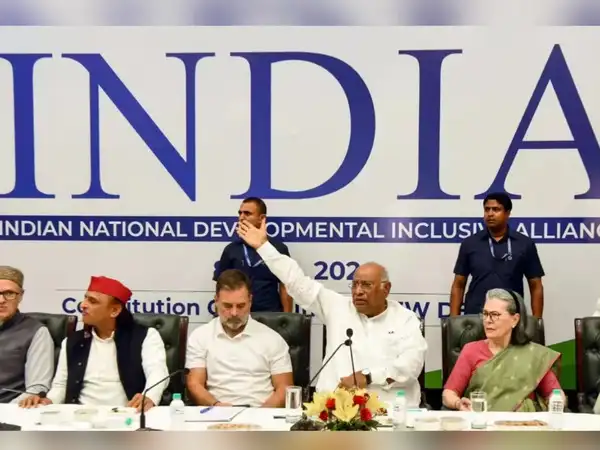
Political friction is mounting across national opposition ranks as the impending legislative re-mapping exercise ignites an intense INDIA bloc delimitation row. Behind closed doors and across state capitals, regional chieftains and national strategists are locking horns over population-based seat redistribution, raising fundamental questions about federal equity and coalition survival. As senior leaders converge on Mumbai for high-level consultations, the core question remains whether a united front can withstand regional imperatives.
- The proposed delimitation exercise has sparked a fierce debate within the INDIA opposition bloc, threatening fragile coalition ties.
- Tamil Nadu Chief Minister MK Stalin firmly declared that state interests come first, challenging national consensus strategies.
- Veteran leader Sharad Pawar has convened a crucial meeting in Mumbai to forge a unified opposition stance on the matter.
- Congress leaders face mounting pressure to bridge ideological divides and keep allied parties aligned ahead of upcoming electoral battles.
Ground Realities & Latest Developments
The ground reality in political headquarters reflects deep anxiety. Southern states, having successfully managed population growth over past decades, fear significant political disenfranchisement under any new seat-allocation formula tied strictly to census figures. This anxiety erupted into open debate when Tamil Nadu Chief Minister MK Stalin delivered a defiant public message following interactions with national allies, emphasizing that regional identity and state welfare take absolute precedence over broader coalition messaging.
Meanwhile, organizational machinery is shifting gears toward the financial capital. Nationalist Congress Party chief Sharad Pawar has stepped in to mediate and direct discussions. The scheduled Mumbai consultations are widely viewed as a make-or-break moment for formulating a cohesive opposition response that appeases southern constituents without alienating northern vote banks.
Historical Context & Policy Background
The controversy surrounding constituency boundaries is rooted in decades of administrative policy. Constitutional freezes on seat adjustments were previously enacted to encourage population control measures, ensuring states that performed well in family planning were not penalized legislatively. With the freeze approaching expiration, the prospect of recalibrating parliamentary representation based on contemporary demographic shifts has reintroduced deep structural tensions between northern and southern states.
Data Breakdown & Key Metrics
| Parameter | Current Status | Projected Impact |
|---|---|---|
| Southern Representation | Stable Share | Potential Relative Decline |
| Northern Representation | High Growth | Potential Seat Increase |
| Opposition Alignment | Fragile Consensus | Severe Regional Strain |
Voices from the Valley: Community & Expert Perspectives
Political analysts and regional observers note that balancing regional pride with national opposition solidarity is a formidable challenge for Rahul Gandhi and other senior Congress functionaries. While opposition strategists emphasize collective strength against the ruling administration, regional satraps answer directly to local electorates who view demographic weighting as an existential governance threat.
“When federal principles face restructuring, local mandates must speak louder than national compromises. Tamil Nadu’s interests are non-negotiable.” — Senior Regional Political Insiders
Strategic Ramifications & The Road Ahead
The outcome of the Mumbai conclave will likely dictate the trajectory of opposition politics for the foreseeable future. If leaders fail to draft a mutually acceptable formula regarding boundary adjustments, the ideological glue binding the multi-party alliance risks dissolving. Conversely, a successful compromise could cement federal federalism as a primary campaign platform, turning a potential vulnerability into a unified rallying cry.
Frequently Asked Questions (FAQ)
What is the core issue behind the INDIA bloc delimitation row?
The dispute centers on how future parliamentary seat adjustments will be calculated, with southern states fearing a reduction in their political weight due to successful population stabilization programs.
Why is Sharad Pawar hosting the meeting in Mumbai?
Sharad Pawar is acting as a senior coalition mediator to bring conflicting regional factions to the table and establish a consensus stance on national policy challenges.
What was MK Stalin’s stance during the discussions?
MK Stalin maintained a firm position that safeguarding Tamil Nadu’s political representation and state interests remains his primary governing priority above all national coalition directives.
Editorial Desk Report • Verified Ground Journalism • All Rights Reserved