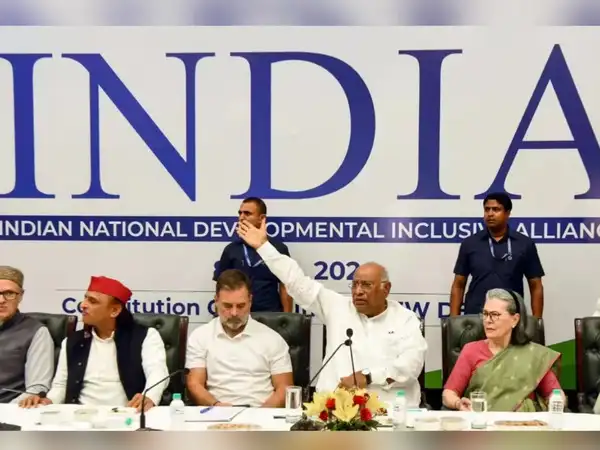
A sudden political tremor has shaken national opposition corridors, as the INDIA bloc delimitation stance faces an unexpected internal test. Top opposition figures, including Congress stalwarts Rahul Gandhi and Sonia Gandhi, hurriedly traveled to Chennai to hold urgent consultations with Dravida Munnetra Kazhagam (DMK) leadership. This high-stakes intervention comes directly on the heels of the DMK signaling support for the Centre’s upcoming parliamentary constituency restructuring push, sending shockwaves through coalition headquarters.
- Top opposition leaders fast-tracked meetings in Chennai over shifting regional stances.
- Rahul Gandhi publicly alleged that the proposed exercise is a bid to redraw the Lok Sabha map for partisan gain.
- Southern states express grave anxiety over losing parliamentary weight due to successful population control measures.
- Alliance coordinators are racing to forge a unified national narrative ahead of upcoming parliamentary battles.
Ground Realities & Latest Developments
The political atmosphere in Chennai is electric. As murmurs grew over the regional party’s alignment with central administrative goals, opposition managers recognized an immediate threat to coalition solidarity. Senior alliance coordinators stress that maintaining a united front against any legislative change to electoral boundaries is non-negotiable. The friction highlights the inherent challenges of managing a diverse federal coalition where regional governance priorities occasionally intersect with national opposition strategies.
“This is not merely an administrative exercise; it is a calculated attempt to redraw the democratic landscape of the nation for narrow political advantage.”
Historical Context & Policy Background
Parliamentary boundary readjustment based on population has remained a contentious subject for decades. Under historical moratoriums, states that successfully implemented family planning initiatives were protected from losing parliamentary representation. However, with the upcoming exercise drawing closer, southern political formations fear severe disenfranchisement. The current debate revives long-standing anxieties regarding federal balance, fiscal federalism, and the political weight of southern Indian states within the Union parliament.
Data Breakdown & Key Metrics
- 📍 Primary Meeting Location: Chennai, Tamil Nadu
- 👥 Key Participants: Rahul Gandhi, Sonia Gandhi, DMK Leadership
- ⚠️ Core Issue: Lok Sabha Constituency Restructuring
- 🏛️ Alliance Status: Active negotiations to bridge internal divergence
Voices from the Valley: Community & Expert Perspectives
Political analysts across New Delhi and Chennai note that regional parties walk a tightrope between state-level administrative pragmatism and national coalition unity. Civil society groups in southern states have also voiced apprehension, demanding transparent criteria that safeguard the representation of states contributing significantly to the national economy and demographic stabilization. Meanwhile, health updates regarding veteran leaders like Sharad Pawar in Mumbai add another layer of complexity to ongoing opposition coordination efforts.
Strategic Ramifications & The Road Ahead
The outcome of these emergency consultations will dictate the legislative strategy of opposition parties in the upcoming parliamentary sessions. If the alliance manages to iron out its internal differences, the legislative opposition to the boundary bill could become a defining flashpoint. Conversely, any lingering divergence risks fracturing the coalition’s foundational narrative ahead of critical electoral cycles.
Frequently Asked Questions (FAQ)
Why did INDIA bloc leaders rush to meet DMK leadership?
Leaders traveled to Chennai to address differences after the DMK showed unexpected alignment with the Centre’s administrative push regarding constituency restructuring.
What is the core objection of opposition parties regarding the bill?
Opposition parties argue that population-based redrawing penalizes southern states that implemented successful family planning programs, reducing their overall representation in the Lok Sabha.
How does this impact national coalition unity?
It poses an immediate test for alliance coordination, requiring high-level diplomatic engagement to reconcile regional administrative needs with unified national opposition goals.
Our newsroom continues to monitor developments from New Delhi, Chennai, and Mumbai. Updates will follow as regional consultations progress.