KPSS Demands Impartial Probe Into Threat Allegations Against Kashmiri Pandit Activist
By: News Desk | 29 October 2026
Srinagar: The Kashmiri Pandit Sangharsh Samiti (KPSS) has called for an impartial and comprehensive investigation into allegations involving online threats against members of the Kashmiri Pandit community, cautioning against media trials and premature conclusions in a case that has raised fresh concerns over the safety of Prime Minister’s Package employees in the Kashmir Valley.
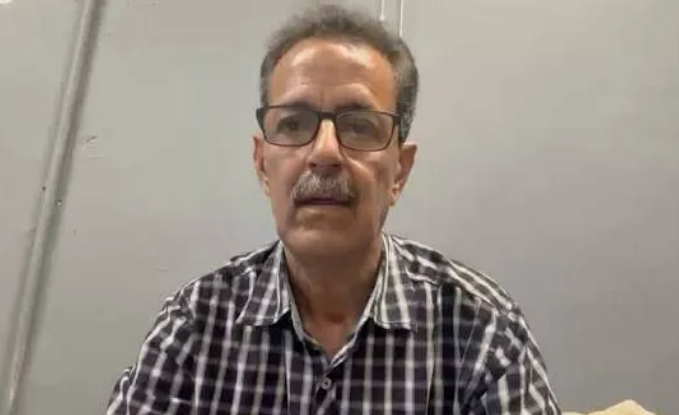
The organisation’s demand follows the arrest of Kashmiri Pandit activist Rakesh Handoo from Faridabad, Haryana, in connection with a case involving the alleged circulation of digital material containing threats against community members. KPSS president Sanjay K. Tickoo has maintained that allegations must not be treated as established facts before investigators complete a fair examination of the complaint and the available evidence.
The organisation has also made clear that demanding due process for an accused person does not mean dismissing the security concerns of employees who have reportedly been named in threatening online material. Its position places two issues at the centre of the controversy: the need for a credible investigation into the alleged circulation of threat-related content and the responsibility of authorities to protect members of the minority community.
KPSS warns against media trials and premature conclusions
In its statement, KPSS expressed concern that unverified reports and social media campaigns could influence public perception before the investigation reaches a conclusion. It said such narratives risk damaging reputations, deepening divisions within the community and diverting attention from the wider security questions involved.
Tickoo argued that the case should not become a contest of competing personal allegations or a public campaign centred on one individual. The organisation wants investigators to examine the original complaint, the digital material in question, the circumstances in which it was circulated and any evidence that may establish the nature and extent of the alleged activity.
The distinction is important. An arrest and the registration of a criminal case do not, by themselves, establish guilt. Equally, the existence of a complaint does not make the security concerns raised by the complainant or other employees insignificant.
KPSS has therefore urged the media to distinguish allegations from verified findings and allow the investigative process to establish the facts.
What police have said about the case
According to a report by United News of India, police registered the case on September 17 following a complaint by Rohit Raina, a Kashmiri migrant employee working under the Prime Minister’s Rehabilitation Package.
The complaint alleged that Handoo had manipulated and repeatedly circulated on X, formerly Twitter, threat-related material purportedly issued in the name of the Soldier of Resistance/United Liberation Council. The complaint further alleged that identifying details in the material had been altered to project Raina as the intended target.
UNI reported that police had seized eight social media posts and relevant documentary evidence, recorded witness statements and obtained call-detail records. Handoo was arrested on October 17 after allegedly failing to join the investigation despite three notices issued under Section 35(3) of the Bharatiya Nagarik Suraksha Sanhita. Two mobile phones were also seized, while details of the X account were obtained for technical examination.
A police officer told UNI that offences under Sections 66F and 84C of the Information Technology Act had been found prima facie established during the investigation. Forensic Science Laboratory and technical analysis reports were still awaited, and further investigation was underway.
These are reported investigative claims, not a judicial finding. The forensic examination and the court proceedings will be important in determining the authenticity, origin and circulation of the material, as well as the specific role attributed to the accused.
Security of PM Package employees remains a wider concern
The controversy has emerged against a backdrop of repeated anxiety among Kashmiri Pandit employees serving in the Valley under the Prime Minister’s employment and rehabilitation package.
In August, purported online threat posters attributed to an outfit calling itself the United Liberation Council circulated on social media. Reports said some of the material contained names and personal details, including addresses, vehicle registration numbers and phone numbers of employees.
The All PM Package Employees Forum subsequently sought enhanced security from the Jammu and Kashmir administration, citing concerns over the circulation of sensitive personal information. The Indian Express reported at the time that the authenticity of the August 23 poster had not been verified by security agencies.
The publication of such information, where confirmed, raises questions beyond the content of the threats themselves. Authorities need to establish whether personal details were obtained from publicly accessible sources, circulated through unauthorised channels or exposed through a breach of confidential records. Any evidence of a data leak would require a separate and thorough investigation.
For employees whose details may have been circulated, the immediate concern is personal safety, including security at workplaces, residential locations and during daily travel.
KPSS says responsibility cannot end with registering a complaint
KPSS has argued that the authorities’ responsibility extends beyond registering a case or investigating the actions of one accused person.
The organisation wants police and administrative agencies to assess the credibility of threats, examine available intelligence, identify individuals or networks responsible for genuine intimidation and review whether existing protection arrangements are adequate.
It has also questioned whether institutional shortcomings in threat assessment, intelligence coordination or security arrangements have contributed to vulnerabilities. Such questions, it says, must be examined on the basis of evidence rather than political or personal narratives.
The demand reflects a broader concern: the security of a vulnerable community cannot be measured solely by the number of complaints registered or arrests made. It also depends on whether threats are detected in time, whether personal information is protected and whether those at risk receive appropriate safeguards.
A difficult balance between security and due process
The case has brought into focus the need to protect two principles that should not be placed in opposition: the right of employees to live and work without intimidation, and the right of an accused person to a fair investigation and due process.
A credible inquiry must establish whether the alleged threat material was genuine, whether it was altered, who circulated it and with what intent. It must also examine the original source of the material and whether other individuals or networks were involved.
At the same time, the administration must independently assess the security requirements of PM Package employees and other members of the community who may face credible threats. Protective measures should not have to wait for the conclusion of a criminal trial where an immediate risk is identified.
KPSS has also appealed to representative Kashmiri Pandit organisations to rise above factional considerations and press for accountability from the authorities. It says the issue should not be reduced to defending or blaming one person, but should remain focused on establishing the truth and addressing genuine security concerns.
The larger question: Can institutions restore confidence?
For Kashmiri Pandit employees working in the Valley, the latest controversy is part of a continuing debate over security, rehabilitation and the ability to live and work without fear. Repeated reports of threatening material and the circulation of personal details have kept these concerns alive.
The administration faces the task of ensuring that complaints are investigated professionally, digital evidence is examined scientifically and credible threats are met with timely protection. It must also communicate verified findings responsibly, without allowing speculation to shape public understanding.
The KPSS demand for an impartial inquiry is ultimately a call for institutional accountability. The investigation into Handoo’s arrest must establish the facts through evidence and legal procedure. Separately, the authorities must demonstrate that threats against Kashmiri Pandit employees are being taken seriously and that security arrangements are based on a credible assessment of risk.
For the community, confidence will depend not on public statements or competing claims, but on transparent investigations, effective protection and accountability wherever failures are established.