Iran and Houthi Red Sea Attacks Threaten Global Trade Routes
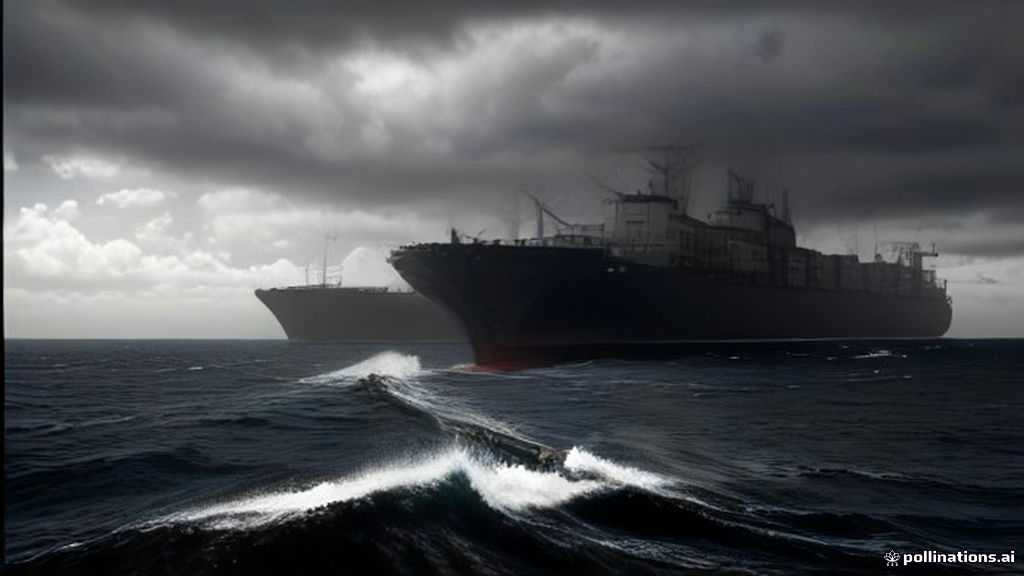
International shipping corridors face an unprecedented security crisis as persistent assaults by Houthi militants—backed extensively by Tehran—transform the waters from the Strait of Hormuz to the Bab el-Mandeb Strait into high-risk combat zones. As naval forces scramble to protect commercial vessels, the disruption of these vital maritime arteries threatens to choke global supply chains, spike energy costs, and test international alliances committed to keeping international trade free and open.
- Houthi militants have escalated drone and missile strikes against commercial shipping in the Red Sea and Gulf of Aden.
- Geopolitical intelligence links these operations directly to Iranian logistical and military support, aiming to pressure international stakeholders.
- Global shipping giants are rerouting cargo vessels around the Cape of Good Hope, adding weeks to transit times and inflating freight costs.
- International coalitions, led by Western and regional partners, have mobilized defensive naval operations to protect vital energy and commerce routes.
- Economic fallout risks reigniting inflationary pressures worldwide if maritime choke points remain compromised.
Historical Context & Background
The strategic waterway connecting the Indian Ocean to the Mediterranean Sea via the Red Sea and the Suez Canal handles roughly 12 percent of global trade and nearly 30 percent of global container volume. For decades, this corridor has remained a cornerstone of international commerce. However, the ongoing regional friction involving Iran, its proxy networks, and neighboring states has weaponized geography. The Houthis, who control significant territory in Yemen, have systematically expanded their offensive capabilities, shifting from localized insurgency tactics to anti-ship ballistic missiles and unmanned surface vessels capable of targeting multi-ton cargo carriers.
At the same time, the Strait of Hormuz—through which a massive share of the world’s petroleum passes daily—remains under constant shadow from Iranian naval maneuvers and rhetoric. Analysts note that Tehran’s strategy relies on keeping pressure on Western economies and regional adversaries by introducing continuous volatility to these choke points without triggering a direct, full-scale military conflict.
Administrative Decisions & Ground Realities
On the ground and at sea, the operational reality for commercial fleets has transformed drastically. Major shipping lines including Maersk, Hapag-Lloyd, and MSC have repeatedly suspended voyages through the Red Sea, opting instead for the vastly longer African circumnavigation route via the Cape of Good Hope. This administrative decision, while prioritizing crew safety, has immediate operational consequences: extended voyage durations of 10 to 14 days, severe equipment shortages, and a sharp spike in maritime insurance premiums.
Governments and defense ministries have responded by deploying multinational naval task forces, such as Operation Prosperity Guardian, designed to intercept incoming projectiles and escort merchant vessels. Yet, military commanders on the ground emphasize that defensive postures alone cannot eliminate the threat originating from inland launch sites and weapons depots sustained by Iranian supply lines.
Local Impact & Community Perspectives
While the macroscopic focus remains on global supply chains, the local impact on regional coastal communities, commercial fishermen, and port workers is profound. In Red Sea ports and surrounding coastal zones, economic activity has slowed down as insurance rates skyrocket and vessel calls become unpredictable. Local fishermen report heightened naval patrols and restricted access zones, severely impacting their livelihoods. Meanwhile, citizens across importing nations bear the brunt of rising retail prices driven by the surging cost of maritime logistics and energy procurement.
Strategic & Socio-Economic Ramifications
The economic stakes of the ongoing maritime crisis extend far beyond the Middle East. Energy markets remain hyper-sensitive to disruptions in the Persian Gulf and the Red Sea. Any credible threat to tanker traffic through Hormuz or the Bab el-Mandeb instantly sends crude oil futures climbing. Furthermore, delays in manufacturing components reaching European and North American markets threaten to stall industrial production schedules, proving that modern supply chains are exceptionally vulnerable to regional geopolitical flashpoints.
Chronological Timeline & Data Breakdown
- Late 2023: Houthi forces begin targeted drone and missile attacks against commercial vessels transiting the southern Red Sea.
- Early 2024: Major global shipping lines halt Red Sea transits, redirecting fleets around the Cape of Good Hope.
- Mid 2024: International naval coalitions intercept hundreds of incoming airborne threats, establishing defensive corridors.
- Ongoing: Insurance costs for Middle Eastern maritime routes stabilize at historic highs while diplomatic efforts intensify.
The Road Ahead: Future Milestones
Addressing the security deficit in the Red Sea and the Persian Gulf requires a dual-track strategy combining robust maritime defense with aggressive diplomatic and economic pressure on Tehran. Intelligence sharing regarding arms transfers, targeted sanctions against Houthi financial networks, and enhanced naval cooperation between regional allies and global powers will dictate whether international shipping lanes can be fully secured in the near term.
Frequently Asked Questions (FAQ)
Why are Houthi militants targeting ships in the Red Sea?
Houthi leadership has explicitly framed its maritime campaign as a response to the ongoing conflict in Gaza, targeting vessels linked to Israel or Western nations. However, intelligence assessments confirm that these operations serve broader Iranian geopolitical objectives in the region.
How does this crisis affect global consumer prices?
When cargo ships must bypass the Suez Canal and travel around Africa, transit times increase significantly. This burns more fuel and ties up vessels longer, driving up shipping rates. Businesses pass these increased transportation costs down to consumers, raising the prices of imported goods.
What is the role of international naval coalitions?
Multinational task forces deployed to the region patrol critical shipping lanes, provide real-time threat warnings, and actively intercept anti-ship missiles and explosive-laden drones launched by militant groups to ensure the safety of merchant crews.