Delhi Police Initiates BNSS Proceedings Against CJP Founder Abhijeet Dipke
By: News Desk | 17 October 2025
New Delhi: Cockroach Janta Party (CJP) founder Abhijeet Dipke is expected to be produced before a Special Executive Magistrate (SEM) at Mandir Marg Police Station around noon on Saturday, following his preventive detention ahead of the party’s “Lehra Do Tiranga” protest in central Delhi.
Delhi Police has initiated proceedings against Dipke under Sections 126 and 170 of the Bharatiya Nagarik Suraksha Sanhita (BNSS), citing preventive action linked to concerns over a possible breach of peace. The development follows Friday’s high-security operation around Connaught Place, where police detained Dipke and several other protesters ahead of the planned march.
The detention has intensified a political dispute over the handling of demonstrations demanding the resignation of Chief Election Commissioner Gyanesh Kumar and raising questions about the Election Commission’s Special Intensive Revision (SIR) of electoral rolls.
Why Was Abhijeet Dipke Detained?
Dipke was detained on Friday, October 16, shortly before the scheduled “Lehra Do Tiranga” march at Central Park in Connaught Place. The protest had been called by the CJP after two of its leaders, Saurav Das and Ashutosh Ranka, were sent to judicial custody in a separate case linked to their alleged entry into the de-notified Jantar Mantar protest site.
Delhi Police had served notices restricting Dipke from holding the proposed demonstration at Connaught Place. Authorities cited restrictions on gatherings and the need to maintain public order in a busy commercial district.
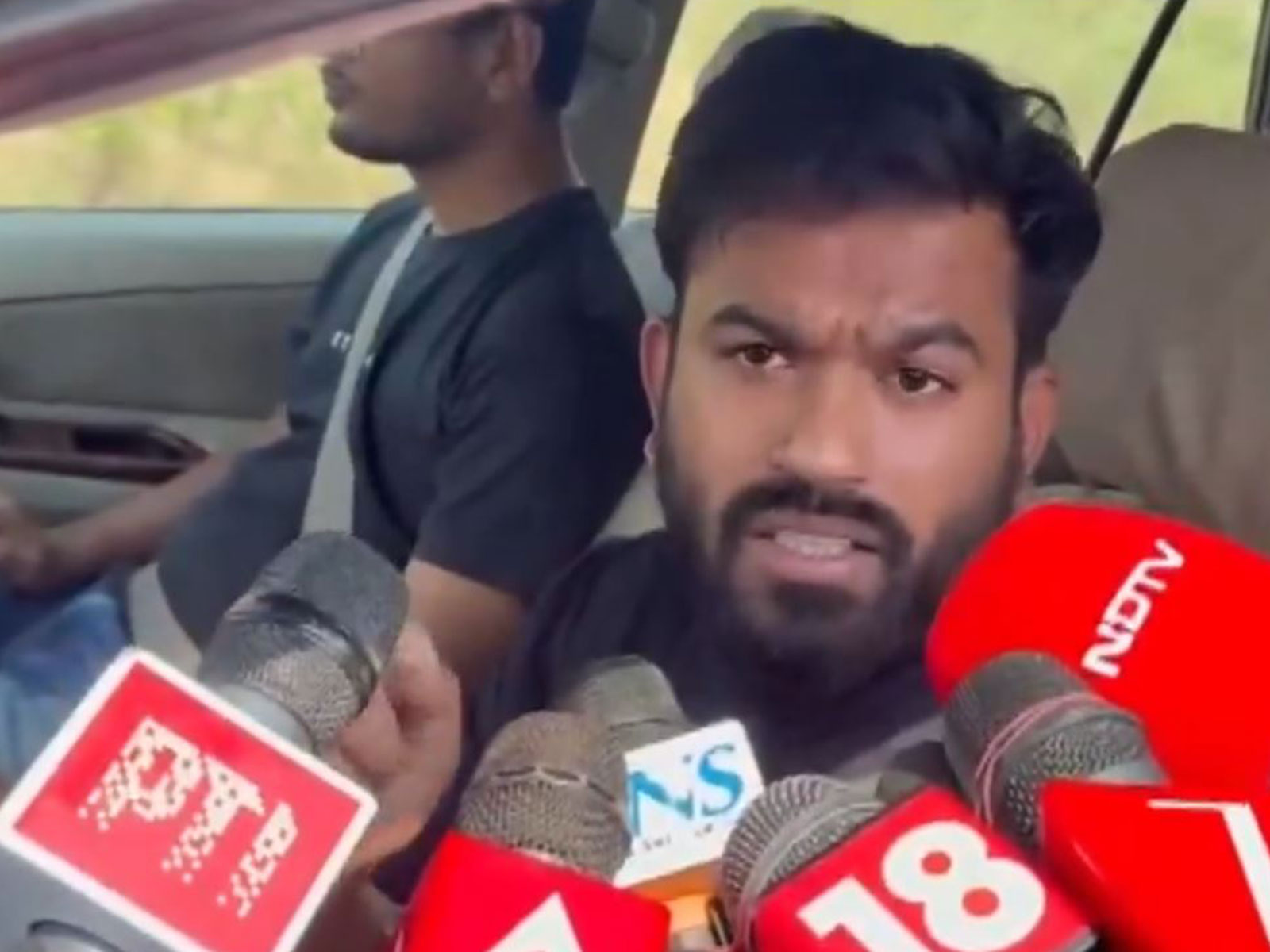
Police subsequently detained him as he prepared to leave his accommodation. Dipke questioned the action, arguing that he was alone and asking officers to explain the alleged violation. Police, meanwhile, maintained that preventive measures were necessary in view of the planned gathering and the possibility of a breach of peace.
The dispute centres on the difference between the right to assemble peacefully and the restrictions authorities can impose to manage public gatherings. The legality and application of the preventive action remain matters to be assessed through the relevant proceedings.
What Do Sections 126 and 170 of the BNSS Mean?
The police action has drawn attention to two provisions of the Bharatiya Nagarik Suraksha Sanhita, the criminal procedure law that replaced the Code of Criminal Procedure.
Section 126 provides for proceedings requiring a person to show cause why they should not be ordered to execute a bond for keeping the peace in specified circumstances. Section 170 concerns preventive arrest where a police officer has the requisite knowledge of a design to commit a cognizable offence and believes the offence cannot otherwise be prevented.
These provisions serve different preventive purposes. Their invocation does not, by itself, establish that a person has committed a criminal offence. The specific grounds for the action, the procedures followed and the directions issued by the competent authority are important to understanding the case.
Dipke’s expected appearance before the Special Executive Magistrate is therefore a key next step. The proceedings should help clarify the basis and status of the preventive action, although the precise outcome will depend on the authority’s consideration of the matter.
CJP Alleges Denial of Access to Legal Counsel
The CJP has accused authorities of detaining its founder without adequate access to legal counsel and said party representatives initially struggled to establish his whereabouts.
The party’s concerns gained attention after Dipke was taken away from the area in a police vehicle and his location was not immediately clear to his associates. CJP representatives described the episode as an attempt to obstruct a peaceful political protest and vowed to continue their campaign.
These claims reflect the party’s account of events and should be distinguished from the police’s stated public-order rationale. The available reports do not establish a final finding that Dipke was unlawfully detained or denied his legal rights.
Questions about communication with family and lawyers, access to legal assistance and compliance with applicable procedures are nevertheless central to evaluating any preventive detention. The SEM proceedings and any subsequent legal challenge may provide further clarity.
Neha Bora Released After Overnight Detention
The developments also involved Neha Bora, president of the All India Students’ Association (AISA), who was detained ahead of Friday’s protest.
Bora was released early on Saturday after the completion of formalities under Section 65 of the Delhi Police Act, according to reports. Her release came as the CJP continued to raise concerns about Dipke’s detention and sought information about his status.
The detention of student activists and other demonstrators has widened the controversy beyond the CJP itself, drawing attention from political parties and civil society groups that have questioned the police response to the protests.
Tiranga March Went Ahead Amid Heavy Security
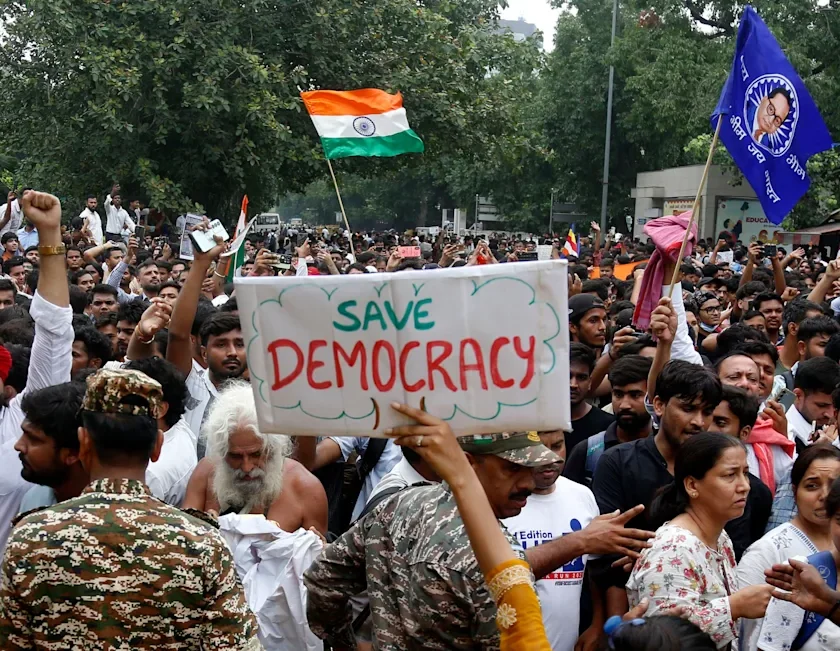
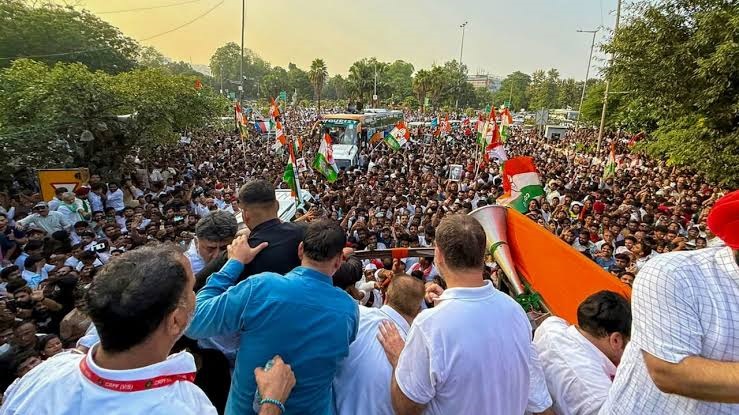
The “Lehra Do Tiranga” march was announced for Friday evening at Central Park in Connaught Place. The call urged supporters to carry the national flag and demonstrate against the detention of CJP leaders, while also pressing for accountability over the SIR exercise and demanding the resignation of Chief Election Commissioner Gyanesh Kumar.
Police deployed a substantial security force across central Delhi, including areas around Connaught Place, Jantar Mantar and Mandi House. Central Park was closed to the public for a period, and police moved to prevent the gathering from developing into an unauthorised demonstration at the proposed venue.
Several protesters were detained during the day as police sought to disperse groups in and around Connaught Place. Reports also described minor scuffles during the operation.
The scale of the deployment underlined the authorities’ concern about crowd management in one of the capital’s busiest commercial districts. At the same time, the restrictions and detentions intensified criticism from those who argued that peaceful political expression should not be curtailed unnecessarily.
The Delhi High Court had earlier declined to stop the proposed march after hearing a plea seeking restrictions on the gathering, with police assurances about maintaining order forming part of the proceedings. That outcome should not be read as an unconditional exemption from other lawful restrictions or as a blanket authorisation to assemble at any location.
The Wider Political Dispute: CEC Resignation and Electoral Roll Revision
The confrontation comes amid a broader campaign by the CJP and allied groups against the SIR exercise and the leadership of the Election Commission of India.
The protesters have alleged irregularities in electoral-roll revision, including concerns about the deletion or modification of voter entries. They have demanded greater transparency and accountability and called for Gyanesh Kumar’s resignation.
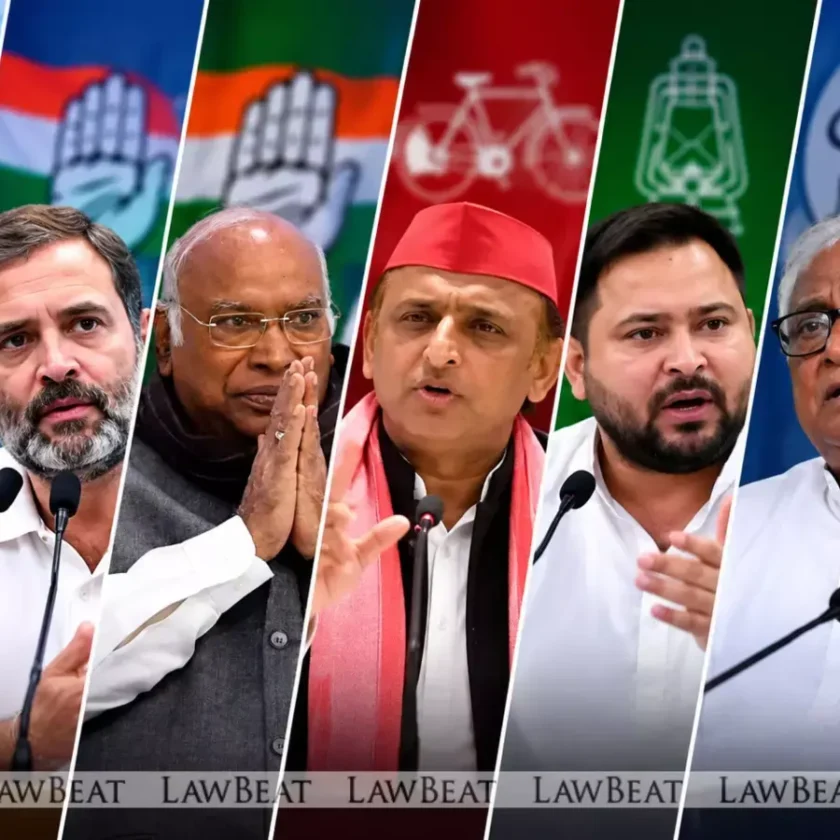
The Election Commission’s electoral-roll revision process has become a politically contested issue, with opposition parties questioning its implementation and the poll body defending its procedures. Allegations of wrongful deletions or partisan intent require examination against official records and evidence; they should not be treated as established findings merely because they have been raised during protests.
The distinction matters because electoral rolls determine who can participate in elections. Accurate records, accessible correction mechanisms and clear public information are important to maintaining voter confidence, while political claims about the process require verification through data and the appropriate legal or administrative channels.
Earlier Jantar Mantar Case Adds to Tensions
Dipke’s detention follows the earlier arrest of CJP leaders Saurav Das and Ashutosh Ranka, who were remanded to judicial custody after being accused of entering an area at Jantar Mantar that had been removed from the list of designated protest sites.
The case triggered a new round of demonstrations and helped prompt the call for the Tiranga march. CJP has portrayed the actions against its leaders as disproportionate and politically motivated, while police have pointed to restrictions and public-order concerns.
The two matters are related politically but remain distinct in legal terms. The allegations against Das and Ranka, the preventive proceedings involving Dipke and the police action during Friday’s march must each be assessed on their own facts and procedural records.
What Happens Next?
Dipke’s expected production before the SEM is the immediate development to watch. The proceedings may clarify the grounds on which preventive action was initiated and what further directions, if any, are issued.
Other questions remain unresolved: whether the CJP will pursue a legal challenge, whether authorities will provide further details about the detention, and how the party and its supporters intend to continue their campaign.
The episode has also renewed debate over how authorities balance public order with the constitutional right to peaceful assembly. Police have responsibilities to prevent violence and manage crowds, particularly in heavily visited public areas. But restrictions and preventive powers must also be exercised within the law and remain open to appropriate scrutiny.
For now, the expected SEM appearance marks the next procedural stage in a dispute that has moved beyond one planned march. The outcome may shape the immediate course of the CJP’s campaign, while the wider argument over electoral-roll revision, protest rights and police powers is likely to continue.