Historic Face-to-Face Meeting Breaks Years of Diplomatic Deadlock
By: Javid Amin | 21 June 2026
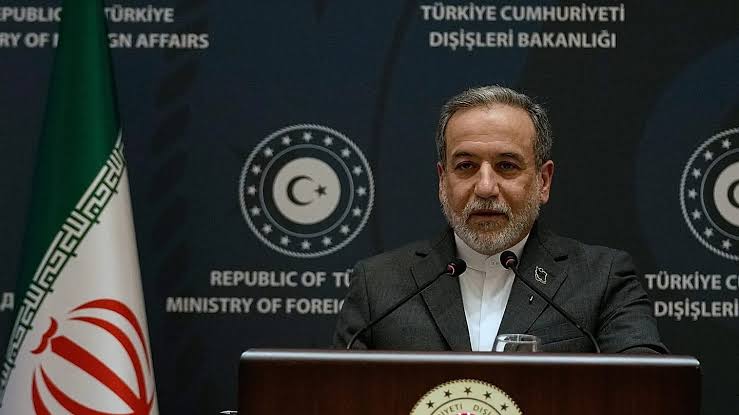
In a development that could reshape the trajectory of one of the world’s most dangerous geopolitical confrontations, senior officials from the United States and Iran have held direct face-to-face talks in Muscat, Oman, marking the first publicly acknowledged high-level meeting between the two countries since 2018.
The discussions come after months of escalating military tensions across the Gulf region, including airstrikes, retaliatory attacks, maritime threats and growing fears of a wider regional war involving multiple actors.
While no major breakthrough was announced immediately after the meeting, the very fact that American and Iranian officials agreed to sit across the same table is being viewed by diplomats and analysts as a significant diplomatic moment.
For nearly eight years, communication between Washington and Tehran had largely been conducted through intermediaries, with Oman, Qatar and several European nations often acting as go-betweens.
The Muscat meeting signals a recognition on both sides that continued military escalation carries risks that neither country can afford indefinitely.
Why the Meeting Matters
First Direct Engagement Since Relations Reached New Lows
The significance of the talks extends beyond the specific issues discussed.
Since the United States withdrew from the 2015 nuclear agreement during President Donald Trump’s first administration, relations between Washington and Tehran have remained deeply strained.
The period witnessed:
- Renewed economic sanctions.
- Attacks on shipping routes.
- Regional proxy conflicts.
- Military confrontations.
- Diplomatic isolation.
- Repeated threats of wider war.
Although indirect negotiations occurred intermittently through European and regional mediators, direct contact between senior officials remained rare.
The Muscat meeting therefore represents a notable departure from years of diplomatic distance.
Nuclear Programme Remains the Central Issue
Core Dispute Continues to Drive Regional Tensions
At the centre of the discussions was Iran’s nuclear programme, which remains the primary source of disagreement between the two countries.
Washington continues to seek stronger limitations on:
- Uranium enrichment levels.
- Nuclear infrastructure expansion.
- Research and development activities.
- Long-term nuclear capabilities.
American officials argue that restrictions are necessary to prevent the emergence of a potential military nuclear capability.
Iran, meanwhile, maintains that its programme is intended for peaceful purposes and insists on preserving what it describes as its sovereign right to civilian nuclear development.
The challenge facing negotiators is finding a framework that addresses international security concerns while allowing Iran to retain certain nuclear activities.
This issue remains the most difficult obstacle to any lasting agreement.
Strait of Hormuz Crisis Dominates Security Discussions
Global Energy Markets Closely Watching Developments
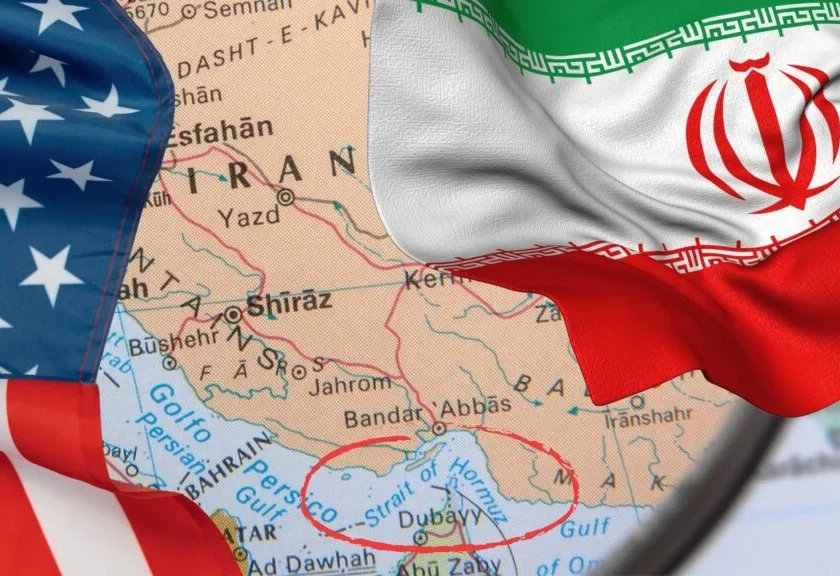
Another major focus of the talks was the security situation surrounding the Strait of Hormuz.
The narrow waterway serves as one of the world’s most important energy corridors, linking Gulf oil and gas producers to global markets.
Recent tensions have raised concerns about:
- Maritime security.
- Energy exports.
- Commercial shipping.
- Global fuel prices.
- International trade flows.
Iran has repeatedly warned that continued military pressure could affect navigation through the strategic route.
Even temporary disruptions in Hormuz have historically resulted in sharp increases in oil prices and heightened volatility across financial markets.
For major energy importers such as India, China, Japan and European economies, maintaining stability in the waterway remains a critical priority.
Oman Once Again Plays the Role of Trusted Mediator
Neutral Ground Helps Open Diplomatic Channels
Oman has long maintained a unique position in Middle Eastern diplomacy.
Unlike many regional powers, Muscat has traditionally preserved working relationships with rival states across the region, enabling it to serve as a trusted intermediary during periods of heightened tension.
The choice of Oman as the venue was therefore significant.
The Gulf nation has previously facilitated:
- US-Iran backchannel diplomacy.
- Prisoner exchanges.
- Nuclear negotiations.
- Regional de-escalation efforts.
Its reputation for neutrality made it an acceptable location for both sides at a moment when trust remains extremely limited.
Domestic Political Challenges Remain Significant
Hardliners in Both Countries Could Resist Compromise
While the talks represent progress, both governments face substantial domestic constraints.
In Washington, political opponents continue to debate how much leverage should be offered to Tehran and whether sanctions relief should be considered.
In Iran, conservative factions remain deeply sceptical of American intentions and warn against making excessive concessions.
These internal pressures mean that even modest diplomatic progress could encounter resistance.
Negotiators must therefore balance international objectives with domestic political realities.
The result is a diplomatic process that remains highly vulnerable to setbacks.
Regional Conflicts Continue to Cast a Shadow
Lebanon and Gaza Could Influence Future Talks
Beyond the nuclear issue, broader regional developments continue to affect diplomatic calculations.
Ongoing instability involving:
- Lebanon.
- Gaza.
- Syria.
- Iraq.
- Gulf maritime routes.
creates additional complications for negotiators.
Any significant military escalation on one front could quickly derail progress elsewhere.
Analysts note that successful diplomacy between Washington and Tehran will likely require broader regional calm rather than isolated agreements focused solely on nuclear issues.
Economic Stakes Are Enormous
Global Markets Seeking Signs of Stability
The outcome of the talks has implications extending far beyond the Middle East.
A successful diplomatic process could contribute to:
- Lower energy prices.
- Reduced shipping costs.
- Improved investor confidence.
- Greater regional stability.
- Enhanced global economic predictability.
Conversely, failure could reignite fears of military confrontation and trigger renewed volatility in commodity markets.
Given the central role of Gulf energy exports in the world economy, developments between the United States and Iran continue to attract global attention.
What Comes Next?
Diplomacy Enters a Critical Phase
The Muscat meeting is widely viewed as an opening step rather than a comprehensive negotiation.
Future rounds of discussions are expected to focus on:
Nuclear Restrictions
Detailed proposals regarding uranium enrichment and monitoring.
Maritime Security
Ensuring uninterrupted shipping through the Strait of Hormuz.
Regional De-escalation
Reducing tensions across multiple conflict zones.
Confidence-Building Measures
Creating mechanisms to prevent accidental military escalation.
Whether these efforts succeed will depend largely on the willingness of both sides to translate dialogue into concrete commitments.
Conclusion: A Small Diplomatic Opening With Potentially Major Consequences
The first direct US-Iran talks since 2018 represent one of the most significant diplomatic developments in the Middle East in recent years.
Although no immediate breakthrough emerged from the meeting in Muscat, the decision by both sides to engage directly suggests a growing recognition that military confrontation alone cannot resolve the complex disputes that have destabilised the region.
The discussions on Iran’s nuclear programme, regional security and the Strait of Hormuz offer a potential pathway toward de-escalation, but substantial challenges remain.
For now, the talks should be viewed as a cautious first step—a fragile opening that could either evolve into meaningful diplomacy or collapse under the weight of longstanding mistrust, domestic political pressures and continuing regional conflicts.
The coming weeks will reveal whether Muscat becomes the starting point of a new diplomatic chapter or merely a brief pause in a prolonged period of confrontation