Kashmir Divorce Crisis 2026: Rising Domestic Violence, Costly Weddings & Changing Social Norms
By: Javid Amin | 29 April 2026
A Silent Shift in the Valley’s Social Fabric
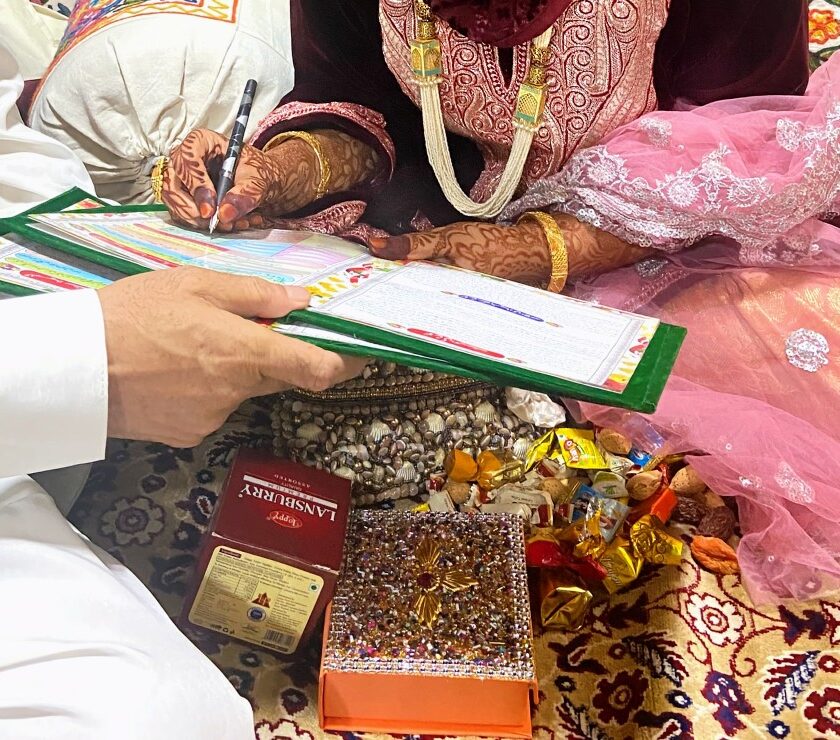
Kashmir is witnessing a profound transformation in its family structure. Marriages—once seen as enduring, community-supported institutions—are increasingly breaking under pressure.
Courts in Srinagar are reportedly seeing 3–5 divorce petitions daily, while domestic violence cases have more than doubled within a year. What was once rare is now becoming visible—and in some cases, normalized.
This is not a single-cause crisis. It is the result of overlapping social, economic, and psychological pressures reshaping relationships in the Valley.
The Crisis at a Glance
- Domestic violence cases: Jumped 121% (893 → 1,979 in one year)
- Daily divorce filings: 3–5 cases in Srinagar courts
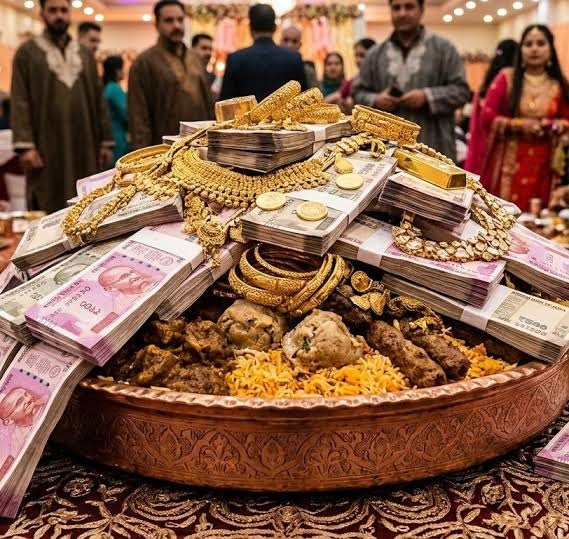
- Wedding expenses: ₹20–40 lakh on average
- Most affected group: Young couples (20–35 years)
Why Marriages Are Breaking in Kashmir
1. Domestic Violence & Emotional Neglect
At the core of many separations lies a troubling reality—rising abuse and emotional disconnect.
Physical violence is only one dimension. Increasingly, couples report:
- Lack of communication
- Emotional distance
- Psychological stress
Trust erodes quietly before legal separation becomes inevitable.
2. Economic Stress: The Hidden Pressure
Unemployment and financial instability are major stressors in Kashmiri households.
Adding to this burden is the extravagant wedding culture, where families spend ₹20–40 lakh—often beyond their means. This creates:
- Long-term debt
- Financial resentment
- Immediate post-marriage tension
Marriage begins not with stability, but with economic strain.
3. Family Interference & Ego Clashes
Kashmir’s traditionally close-knit family system can become a double-edged sword.
- In-laws often influence decisions
- Privacy of couples is limited
- Disputes escalate into family conflicts
At the same time, educated young couples increasingly seek equality and independence, leading to:
- Ego clashes
- Power struggles
- Breakdown in communication
4. From Joint to Nuclear: Loss of Support Systems
Earlier, joint families acted as informal mediation systems.
Now, with the shift toward nuclear households:
- Couples are more isolated
- Conflicts escalate without intervention
- Emotional resilience weakens
What was once a shared responsibility has become a private struggle.
5. Changing Social Norms
Kashmir is in transition:
- Rise in love marriages
- Greater emphasis on personal happiness
- Declining stigma around divorce
This shift has a dual effect:
- Positive: Women feel more empowered to leave abusive relationships
- Challenging: Lower tolerance for compromise in difficult marriages
6. The Burden of “Big Fat Weddings”
Weddings have transformed from simple community events into status-driven spectacles.
- Social pressure to “match standards”
- Competitive spending among families
- Financial exhaustion before marriage even begins
The result: celebration upfront, stress afterward.
7. Grey Divorce: A Quiet Trend
A less visible but growing phenomenon is “grey divorce”—separations among couples aged 50+.
Drivers include:
- Longer life expectancy
- Changing gender roles
- Desire for personal peace after decades of compromise
8. Social Media: Amplifier of Expectations
Social media is subtly but powerfully reshaping relationships:
- Unrealistic expectations of lifestyle and romance
- Constant comparison with others
- Increased suspicion and miscommunication
It often acts as a trigger rather than a root cause, intensifying existing issues.
The Broader Impact on Society
- Family structures weakening
- Mental health crises increasing
- Children caught in unstable environments
- Community cohesion under strain
This is no longer just a personal issue—it is a societal challenge.
What Needs to Be Done: A Practical Roadmap
1. Normalize Mental Health & Counseling
- Premarital counseling programs
- Accessible couple therapy services
- School-level emotional education
2. Legal Awareness & Faster Justice
- Strengthen family courts
- Faster protection for domestic violence victims
- Clear legal guidance for couples
3. Reform Wedding Culture
- Promote simple weddings (₹5 lakh benchmark)
- Community campaigns against lavish spending
- Religious and social leaders advocating moderation
4. Community-Based Support Systems
- Revive mohalla-level mediation groups
- Involve local leaders and NGOs
- Create safe spaces for couples to seek help
5. Redefine Marriage Values
- Shift focus from status to compatibility
- Encourage communication and emotional maturity
- Promote respect, consent, and equality
Community Awareness Campaign: Rebuilding Relationships
Campaign Goals
- Highlight root causes of marital breakdowns
- Reduce stigma around counseling
- Promote healthier, financially stable marriages
Key Strategies
- Social Media: Short videos, real stories
- Workshops: In collaboration with mosques, NGOs, colleges
- Education: Relationship skills in schools
- Advocacy: Push for simple weddings
Suggested Hashtags
#HealthyMarriage #SimpleWeddings #RespectAndConsent #DigitalKashmir #CommunitySupport
The Way Forward: Between Tradition and Transition
Kashmir is not “losing its values”—it is renegotiating them.
The challenge lies in balancing:
- Tradition with modern aspirations
- Family structure with individual dignity
- Social norms with emotional well-being
Conclusion: Saving Relationships Before They Collapse
Kashmiri marriages are not breaking because of one factor—but because of a complex collision of violence, financial pressure, social change, and emotional disconnect.
The solution is equally multi-layered:
- Counseling before crisis
- Simplicity over showmanship
- Respect over control
If addressed collectively—by families, communities, and institutions—the Valley can rebuild stronger, healthier relationships.
Otherwise, what is breaking today silently may become tomorrow’s defining social crisis.