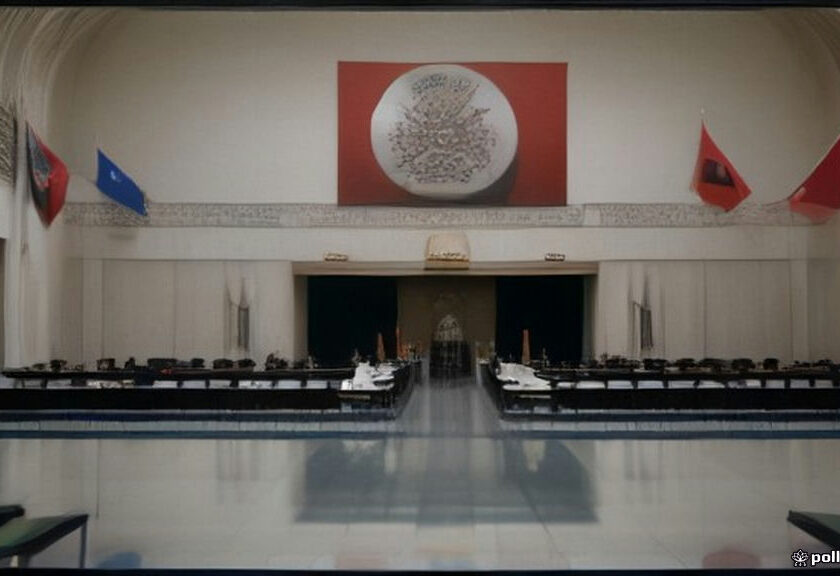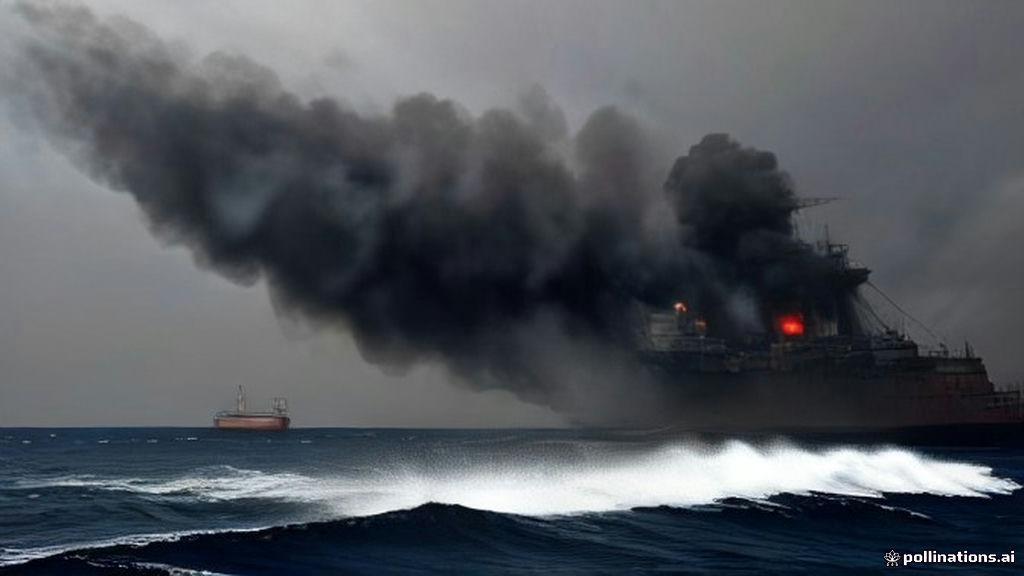
Geopolitical tensions across the Middle East have escalated sharply following a devastating explosion aboard a commercial oil tanker off the coast of Oman, which left several crew members unaccounted for and triggered urgent maritime security responses. This maritime incident coincides with renewed high-stakes warnings from Washington regarding Iran’s nuclear and regional ambitions, alongside unified condemnations from Gulf Cooperation Council members over hostile actions targeting regional stability.
Executive Summary & Key Takeaways:
- A massive blast struck an oil tanker off the coast of Oman, leaving crew members missing and prompting international search operations.
- US leadership issued stern warnings to Tehran, stating that time is running out to secure a comprehensive diplomatic agreement.
- Gulf states officially condemned hostile attacks directed at Bahrain and Kuwait, heightening regional security alert levels.
- Maritime trade routes through the Gulf of Oman and Strait of Hormuz face severe disruptions and heightened insurance premiums.
- Diplomatic channels remain active as international mediators scramble to de-escalate the multi-front crisis.
Historical Context & Background
The strategic waterways flanking the Arabian Peninsula have long served as critical arteries for global energy supply chains. For decades, the Strait of Hormuz and the Gulf of Oman have experienced periodic friction involving state actors, proxy networks, and commercial shipping. Previous spikes in regional confrontation have consistently demonstrated how fragile maritime security is in the region. The latest escalation builds upon months of mounting distrust, stalled diplomatic talks between Western powers and Tehran, and persistent low-level kinetic friction across the Levant and the Persian Gulf.
Administrative Decisions & Ground Realities
Following the massive explosion off the Omani coastline, maritime authorities and naval coalition forces launched immediate search and rescue operations to locate the missing crew. Initial investigations by regional port authorities and security analysts point toward an onboard kinetic event, though state actors continue to evaluate whether the blast originated from an external strike or internal mechanical failure. Concurrently, foreign ministries across Bahrain, Kuwait, and neighboring Arab states have issued coordinated diplomatic notes condemning what they categorize as hostile regional aggressions, reinforcing defense cooperation pacts to protect vital infrastructure.
Local Impact & Community Perspectives
For local fishing communities along the Omani coast and commercial mariners traversing these volatile trade lanes, the blast has instilled a palpable sense of anxiety. Shipping operators are reporting immediate route adjustments, while marine insurance underwriters have begun reassessing risk premiums for vessels entering the Arabian Sea and Gulf waters. Families of the missing crew members face an agonizing wait as multinational search vessels comb through debris fields, highlighting the human cost of escalating geopolitical maneuvering.
Strategic & Socio-Economic Ramifications
The convergence of a major maritime disaster and heightened rhetoric from Washington and Gulf capitals carries profound economic implications. Global energy markets reacted swiftly to the news of the tanker explosion, with crude oil futures experiencing volatility amid fears of supply chain bottlenecks. Analysts warn that sustained instability in these maritime chokepoints could drive up energy costs globally, placing additional pressure on post-inflationary economies worldwide.
Chronological Timeline & Data Breakdown
| Date / Phase | Incident / Event | Key Stakeholders | Operational Impact |
|---|---|---|---|
| Phase 1 | Maritime Explosion | Oman Port Authority, Commercial Crew | Search and rescue launched; crew members missing. |
| Phase 2 | Diplomatic Warning | Washington, Tehran | Strict timelines established for diplomatic compliance. |
| Phase 3 | Gulf Condemnation | Bahrain, Kuwait, GCC Members | Unified stance against regional hostile actions. |
The Road Ahead: Future Milestones
As international investigators piece together the forensics of the Omani tanker explosion, diplomatic efforts are pivoting toward crisis containment. Regional summits are being hastily organized to establish clearer rules of engagement and prevent miscalculations that could ignite a wider military conflict. The coming weeks will test the resilience of international deterrence frameworks and the willingness of all parties to pull back from the brink of open confrontation.
Frequently Asked Questions (FAQ)
What caused the explosion on the tanker off Oman?
Investigations are currently underway by maritime authorities and security experts to determine the exact cause of the blast, with both external strike and internal incident theories under review.
How have Gulf nations responded to the recent tensions?
Gulf Cooperation Council members have formally condemned hostile actions directed at Bahrain and Kuwait, calling for an immediate cessation of destabilizing activities in the region.
What are the implications for global energy markets?
The incident has heightened concerns regarding the security of key maritime shipping lanes like the Strait of Hormuz, leading to temporary oil price fluctuations and increased shipping insurance rates.