Saurav Das, Ashutosh Ranka and other Cockroach Janta Party functionaries face fresh police action as the row over protest restrictions and electoral-roll revisions intensifies
By: Javid Amin | 12 October 2026
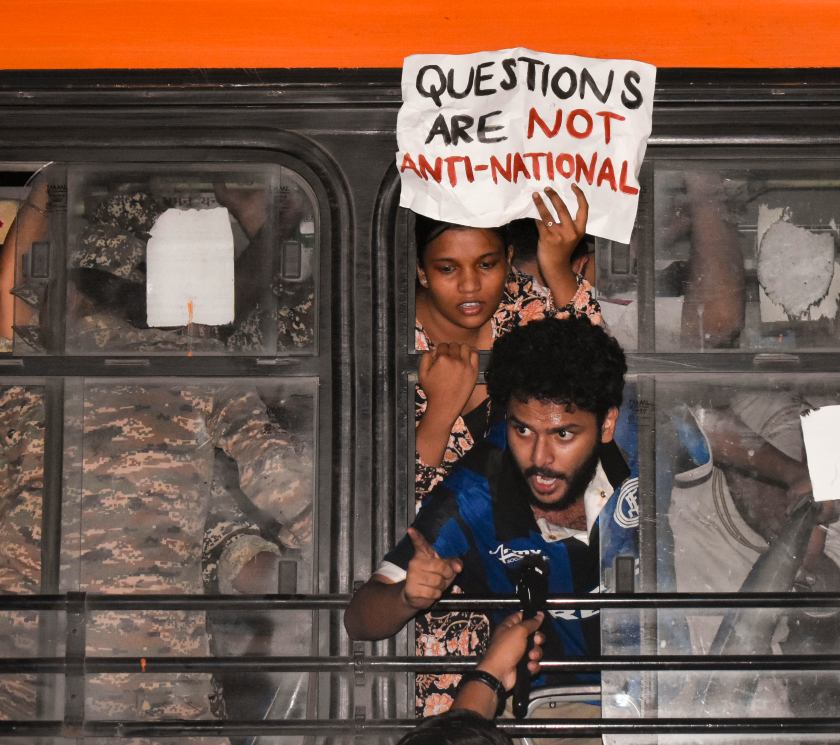
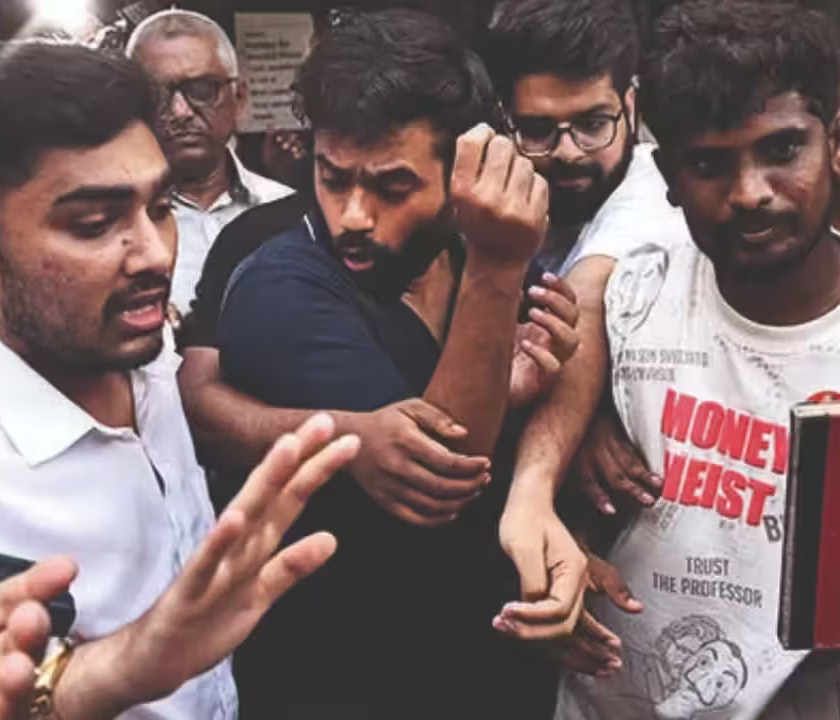
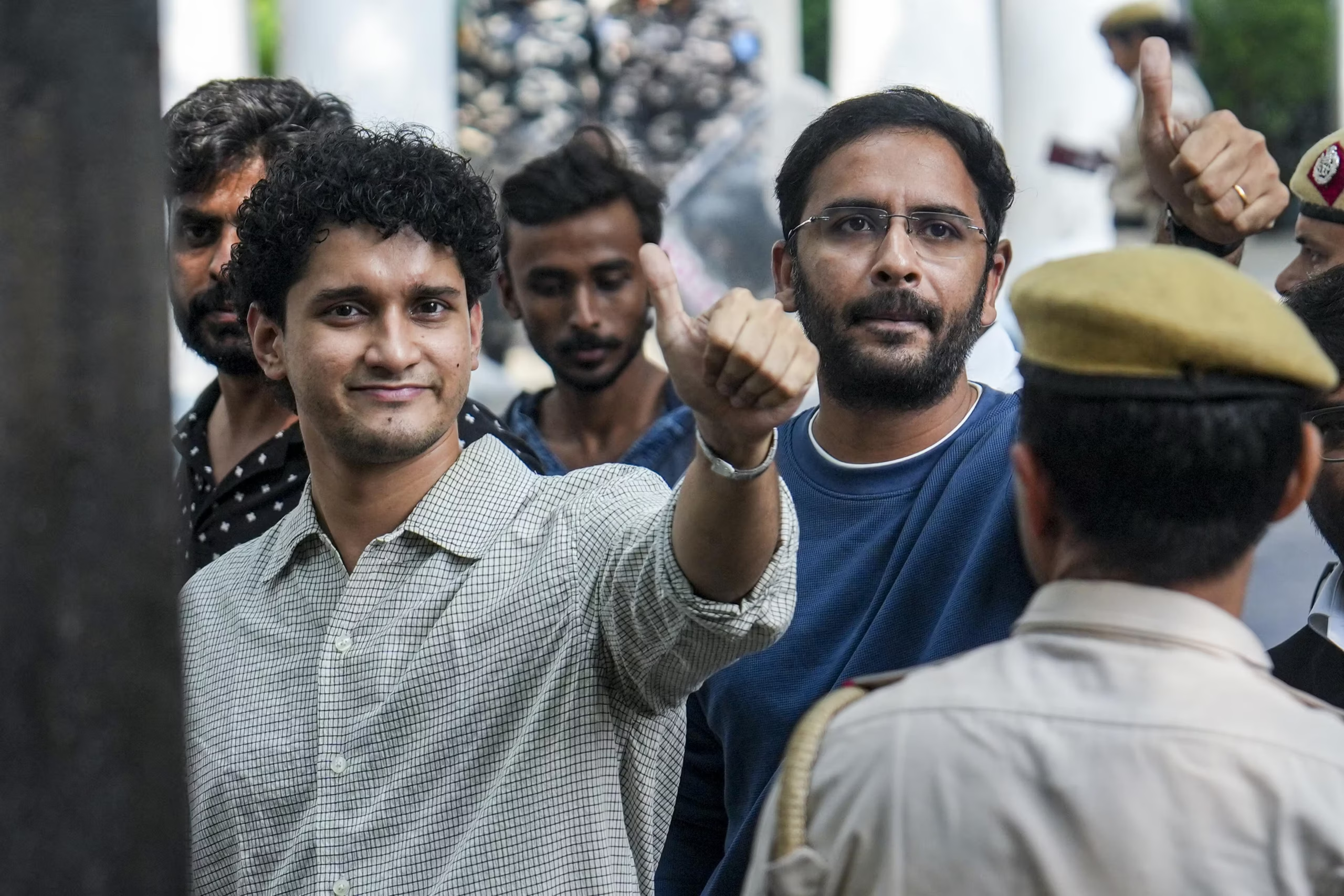
New Delhi: Cockroach Janta Party (CJP) leaders Saurav Das, Ashutosh Ranka and other party functionaries were detained by Delhi Police after attempting to reach or enter the Jantar Mantar protest area, according to reports, as the dispute over restrictions on demonstrations in the national capital continued to escalate.
The latest action follows a wider police operation surrounding the CJP’s proposed demonstration against Chief Election Commissioner Gyanesh Kumar. The party has demanded his resignation over alleged irregularities in the Special Intensive Revision (SIR) of electoral rolls, a contentious exercise that has triggered protests and political confrontation over voter registration, deletions and the transparency of the electoral process.
The detentions have intensified questions about access to designated protest venues in Delhi and the balance between maintaining public order and protecting the right to peaceful assembly.
Fresh Detentions Follow Earlier Police Action
The latest detentions came after CJP leaders attempted to reach Jantar Mantar despite restrictions surrounding the proposed demonstration. Reports said party functionaries, including Das, Ranka and Ajinkya Shinde, were taken into custody during efforts to enter or approach the protest area.
CJP founder Abhijeet Dipke shared information about the action on social media and criticised the police response. The party has maintained that its mobilisation is intended to challenge the Election Commission over the SIR process and demand accountability from its leadership.
The latest incident follows an earlier episode on October 10, when Dipke, Das and Ranka were detained by Delhi Police shortly after arriving at Indira Gandhi International Airport from Mumbai. The three had travelled to Delhi to participate in the proposed protest at Jantar Mantar.
According to reports published at the time, police personnel entered the aircraft after it landed and detained the leaders before they could proceed to the demonstration site. The incident drew attention because the action took place at the very start of their arrival in the capital.
The airport detentions and subsequent attempts to reach Jantar Mantar form part of a broader sequence of preventive police measures intended to stop the planned mobilisation from taking place.
Abhijeet Dipke Condemns the Crackdown
CJP founder Abhijeet Dipke has strongly criticised the police action, arguing that detentions and restrictions cannot eliminate public opposition to decisions made by constitutional institutions.
In social media posts, Dipke said other party functionaries had also been detained and challenged the authorities’ approach to managing the protest. His message, captured in the phrase “You cannot de-notify resistance,” has become a central part of the party’s response to restrictions on the demonstration.
The statement reflects CJP’s position that limiting access to a protest venue does not resolve the underlying concerns that prompted the mobilisation.
However, the party’s allegations about the motives behind the police operation remain political claims. The justification for the restrictions, the legal basis for individual detentions and the circumstances surrounding each incident must be assessed against official records and applicable law.
Why CJP Is Protesting Against the Election Commission
The immediate issue behind the proposed demonstration is the Special Intensive Revision of electoral rolls, an exercise intended to review and update voter lists.
CJP and other critics have raised concerns about alleged voter deletions and the transparency of the revision process. Their central argument is that any large-scale change to electoral rolls must be accompanied by clear procedures, accessible records and safeguards to ensure that eligible citizens are not wrongly excluded from voting.
The controversy has also drawn opposition parties into the dispute. Critics have called for greater disclosure of the basis for deletions, stronger verification mechanisms and accountability from the Election Commission.
The scale and implications of electoral-roll changes are important because voter registration is directly linked to the constitutional right to participate in elections, subject to the legal qualifications for enrolment. At the same time, not every deletion from a voter list necessarily represents wrongful disenfranchisement: electoral rolls must also account for deaths, duplicate entries, changes of residence and other legitimate reasons.
The key question is whether the revision process has followed the law, provided adequate opportunities for affected electors to respond and maintained reliable records that can be independently examined where necessary.
CJP’s demand for the resignation of Chief Election Commissioner Gyanesh Kumar is a political demand arising from these concerns. It should not be treated as proof of wrongdoing by the Election Commission, which must be judged on evidence, procedures and the applicable legal framework.
Delhi Police Restrictions and the Right to Protest
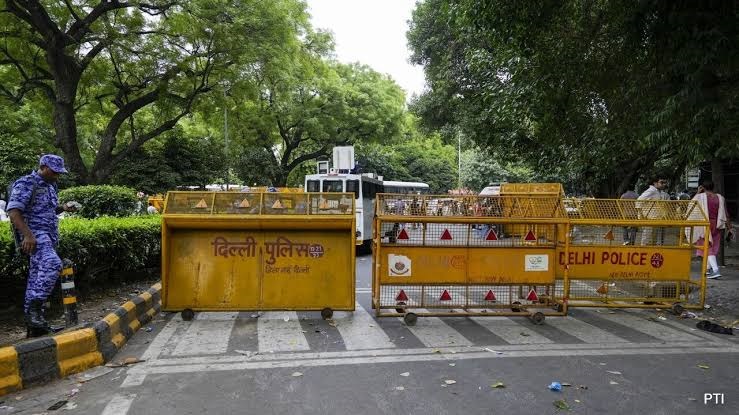
Delhi Police had denied permission for the proposed CJP demonstration, citing security and law-and-order concerns. Authorities deployed personnel and introduced restrictions to prevent protesters from assembling at the intended location.
The police response extended beyond the three party leaders. Reporting on October 10 described preventive detentions at multiple locations, including around routes leading to the protest venue, as well as heightened security arrangements across parts of the capital.
Officials have a responsibility to prevent violence, manage congestion and protect public safety, particularly in heavily secured areas of central Delhi. But preventive measures must also have a lawful basis and be proportionate to the risks they are intended to address.
The question is not simply whether authorities can regulate demonstrations. They can impose lawful conditions on the time, place and manner of public gatherings. The more difficult question is whether restrictions and detentions are necessary and proportionate in the circumstances, and whether peaceful protesters retain a meaningful opportunity to express their views.
Where people are detained, the legal basis for their custody, access to due process and the duration and conditions of detention are also relevant considerations.
Jantar Mantar and the Debate Over Protest Space
Jantar Mantar has historically served as one of Delhi’s best-known locations for demonstrations on political, social and public-interest issues. Its role as a protest venue has made it a focal point for campaigns seeking to draw attention to government decisions and institutional accountability.
The recent restrictions have renewed debate over where citizens can assemble to make their demands heard. Reports on October 12 said Delhi Police had removed Jantar Mantar from the list of designated protest sites, a decision that drew criticism from CJP figures.
The availability of alternative venues is important, but the practical question is whether those locations allow demonstrators to reach an audience, attract media attention and communicate their demands effectively. A designated site that is difficult to access or poorly suited to the purpose may not offer an equivalent opportunity for public expression.
Any changes to protest-site arrangements therefore require clear communication, consistent rules and a transparent explanation of the considerations behind them.
A Wider Political Confrontation Over Electoral Transparency
The CJP protest is unfolding amid a broader political dispute over the SIR process. Opposition leaders and civil-society voices have raised questions about voter-list changes, while the Election Commission’s procedures and decisions have come under increased public scrutiny.
The controversy has moved beyond party politics because electoral rolls determine who can participate in elections. Accurate lists are essential both to prevent ineligible entries and to protect eligible voters from exclusion.
For that reason, the debate requires more than competing claims from political leaders. Reliable information about the number and reasons for deletions, the process for notifying affected voters, the handling of objections and the availability of remedies is essential to public confidence.
Any allegation of systematic or improper deletion should be tested against documentary evidence and official explanations. Equally, authorities should ensure that legitimate concerns can be raised and examined without unnecessary obstacles.
The police response to the CJP mobilisation has added another dimension to the controversy: whether citizens can peacefully protest electoral decisions and demand institutional accountability without facing disproportionate restrictions.
What Happens Next?
The immediate questions concern the status of the detained CJP functionaries, the legal grounds for the police action and whether the party will attempt further demonstrations.
The broader dispute will depend on whether the concerns surrounding electoral-roll revisions receive clear, evidence-based answers. Greater transparency about the process, accessible mechanisms for voters to check their enrolment status and effective procedures for correcting errors would help address legitimate concerns.
For the authorities, the challenge is to maintain public order while applying restrictions lawfully and proportionately. For CJP and other critics, the challenge is to substantiate their allegations and pursue their demands through peaceful and lawful means.
The continuing confrontation shows how a dispute over electoral-roll revision can become a wider test of public confidence in institutions and the space available for democratic dissent.
Ultimately, neither detentions nor political slogans can settle questions about the accuracy of voter lists. That requires verifiable records, transparent procedures, due process and credible avenues through which affected citizens can seek correction.