US–Saudi Operations Against Iran-Backed Militias Expand Across Iraq and Syria as Nuclear Talks Stall
By: Javid Amin | 29 July 2026
US–Iran Conflict Enters a More Dangerous Phase
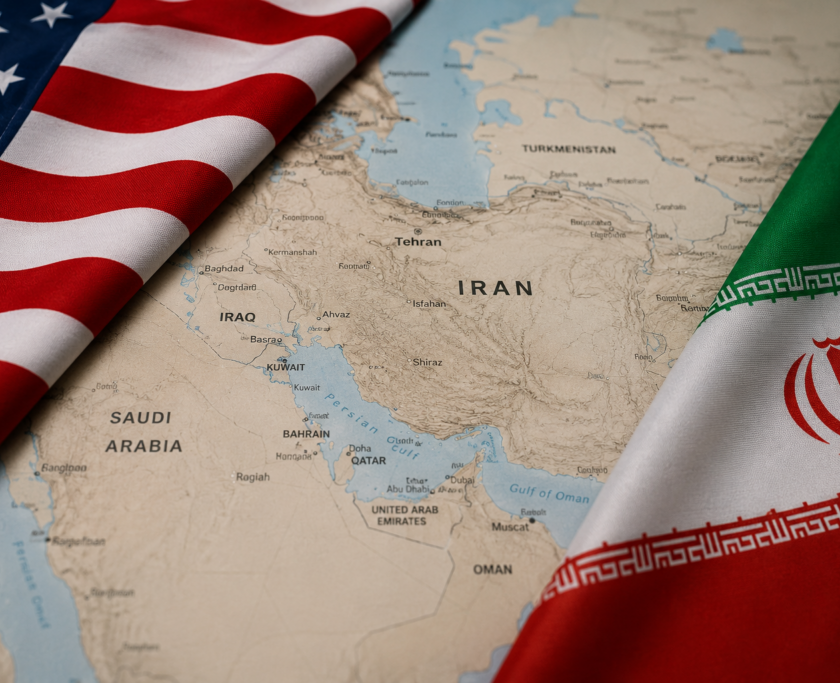
The confrontation between the United States and Iran is entering a new and potentially more volatile chapter, with Saudi Arabia emerging as an active military partner alongside Washington in operations targeting Iran-backed militia networks across Iraq and Syria.
The latest developments signal a shift from isolated military exchanges to a broader regional confrontation involving multiple countries, competing strategic interests and mounting diplomatic deadlock. As military operations intensify on the ground, hopes of reviving negotiations between Washington and Tehran continue to fade.
The widening conflict now extends beyond Iraq, touching Syria, the Gulf, and vital maritime routes through the Strait of Hormuz, increasing concerns over regional stability, global energy supplies and civilian security.
Saudi Arabia Takes a More Direct Military Role
According to available reports, US and Saudi forces have carried out coordinated precision strikes against logistics centres, weapons depots and operational facilities allegedly used by Iran-backed militias operating in eastern Iraq and parts of Syria.
American officials maintain that the targets were linked to armed groups responsible for repeated drone and rocket attacks against US military personnel and Saudi energy infrastructure.
The coordinated operations reflect deepening security cooperation between Washington and Riyadh, indicating that Saudi Arabia is assuming a more visible operational role in countering Iranian influence across the region.
Military planners argue that degrading militia infrastructure is necessary to prevent further attacks on coalition forces and critical Gulf infrastructure.
Wave of Drone and Rocket Attacks Triggers Military Response
The latest strikes follow a series of drone and rocket attacks reportedly carried out by Iran-aligned militias over recent days.
US military installations in Iraq have remained under heightened security, while Saudi Arabia has continued intercepting drones aimed at strategic facilities. Similar security alerts have reportedly been activated at American positions elsewhere in the Gulf.
Washington says the sustained attacks crossed a strategic threshold, making a military response unavoidable.
US officials have also warned that any additional attacks on American personnel or regional partners will invite further military action.
Iran Rejects US Claims and Denies Seeking Negotiations
While military tensions continue to rise, the diplomatic battle has become equally intense.
President Donald Trump and senior US officials have claimed that Iran is eager to resume negotiations after suffering mounting military pressure.
However, Iranian leaders have categorically rejected that narrative.
Tehran’s Deputy Foreign Minister has stated that Iran has made no request to restart talks, insisting that Washington is attempting to create the impression that its pressure campaign is succeeding.
Iranian officials argue that the United States is using public messaging as part of a broader psychological strategy aimed at influencing international opinion while increasing military pressure on Tehran.
The competing narratives illustrate just how wide the political gap between the two governments has become.
Proxy War Expands Across Iraq and Syria
Security analysts increasingly describe the latest developments as an expansion of the long-running proxy conflict between Washington and Tehran.
Instead of direct military confrontation, both countries continue to rely heavily on allied regional actors.
Iran-backed militias remain active across Iraq and Syria, while the United States has strengthened cooperation with regional partners to counter their influence.
The result is a growing cycle of military retaliation in which each strike risks provoking another.
With multiple armed groups operating across porous borders, containing the conflict has become significantly more difficult.
Strait of Hormuz Remains the World’s Most Sensitive Flashpoint
Beyond the battlefield, attention has once again shifted to the Strait of Hormuz, one of the world’s most strategically important maritime corridors.
Iran’s Revolutionary Guard has reiterated that it possesses the capability to control activity in the waterway and has warned that continued military pressure could affect international shipping.
The strait carries a significant share of global crude oil exports, making any disruption an immediate concern for international energy markets.
Shipping companies have reportedly increased security precautions, while insurers continue monitoring regional risks as military activity intensifies.
Iraq and Syria Face Growing Humanitarian and Political Pressure
The expanding confrontation is placing increasing pressure on Iraq and Syria.
Military operations inside Iraqi territory have renewed debates over national sovereignty, with Baghdad expressing concern over foreign military action occurring within its borders.
Border regions where militia facilities are located remain vulnerable to further escalation, raising fears of civilian displacement and infrastructure damage.
In Syria, continued instability creates additional security challenges for both local communities and international forces already operating in the country.
For both governments, balancing internal security with competing regional interests has become increasingly difficult.
Oil Markets React to Rising Regional Instability
Financial markets are closely tracking developments across the Gulf.
Concerns over possible disruptions to energy exports through the Strait of Hormuz have added fresh volatility to crude oil prices, with market sentiment driven largely by geopolitical uncertainty rather than supply fundamentals alone.
Energy analysts warn that any prolonged disruption to Gulf shipping lanes could significantly affect global fuel prices, transportation costs and inflation across energy-importing economies.
The longer military tensions persist, the greater the potential impact on international trade and economic stability.
On-Ground Situation
| Region | Latest Development | Impact |
|---|---|---|
| Iraq | US–Saudi strikes on Iran-backed militia positions | Casualties reported; Baghdad raises sovereignty concerns |
| Syria | Operations against militia infrastructure | Heightened military activity in border regions |
| Kuwait & Jordan | Drone and missile threats targeting US facilities | Air defence systems remain on high alert |
| Saudi Arabia | Increased protection around energy infrastructure | Continued threat from drones and missiles |
| Strait of Hormuz | Iran reiterates strategic control | Shipping delays and higher maritime security risks |
| Diplomatic Front | Negotiations remain stalled | No meaningful progress reported in more than two weeks |
Key Risks Facing the Region
Escalation Into a Wider Regional War
Every military exchange increases the possibility that additional regional actors could become directly involved, expanding the conflict beyond Iraq and Syria.
Diplomatic Deadlock
With Washington insisting that military pressure is working and Tehran rejecting those claims outright, prospects for renewed negotiations remain limited.
Energy Market Volatility
Persistent tensions surrounding the Strait of Hormuz continue to fuel concerns over global oil supplies, increasing uncertainty for international markets.
Humanitarian Consequences
Continued military operations risk further civilian casualties, displacement and damage to infrastructure in already fragile conflict zones.
Sovereignty Challenges
Iraq and Syria remain caught between competing regional powers, complicating efforts to maintain territorial control and political stability.
What Lies Ahead?
The US–Iran confrontation has evolved into a broader regional contest involving military operations, proxy forces, strategic waterways and competing diplomatic narratives.
Saudi Arabia’s more visible participation alongside the United States marks a notable shift in the regional security landscape, while Iran continues to rely on its network of allied militias and deterrence strategy.
At the same time, diplomacy appears to have reached another impasse. Public statements from both Washington and Tehran suggest neither side is prepared to make concessions, reducing hopes for an early return to negotiations.
Unless credible diplomatic efforts succeed in rebuilding dialogue, the Gulf region risks entering a prolonged period of military confrontation that could reshape the Middle East’s security environment, disrupt global energy markets and deepen humanitarian challenges across Iraq, Syria and beyond.