Srinagar Heatwave: Kashmir Records 31.7°C, Temperature 7.6°C Above Normal
By: Javid Amin | 09 May 2026
Srinagar Sizzles at 31.7°C as Kashmir Faces Unusual Heatwave
The Kashmir Valley, traditionally known for its cool summers and mild climate, is witnessing an alarming rise in temperatures this May. Srinagar recorded a scorching 31.7°C — a massive 7.6 degrees above the seasonal average — marking one of the hottest days of the season so far.
The sudden spike has left residents exhausted under blazing afternoon heat, while experts warn that Kashmir’s increasingly erratic climate patterns may no longer be isolated weather events but part of a larger environmental shift.
Temperature Soars Far Beyond Seasonal Norms
Normally, Srinagar’s daytime temperatures during May hover around 24°C. However, the latest reading pushed the city into unusually hot territory, more reminiscent of plains regions than the Himalayan Valley.
By afternoon, roads across Srinagar radiated heat as markets thinned out and people rushed to seek shade. Locals described the weather as “unbearably warm,” especially after the Valley recently experienced rain and snowfall earlier this month.
The abrupt swing from cold conditions to intense heat within days has intensified public anxiety about changing weather rhythms in Kashmir.
Residents Struggle Under Blazing Sun
The heatwave affected daily life across the city, with commuters, street vendors, laborers, and schoolchildren among the worst hit.
In several localities, residents also complained of:
- Reduced water availability
- Low pressure in supply lines
- Increased dependence on coolers and fans
- Long power cuts during peak afternoon hours
Markets witnessed lower daytime activity as many preferred staying indoors to avoid direct sun exposure.
Doctors Warn of Heat-Related Illnesses
Medical experts have urged people to remain cautious as temperatures continue to stay above normal.
Doctors advised residents to:
- Stay hydrated throughout the day
- Avoid outdoor exposure between noon and 4 PM
- Wear light cotton clothing
- Monitor children and elderly family members carefully
Health professionals warned that dehydration, fatigue, dizziness, and heatstroke cases may rise if the hot spell continues.
Although Kashmir has historically avoided severe heatwave conditions common in other parts of India, rising temperatures are gradually changing public health risks in the region.
Agriculture Sector Faces Growing Anxiety
The unusual heat has also sparked concern among orchardists and farmers across the Valley.
Kashmir’s economy relies heavily on horticulture, particularly apple and cherry cultivation. Experts fear that prolonged heat stress during crucial fruit development stages could lead to:
- Premature fruit softening
- Moisture loss in orchards
- Reduced fruit quality
- Increased irrigation demand
Many orchard owners worry that unstable weather cycles — including untimely rain, snow, and sudden heat — are making seasonal planning increasingly difficult.
Power Demand Surges Across Srinagar
As temperatures climbed, electricity consumption rose sharply due to increased use of cooling appliances, fans, and refrigeration systems.
This has placed additional strain on Srinagar’s fragile power infrastructure, already prone to overloads and interruptions during extreme weather conditions.
Several areas reported unscheduled outages, adding to public frustration amid the intense heat.
Climate Change Signals Becoming Harder to Ignore
Meteorologists and environmental experts say the latest heatwave fits into a broader pattern of climate variability increasingly visible across Jammu & Kashmir.
In recent years, the region has experienced:
- Record-breaking winter snowfalls
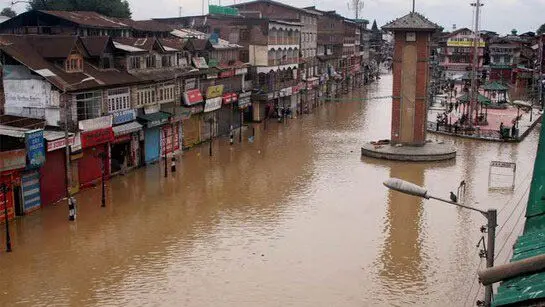
- Sudden floods and intense rainfall
- Prolonged dry spells
- Warmer summers and heat surges
Environmental researchers caution that Himalayan ecosystems are particularly vulnerable to global warming. Rising temperatures are altering snowfall patterns, glacier behavior, water availability, and agricultural cycles across the region.
The Valley’s climate, once considered relatively stable, is now showing signs of rapid transformation.
From Snowfall to Heatwave: Kashmir’s Weather Swings Raise Alarm
Ironically, this heatwave arrives shortly after heavy rain and fresh snowfall disrupted normal life in parts of Kashmir earlier this month. Areas like Gulmarg and Sonamarg had witnessed fresh snow even as plains battled rainfall and cold winds.
The sudden transition from near-winter conditions to scorching summer temperatures within days highlights the growing unpredictability of weather systems in the Valley.
Experts believe such rapid fluctuations are becoming more frequent and could significantly impact infrastructure, agriculture, tourism, and public health in the coming years.
Editorial Analysis: Kashmir’s 31.7°C Is More Than a Weather Record
Srinagar’s soaring 31.7°C is not merely a statistical anomaly — it is a warning sign for a region standing at the frontline of climate instability.
Kashmir’s changing weather patterns are beginning to affect every aspect of life: farming, water supply, electricity, health, and urban planning. Yet adaptation measures remain slow, fragmented, and reactive.
The Valley now faces a critical question: Is the administration prepared for a future where climate extremes become the new normal?
Without stronger environmental planning, resilient infrastructure, improved water management, and climate-sensitive policies, Kashmir may find itself increasingly vulnerable to both floods and heatwaves in the years ahead.
Conclusion
As Srinagar endures one of its hottest May days in recent memory, the heatwave has become a stark reminder that climate realities are shifting even in the Himalayan Valley once known for its cool summers.
For residents, the immediate concern is relief from the scorching temperatures. For policymakers and environmental planners, however, the bigger challenge lies in preparing Kashmir for a climate future that is becoming increasingly unpredictable.