Kashmir Chakka Jam April 20, 2026: Transport Strike Disrupts Srinagar & Districts
By: Javid Amin | 19 April 2026
Valley-Wide Chakka Jam Brings Kashmir to a Halt
Kashmir is witnessing a complete shutdown of public transport on Monday, April 20, 2026, as transporters enforce a valley-wide “chakka jam”—bringing daily life to a near standstill across Srinagar and multiple districts.
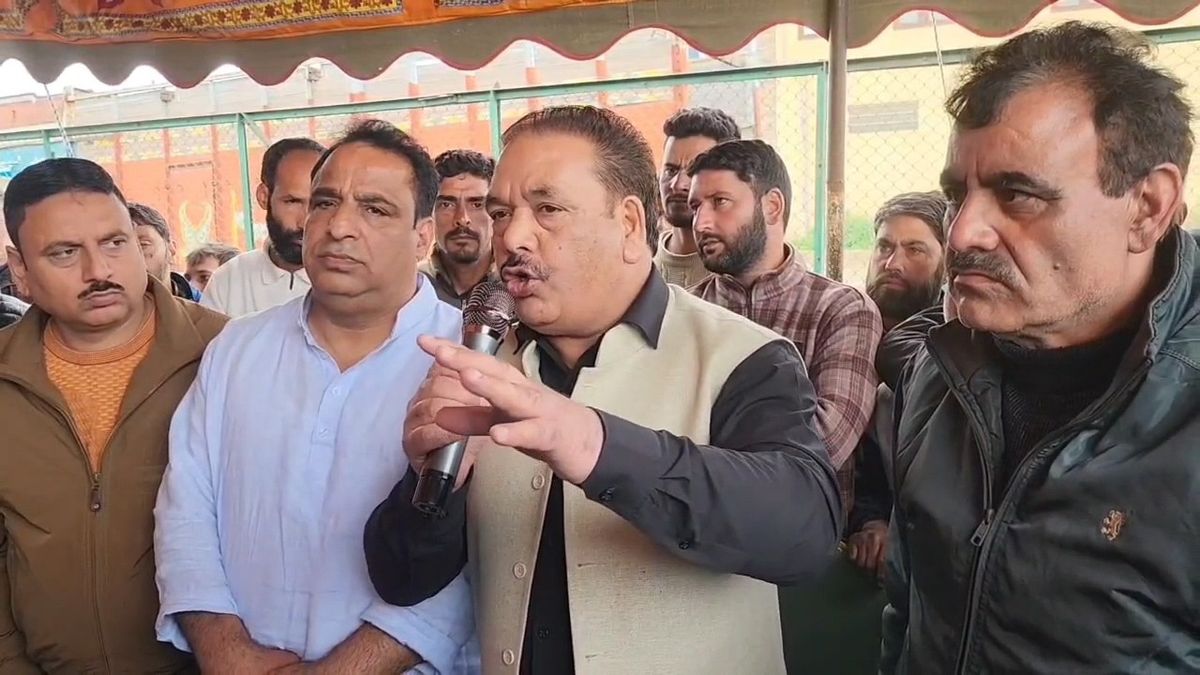
The strike, called by the All Jammu & Kashmir Transporters’ Welfare Association under the leadership of Shabir Ahmad Matta, is a direct protest against the government’s plan to expand Smart City bus services beyond Srinagar into district routes.
What Triggered the Strike?
At the heart of the agitation lies a policy shift aimed at modernizing urban mobility in Kashmir. Authorities have proposed:
- Deployment of 200 additional Smart City buses
- Expansion of routes beyond Srinagar into districts like Pulwama, Sopore, and Kangan
While the move promises affordable, organized, and eco-friendly transport, private operators see it as a direct threat to their survival.
Transporters vs Government: A Policy Clash
Transporters’ Perspective
Transport unions argue that the expansion creates unequal competition:
- Subsidized fares of Smart City buses undercut private operators
- Thousands of drivers, conductors, and vehicle owners risk losing income
- Lack of consultation has fueled resentment and distrust
For many families in Kashmir, private transport is not just a business—it is their primary livelihood.
Government’s Position
The administration maintains that the Smart City initiative is essential to:
- Reduce traffic congestion
- Lower carbon emissions
- Provide safe, affordable, and reliable public transport
Officials argue that expanding services to districts will ensure better regional connectivity and reduce dependency on unregulated transport systems.
Ground Impact: Life Disrupted Across Kashmir
The strike has triggered widespread disruption across urban and rural areas:
Public Transport Paralysis
- Buses, minibuses, taxis, and sumos remain off the roads
- Inter-district travel has been severely affected
Commuter Hardship
- Office-goers struggle to reach workplaces
- Students face attendance issues
- Patients and emergency travelers experience delays
Business & Economy Hit
- Local markets report reduced footfall
- Daily wage earners face income loss
- Supply chains experience temporary disruption
Traffic Pressure Rises in Srinagar
With public transport off roads, private vehicles have flooded city streets in Srinagar:
- Increased congestion on key routes
- Longer travel times
- Parking shortages in commercial hubs
Ironically, the strike has highlighted the very congestion issues Smart City buses aim to address.
What’s Still Running? Commuter Alternatives
Despite the shutdown, some transport options remain functional:
Smart City Buses
- Government-backed buses continue to operate
- Expanded routes offer limited relief
App-Based Cabs
- Services like Ola and Uber may function
- Expect high demand and surge pricing
Local Options
- Shared autos and e-rickshaws operating within city limits
- Limited availability in peak hours
Practical Travel Advisory for Residents
- Plan Ahead: Start early to avoid peak congestion
- Carpool: Share rides with colleagues or neighbors
- Track Updates: Follow official Smart City channels
- Emergency Planning: Allow buffer time for hospital visits or urgent work
Risks & Emerging Concerns
Economic Fallout
Prolonged or repeated strikes could deepen financial stress on both transporters and small businesses.
Public Sentiment Divide
- Commuters welcome affordable buses
- Transporters demand policy fairness and protection
Security & Law Enforcement
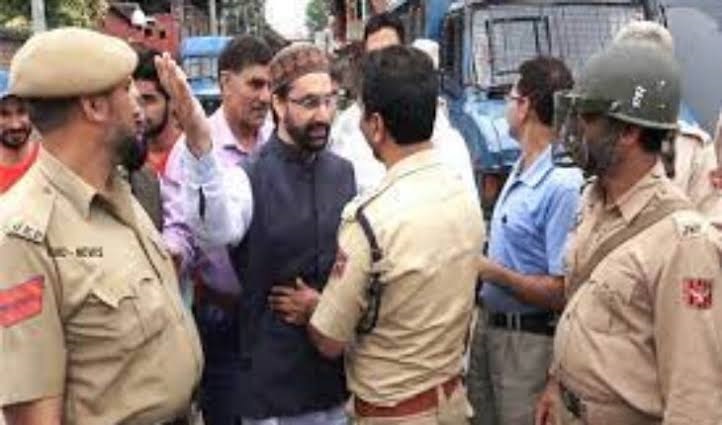
Large-scale strikes in Kashmir often see heightened police deployment to maintain order and prevent escalation.
Bigger Picture: Transition vs Survival
This strike underscores a larger socio-economic transition underway in Kashmir:
- Shift from informal, privately-run transport
- Toward regulated, state-backed mobility systems
However, without inclusive policy-making, such transitions risk displacing traditional livelihoods.
Final Takeaway
The April 20, 2026 Kashmir chakka jam is more than a transport strike—it reflects a deep conflict between modernization and livelihood security.
While Smart City buses promise efficiency and affordability, the concerns of thousands dependent on private transport cannot be overlooked. The way forward lies in balanced dialogue, phased implementation, and economic safeguards for affected workers.
FAQs
1. Why is there a transport strike in Kashmir today?
Transporters are protesting the expansion of Smart City bus services into district routes.
2. Which areas are affected?
The entire Valley, including Srinagar, Pulwama, Sopore, and Kangan.
3. Are any transport services running?
Yes, Smart City buses, some cabs, and autos are operating with limited capacity.
4. Who organized the strike?
The All Jammu & Kashmir Transporters’ Welfare Association led by Shabir Ahmad Matta.
5. What should commuters do?
Plan ahead, use available alternatives, and expect traffic congestion and delays.