J&K High Court Quashes PSA Detention of AAP MLA Mehraj Malik, Orders Release
By: Javid Amin | 27 April 2026
A Significant Judicial Intervention in Kashmir
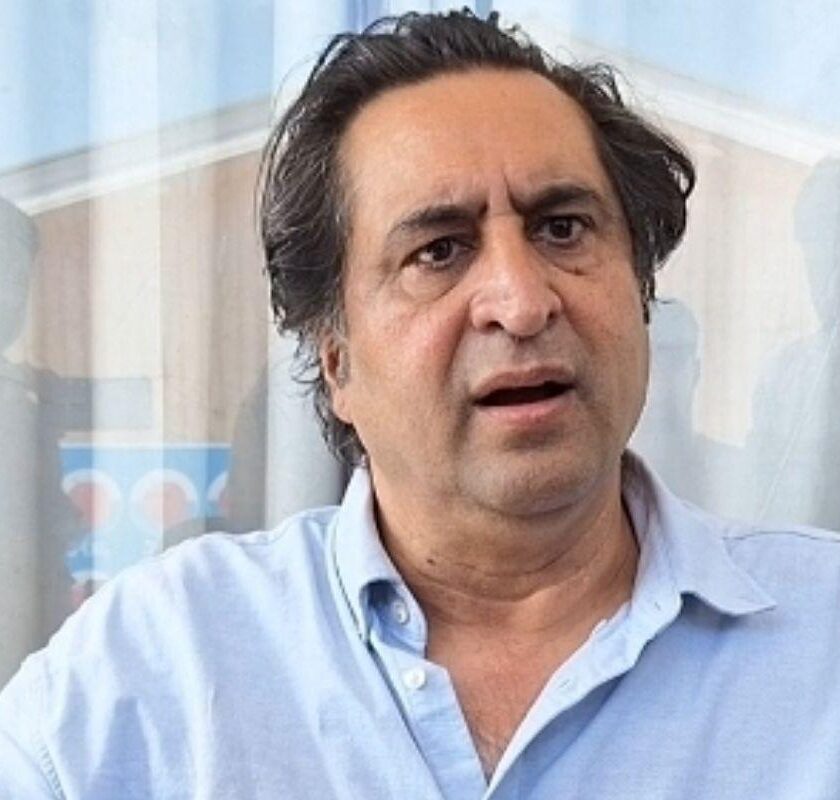
In a notable ruling with wide political and legal implications, the Jammu and Kashmir High Court has quashed the detention of Mehraj Malik under the Public Safety Act (PSA), directing authorities to release him immediately.
The decision marks a critical moment in the ongoing debate over the use of preventive detention laws in the Union Territory.
What the Court Said
According to the court’s findings:
- The grounds of detention were insufficient and legally unsustainable
- The order failed to meet the threshold required under PSA provisions
- Continued detention would amount to unlawful deprivation of liberty
By setting aside the detention order, the court reaffirmed that even under preventive laws, procedural safeguards and evidentiary standards must be strictly followed.
Background: Why Was Mehraj Malik Detained?
Mehraj Malik, a legislator associated with the Aam Aadmi Party (AAP), was detained earlier this year under PSA provisions.
Key Points:
- The detention was reportedly linked to concerns over public order
- AAP had strongly opposed the move, calling it politically motivated
- The case quickly drew attention due to Malik’s status as an elected representative
His legal team challenged the detention, arguing that it lacked concrete justification—a position the High Court has now upheld.
Understanding the PSA: A Controversial Law
The Public Safety Act allows authorities to detain individuals without trial for:
- Up to two years in matters related to security of the state
- Up to one year for public order concerns
While authorities defend it as a necessary tool for maintaining stability, critics argue:
- It is prone to misuse and overreach
- Detentions often rely on broad or vague grounds
- Legal recourse can be delayed, affecting fundamental rights
This case adds to a series of judicial interventions where courts have overturned PSA detentions due to procedural lapses.
Political and Legal Implications
For AAP
The ruling strengthens AAP’s narrative that its leaders are being unfairly targeted. It could:
- Boost party morale in Jammu & Kashmir
- Help AAP position itself as a victim of political suppression
For Governance
The judgment raises critical questions:
- Are preventive detention laws being applied too broadly?
- Is there adequate oversight in their implementation?
It may prompt calls for greater scrutiny and accountability in future PSA cases.
For the Judiciary
The ruling reinforces the judiciary’s role as a check on executive power:
- Courts continue to act as a safeguard against arbitrary detention
- It underscores the importance of due process, even in sensitive regions
Broader Context: A Pattern of Legal Pushback?
Over the years, multiple PSA detentions in Jammu & Kashmir have been challenged and, in some cases, quashed by courts.
This indicates:
- A recurring tension between security considerations and civil liberties
- Increasing judicial insistence on strict adherence to legal standards
Malik’s case now joins a growing list where courts have intervened to correct what they see as overreach.
Final Analysis: A Message Beyond One Case
The quashing of Mehraj Malik’s detention is not just a personal legal victory—it carries broader institutional significance.
It sends a clear signal:
Preventive detention cannot operate outside the framework of law and evidence.
As debates over governance, rights, and security continue in Jammu & Kashmir, such rulings are likely to shape both administrative practices and political narratives in the months ahead.