No Talks Scheduled: Iran Signals Diplomatic Pause as Hormuz أزمة (Crisis) Intensifies
By: Javid Amin | 19 April 2026
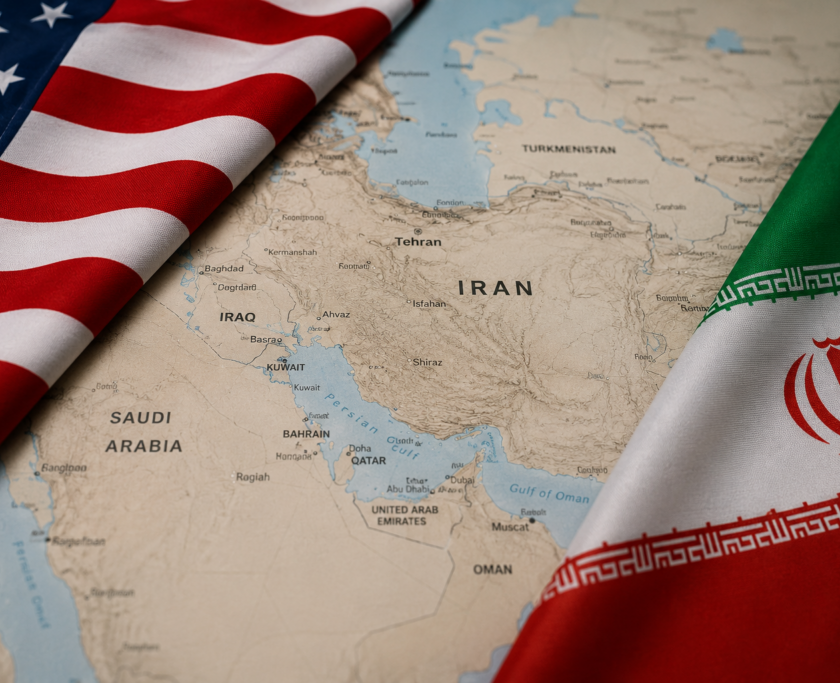
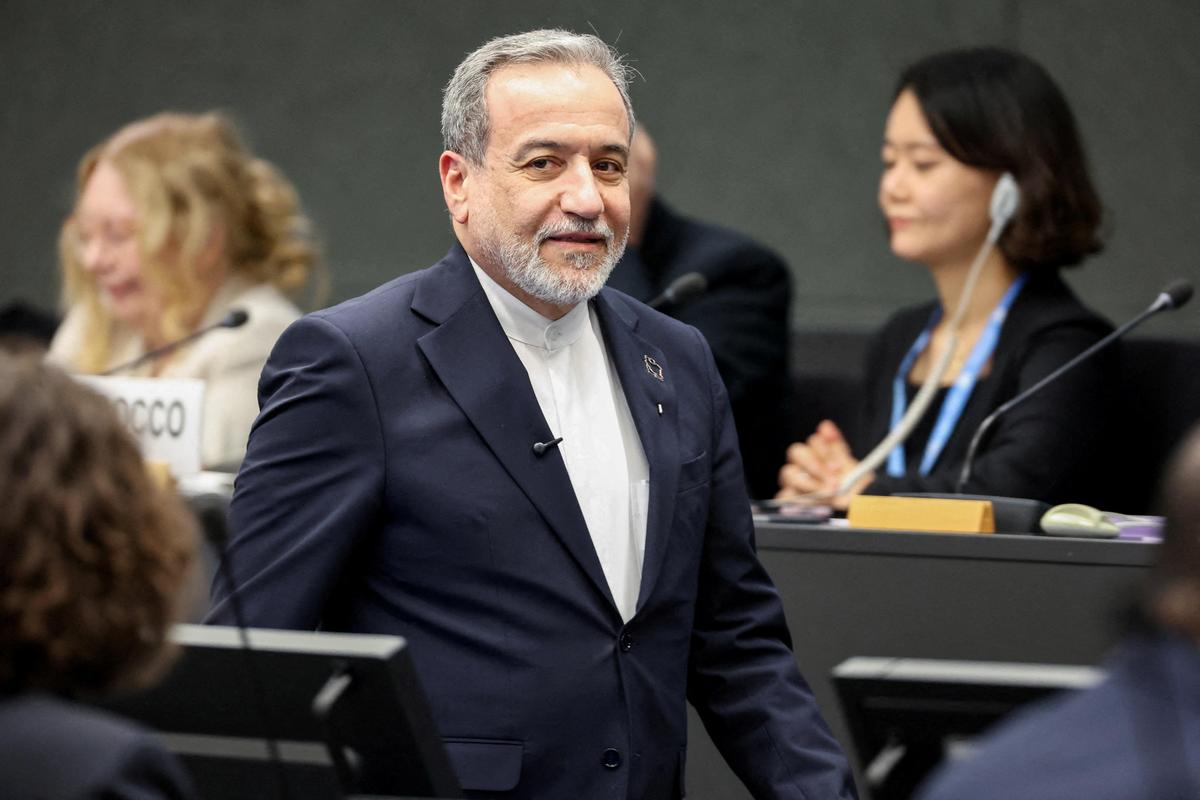
A fresh setback has hit fragile diplomacy between the United States and Iran, with Mohammad Bagher Ghalibaf confirming that no date has been set for the next round of negotiations.
While acknowledging “good progress,” Ghalibaf stressed that “fundamental gaps” remain unresolved—a signal that theفاوضات (talks) are effectively stalled at a critical juncture.
Ground Situation: Stalemate on Land, Tension at Sea
- ❌ No confirmed date for next US–Iran talks
- ⚠️ Iran accuses Washington of “pressure tactics”
- 🧩 Core disagreements remain unresolved
Maritime Flashpoint: Strait of Hormuz
- Critical chokepoint for global oil & LNG shipments
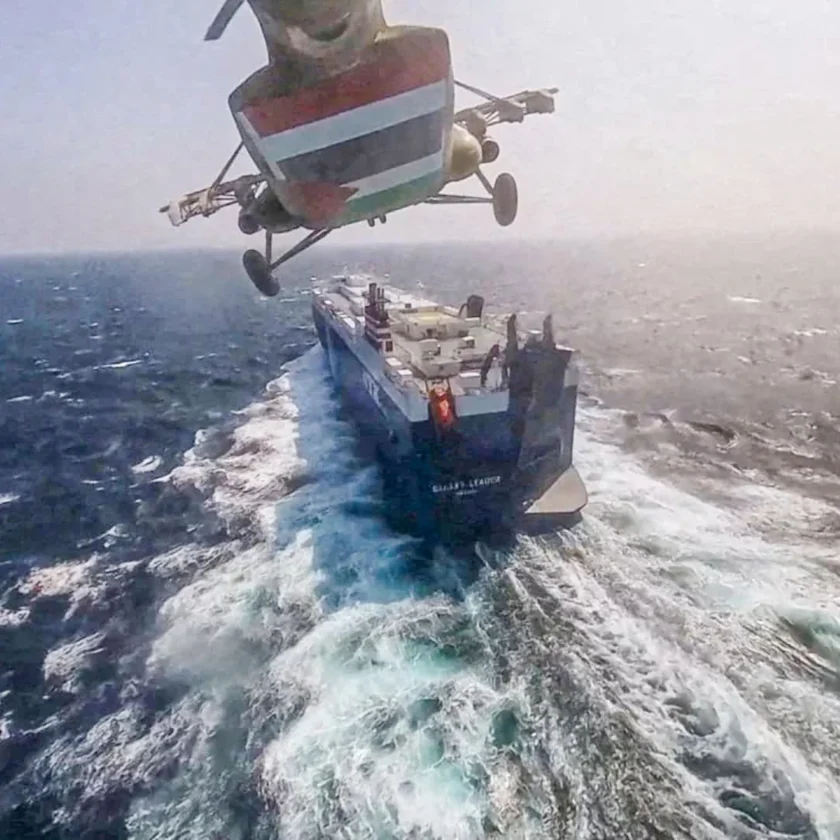
- Ongoing tensions affecting vessel movement and insurance costs
- Naval deployments increasing risk of accidental confrontation
The crisis is now defined by a dual-track deadlock:
Diplomacy stalled on land, الضغط (pressure) escalating at sea.
Why Talks Are Stuck: The Core Disputes
1. Nuclear Enrichment
- US position: Limit or halt enrichment
- Iran position: Non-negotiable sovereign right
2. Sanctions Relief
- Tehran demands verifiable easing of sanctions
- Washington prefers phased or conditional relief
3. Security Guarantees
- Iran seeks assurances against future strikes
- US reluctant to offer binding commitments
These are not technical disagreements—they are strategic red lines.
Hormuz Crisis: Scenario Outlook
If Talks Remain Stalled (Short Term: 1–2 Months)
- Oil prices could remain elevated ($130–150/barrel range)
- LNG supply disruptions impact Europe & Asia
- Increased naval patrols raise risk of incidents
If Talks Resume
- Gradual reopening of Hormuz transit routes
- Oil stabilizes ($90–100/barrel)
- Reduced military tension in Gulf waters
Medium-Term Risks (3–6 Months if Deadlock Continues)
- Global inflation worsens, especially for energy-importing nations
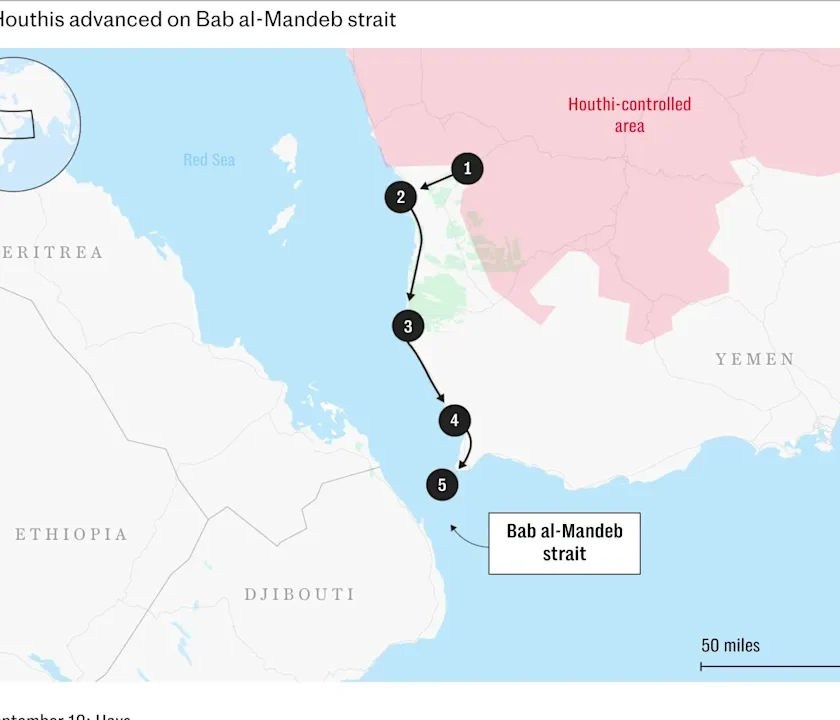
- Iran-aligned groups intensify activity in Lebanon, Iraq, Yemen
- Rising احتمال (risk) of direct US–Iran confrontation
Medium-Term Opportunities (If Talks Progress)
- Framework for sanctions relief emerges
- Regional ceasefire efforts gain traction
- Energy markets regain confidence
Regional Impact: Ceasefire Efforts Under Threat
غزة (Gaza) & Lebanon
- Ceasefire talks face delays
- Armed groups remain active
Proxy Dynamics
- Iran-linked militias continue applying pressure on US allies
- Risk of multi-front escalation increases
Without US–Iran progress, regional peace tracks remain fragile.
Reality Check: What’s Confirmed vs What’s Fluid
Confirmed
- No scheduled date for next talks
- Public acknowledgment of “progress” but major gaps
- Continued tensions around Hormuz
Fluid / Evolving
- Status of maritime restrictions and enforcement
- Backchannel diplomacy (often undisclosed)
- Potential mediation efforts (e.g., via regional actors)
Timeline Snapshot
- Feb 2026: Escalation after US–Israel strikes on Iran
- March–April: Backchannel diplomacy begins
- Recent: Talks held but no agreement reached
- Now: Iran confirms no date for next round
Strategic Analysis: A Controlled Deadlock?
This phase reflects a calculated posture from both sides:
For the US: Maintain الضغط (pressure) to force concessions
For Iran: Resist under pressure while avoiding full-scale conflict
This creates a “controlled stalemate”:
- Neither side escalates fully
- Neither side concedes decisively
But such equilibrium is inherently unstable—especially in a militarized zone like Hormuz.
Conclusion: A Fragile Pause Before the Next Move
Iran’s decision not to commit to a new round of talks underscores a hard reality:
Diplomacy is alive—but not advancing.
The longer the deadlock persists:
- The higher the risk to global energy security
- The greater the احتمال of regional escalation
- The narrower the window for a peaceful resolution
For now, the world is watching a संकट (crisis) defined by uncertainty—
where the next breakthrough or breakdown could come without warning.