US–Iran War Enters Dangerous Phase: Air Loss Claims, Infrastructure Strikes, and Rising Civilian Toll
By: Javid Amin | 03 April 2026
A Conflict Rapidly Escalating Beyond Control
The ongoing war between the United States and Iran has entered a far more dangerous and complex phase. What initially appeared as a series of targeted strikes has now evolved into a high-intensity conflict marked by competing military claims, deepening infrastructure damage, and mounting civilian casualties.
From alleged downing of advanced fighter jets to strikes on strategic infrastructure near Tehran, the battlefield is expanding both in scale and consequence. With no diplomatic engagement in sight, the trajectory points toward a prolonged and destabilizing regional war.
1. Fog of War: Claims of Major US Military Losses
Iran’s Assertions vs Verification Gap
Iranian sources have made significant claims regarding US military losses:
- Four F-15 fighter jets downed
- Two F-16 aircraft destroyed
- Two F-35 stealth fighters shot down
- One pilot allegedly captured and shown in footage
Additionally, Iran claims to have destroyed a US warship, resulting in casualties among naval personnel.
However, these claims remain unverified by US officials, highlighting a classic “fog of war” scenario where information is contested, delayed, or strategically shaped.
Why This Matters
Even if partially accurate, such losses would represent a serious escalation. If exaggerated, they still serve a strategic purpose:
- Boost domestic morale within Iran
- Signal deterrence capability
- Influence global perception of battlefield dynamics
Information itself has become a weapon in this conflict.
2. Strategic Strikes: Infrastructure and Nuclear Targets Hit
Destruction of the B1 Bridge: A Tactical Blow
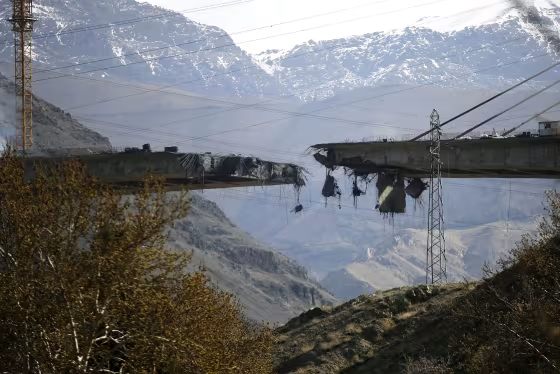
One of the most significant developments is the reported destruction of a major bridge in Alborz province.
Why the Bridge Matters
- Critical transport link between Tehran and Karaj
- Essential for civilian mobility and logistics
- Strategic value in troop and supply movement
The targeting of such infrastructure indicates a shift toward economic and logistical warfare, not just military confrontation.
Strikes Near Tehran’s Strategic Facilities
Reports suggest US bombers have struck:
- Ballistic missile infrastructure
- Nuclear-related facilities near Tehran
Implications
- Raises risk of nuclear escalation
- Signals intent to degrade long-term strategic capabilities
- Increases global concern over potential radioactive or environmental fallout
This marks a dangerous escalation threshold in the conflict.
Civilian Toll Rising
The human cost is becoming increasingly visible:
- At least 8 civilians reported killed
- Around 95 injured in strikes near Karaj
- Hospitals under pressure
- Urban life disrupted
Civilian infrastructure damage—transport, electricity, healthcare—is compounding the crisis.
3. Military Strategies: A War of Attrition Emerging
Iran’s Approach: Retaliation and Psychological Warfare
Iran appears to be adopting a multi-layered strategy:
- Missile and drone strikes on Israeli and US-linked targets
- Targeting civilian and energy infrastructure to increase pressure
- Amplifying narratives of military success (downed jets, captured pilot)
This approach combines conventional retaliation with psychological operations.
US–Israel Strategy: Systematic Degradation
The United States and Israel appear focused on:
- Targeting industrial and economic assets (bridges, steel plants)
- Striking nuclear and missile infrastructure
- Limiting Iran’s long-term military capability
This reflects a doctrine of strategic attrition, aimed at weakening Iran’s capacity over time rather than immediate battlefield victory.
4. Civilian Reality: Life Under Conflict
Urban Disruption and Daily Hardship
For ordinary citizens, the war is translating into:
- Power outages and blackouts
- Transport paralysis after infrastructure damage
- Shortages of essential goods
- Rising insecurity
Cities like Tehran and Karaj are experiencing mounting strain as basic services are disrupted.
Healthcare System Under Stress
Hospitals are facing:
- Increased casualty inflow
- Resource shortages
- Pressure on emergency services
In prolonged conflicts, healthcare systems often become one of the first critical points of failure.
5. Regional Spillover: Expanding Battlefield
Proxy Involvement Intensifies
The conflict is no longer confined to direct actors:
- Hezbollah fighters reported killed in Israeli strikes
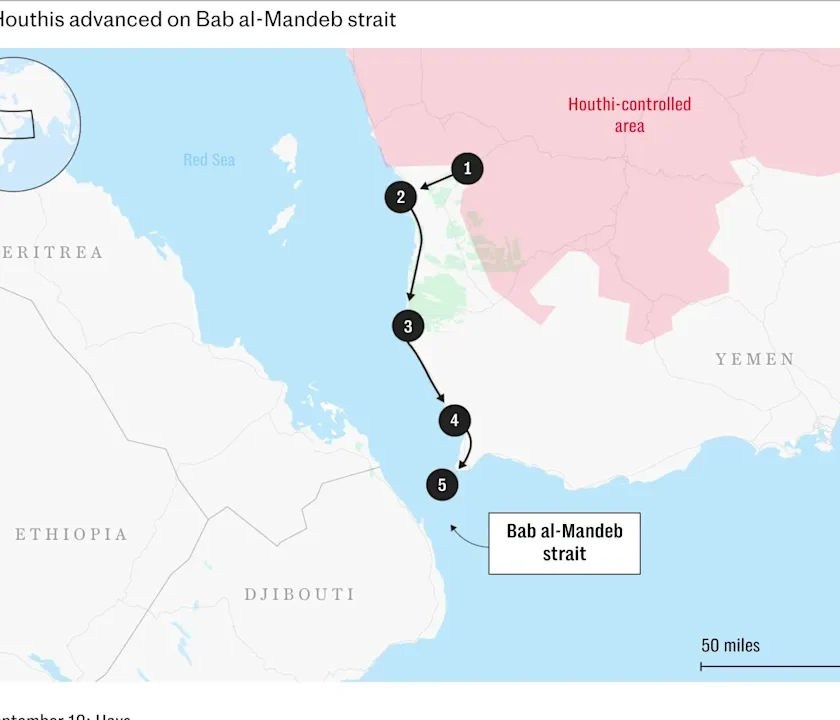
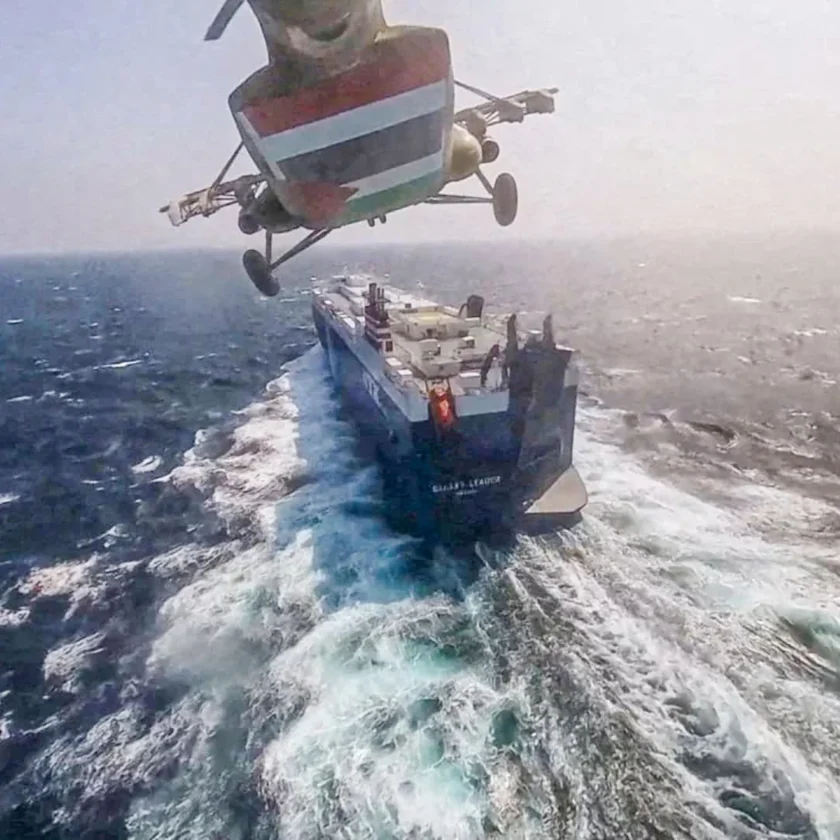
- Houthi threats to shipping routes intensifying
- Gulf states increasingly exposed to retaliation
This multi-front dynamic increases unpredictability and risk of escalation.
Maritime Threats and Oil Routes
Recent tanker attacks and threats to shipping lanes highlight a critical vulnerability:
- The Strait of Hormuz remains at risk
- Red Sea routes increasingly contested
- Insurance and freight costs rising
Global trade flows are directly under threat.
6. Global Implications: Economic Shockwaves Building
Energy Markets Under Pressure
- Oil prices already surging
- Supply disruptions likely to intensify
- Strategic reserves may be deployed globally
Shipping and Trade Disruptions
- Delays in global supply chains
- Increased transportation costs
- Impact on inflation worldwide
Financial Market Volatility
- Equity markets reacting to uncertainty
- Safe-haven assets gaining traction
- Emerging markets facing pressure
The conflict is evolving into a global economic stressor.
7. Risk Outlook: What Lies Ahead
Short-Term (1–2 Weeks)
- Continued missile and airstrike exchanges
- Symbolic retaliatory actions by Iran
- Rising civilian casualties
Medium-Term (April–May 2026)
- Increased proxy involvement
- Expansion of conflict zones
- Greater disruption to oil and shipping
Long-Term Scenario
Without diplomatic intervention, the conflict risks becoming:
- A prolonged regional war
- A major disruptor of global energy markets
- A catalyst for geopolitical realignment
8. Critical Risks to Watch
Nuclear Escalation Risk
Strikes on nuclear-related facilities increase the risk of wider escalation or unintended consequences.
Regional War Expansion
Involvement of Gulf states or further proxy escalation could widen the conflict dramatically.
Economic Shock
Sustained disruption in oil supply could trigger global inflation and economic slowdown.
Conclusion: A Conflict Approaching a Tipping Point
The US–Iran war is no longer a limited confrontation—it is approaching a tipping point with far-reaching consequences.
Competing military claims, strategic infrastructure strikes, and growing civilian suffering paint a picture of a conflict that is intensifying both militarily and psychologically. The absence of diplomacy, combined with expanding regional involvement, suggests that the path ahead may be defined more by escalation than resolution.
If current trends continue, the world could be witnessing the early stages of a prolonged and deeply destabilizing regional war—one that will reshape not just the Middle East, but the global economic and security landscape.