Festivals in Kashmir During Uncertain Times: A Call for Simplicity and Compassion
By: Javid Amin | 18 March 2026
When Joy Feels Heavy in the Valley
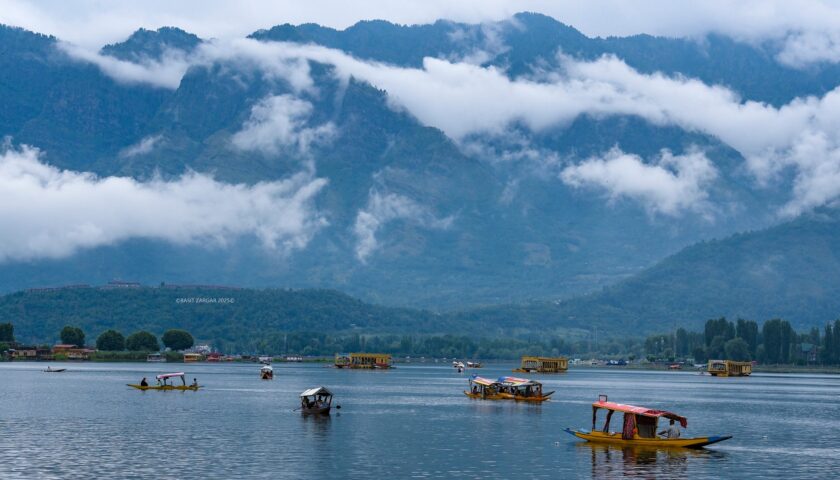
In the breathtaking valleys of Kashmir Valley, festivals have always carried a unique warmth.
From the spiritual calm of Ramadan nights to the joyful gatherings of Eid mornings, celebrations here are deeply rooted in faith, family, and tradition. The aroma of home-cooked meals, the sound of prayers from mosques, and the warmth of community bonds define Kashmiri festivities.
But in recent years—and especially in times marked by uncertainty, economic strain, and global tensions—celebration has taken on a more complex meaning.
The question many Kashmiris quietly ask is:
How do we celebrate when hearts feel heavy, and uncertainty surrounds us?
The Kashmiri Reality: Between Faith and Hardship
A Region Familiar with Resilience
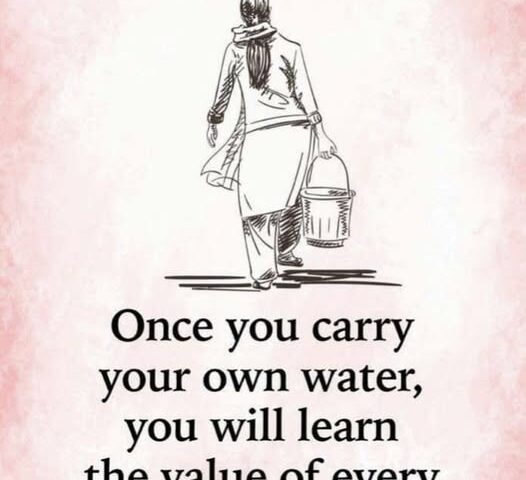
Life in Kashmir has never been untouched by challenges. From economic fluctuations to political uncertainties, and from harsh winters to limited opportunities, the people of the Valley have learned to adapt, endure, and stay grounded.
Today, many families face:
-
Rising cost of living
-
Limited employment opportunities
-
Emotional stress due to uncertainty
-
Awareness of global conflicts affecting the Muslim world
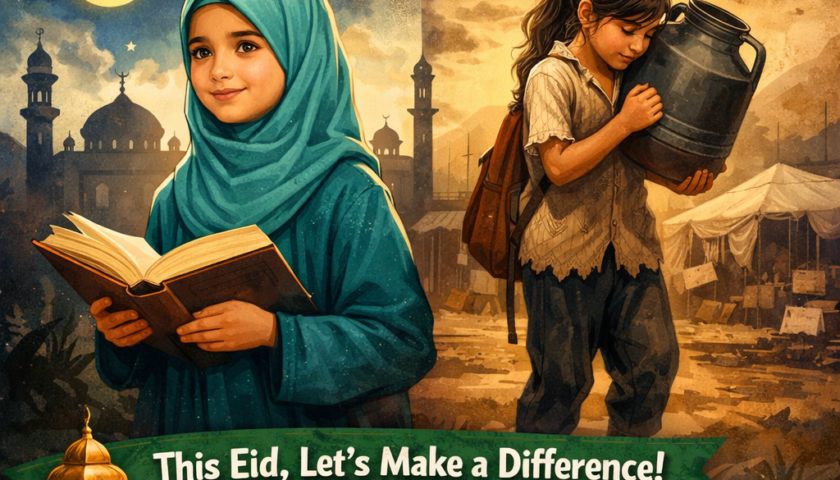
In such a context, extravagant celebrations feel increasingly distant from reality.
A Cultural Shift Already Underway
Interestingly, across Srinagar, Anantnag, Baramulla, and beyond, a subtle shift is visible:
-
Smaller gatherings replacing large feasts
-
Focus on family over display
-
Increased emphasis on charity
-
Less interest in lavish spending
This is not just economic adaptation—it is a return to Islamic essence.
Islamic Teachings in the Kashmiri Context
Faith That Resonates Locally
Kashmir has always had a deep spiritual tradition, influenced by scholars, Sufi saints, and a culture of humility.
The teachings of Islam align naturally with the Valley’s ethos:
“And those who, when they spend, are neither extravagant nor stingy…”
(Qur’an 25:67)
In Kashmir, this balance is not theoretical—it is lived.
Charity as a Cultural Practice
Charity (Zakat and Sadaqah) is deeply embedded in Kashmiri society.
During Ramadan and Eid:
-
Families quietly distribute food to the needy
-
Donations are given without publicity
-
Neighbors look after each other
This reflects the Hadith:
“The best of people are those most beneficial to others.”
Eid in Kashmir: Then and Now
Traditional Celebrations
Historically, Eid in Kashmir meant:
-
New clothes for children
-
Elaborate Wazwan meals
-
Large family gatherings
-
Visiting relatives throughout the day
The Emerging Reality
Today, many households are consciously choosing:
-
Simpler meals instead of large Wazwan spreads
-
Limited shopping focused on necessity
-
Quiet, meaningful gatherings
This shift is not a loss—it is a refinement.
Practical Ways Kashmiris Can Celebrate Simply
1. Keep Food Simple, Share Generously
Instead of lavish Wazwan feasts:
-
Prepare essential dishes
-
Share portions with neighbors and the needy
In areas like downtown Srinagar, this practice is already common and deeply valued.
2. Strengthen Neighborhood Bonds
Kashmir’s strength lies in its mohalla (locality) culture.
Simple acts:
-
Visiting elderly neighbors
-
Checking on struggling families
-
Sharing Eid meals
These acts revive the true روح (spirit) of celebration.
3. Prioritize Zakat & Sadaqah
With rising economic pressure:
-
Even small contributions matter
-
Collective charity within communities can uplift entire families
4. Center Celebrations Around Faith
Mosques across Kashmir play a vital role.
From Hazratbal Shrine to local neighborhood mosques:
-
Prayers bring unity
-
Sermons remind people of purpose
-
Collective دعا (supplication) strengthens hope
5. Teach Children Kashmiri-Islamic Values
Children should learn:
-
Celebration is not about show-off
-
Helping others is جزء (part) of Eid
-
Faith comes before fashion
6. Reduce Social Pressure
One growing issue in Kashmir:
-
Social comparison during festivals
-
Pressure to match others’ spending
Islam rejects this mindset entirely.
Global Awareness, Local Responsibility
Kashmir Is Not Isolated
Kashmiris are deeply connected emotionally to the global Muslim community.
From Palestine to other conflict zones, the درد (pain) is felt here.
This awareness shapes a more conscious celebration:
-
Prayers for global peace
-
Charity directed beyond borders
-
Emotional solidarity with suffering communities
Redefining Joy in the Kashmiri Context
What True Happiness Looks Like
In today’s Kashmir, true celebration is:
-
A warm meal shared with someone in need
-
A quiet family gathering
-
A heartfelt dua after نماز
-
A child learning kindness
A Deep Cultural Truth
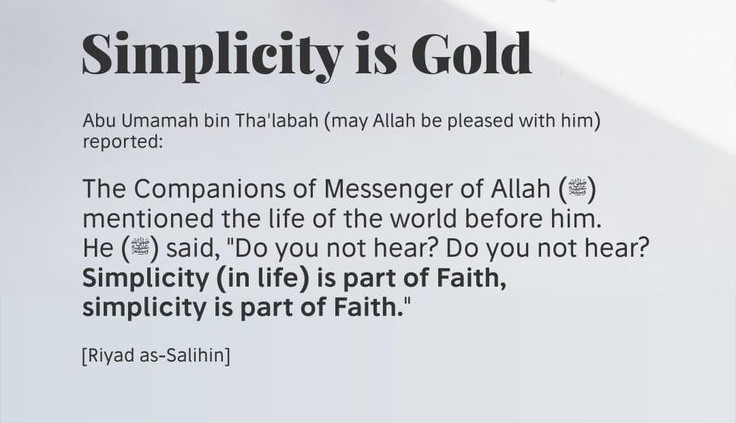
Kashmir has always valued simplicity.
From traditional wooden homes to modest lifestyles, the culture itself supports:
less display, more depth
Festivals as Hope in the Valley
Even in uncertainty, festivals remain:
-
A source of emotional healing
-
A reminder of faith
-
A bridge between generations
Simple celebrations become acts of:
-
Resistance against despair
-
Preservation of identity
-
Strengthening of المجتمع (community)
Ground Reality: Stories from the Valley
Across Kashmir:
-
Shopkeepers quietly help struggling families
-
Neighbors share essentials without being asked
-
Youth groups organize charity drives
These are not headlines—but they are the real story of Kashmir.
A Balanced Kashmiri Approach
Kashmir does not reject celebration.
It reshapes it into something:
-
Ethical
-
Spiritual
-
Inclusive
The Core Message for Kashmir
In times of uncertainty, the Valley stands at a moral crossroads:
Will celebrations become:
-
A burden of expectation?
Or:
-
A source of compassion and unity?
Conclusion: Kashmir’s Path Forward
The beauty of Kashmir is not just in its landscapes—but in its people.
By embracing:
-
Simplicity over show
-
Compassion over consumption
-
Faith over formality
Kashmir can set an example—not just for itself, but for the world.
Final Takeaway (Localized Catchphrase)
“سادگی سے جشن منائیں، ہمدردی کو یاد رکھیں، اور ایمان کے ساتھ جئیں۔”
(Celebrate with simplicity, remember with compassion, and live with faith.)