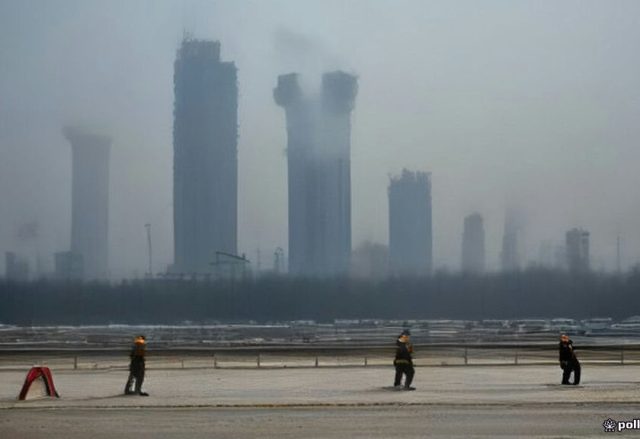
A volatile combination of maritime incidents in the Gulf, high-stakes military posturing, and evolving diplomatic efforts has thrust Middle Eastern security back into the global spotlight. As regional actors navigate shifting alliances and persistent military threats, commercial shipping and energy corridors face renewed scrutiny, prompting international observers to closely monitor developments on the ground.
- Iranian authorities report an incident involving two ships catching fire in Gulf waters, triggering maritime alerts.
- Tehran releases propaganda footage of a subterranean ‘missile city’ amid ongoing diplomatic efforts to halt regional conflict.
- U.S. defense strategists debate reorienting military postures and security ties with Gulf partner nations.
- UAE residents and regional expatriates remain on high alert as security advisories and military updates unfold.
Historical Context & Background
The geopolitical landscape of the Persian Gulf has long been characterized by strategic friction between regional states and external superpowers. For decades, the narrow maritime choke points—most notably the Strait of Hormuz—have served as vital arteries for global energy supplies. Past security architectures heavily relied on forward-deployed United States military assets to deter aggression and maintain freedom of navigation.
However, recent years have witnessed a strategic recalibration. Diplomatic rapprochements, shifting economic priorities, and changing domestic political landscapes in Washington have forced Gulf Cooperation Council (GCC) member states to reassess their security dependencies. The perennial tension between deterrence and de-escalation continues to define day-to-day realities for governments across the Arabian Peninsula.
Administrative Decisions & Ground Realities
Recent developments underscore the fragility of current stability. Iranian state media recently circulated footage showcasing an underground ‘missile city,’ a strategic display designed to project military deterrence as international mediators push for ceasefires and diplomatic breakthroughs. Concurrently, reports emerged from the Gulf regarding a maritime incident in which two ships allegedly caught fire, drawing immediate concern from regional maritime authorities.
For residents and expatriates living in countries such as the United Arab Emirates, these developments translate into a continuous flow of operational updates and heightened vigilance. Civil defense and maritime safety agencies across the region remain on standby to respond to any escalation that could threaten critical infrastructure or civilian safety.
Local Impact & Community Perspectives
The ripple effects of ongoing Middle Eastern hostilities extend far beyond government ministries and military command centers. Local communities, business owners, and logistics operators are acutely aware of how quickly geopolitical friction can impact daily commerce and travel insurance premiums.
Insurance providers and shipping firms have had to dynamically adjust risk assessments for vessels traversing Gulf waters. Meanwhile, expatriate communities in the UAE and surrounding nations continue to monitor official government updates closely, balancing everyday life against the backdrop of broader geopolitical negotiations.
Strategic & Socio-Economic Ramifications
The broader defense architecture is also undergoing a profound intellectual and strategic audit. Think tanks and policy institutes, such as Defense Priorities, have recently advocated for a fundamental reorientation of U.S.-Gulf security ties. Proponents of this shift argue that a reduced U.S. military footprint could incentivize regional actors to take greater ownership of their own security, fostering localized diplomatic frameworks rather than relying on external military umbrellas.
At the same time, global markets remain acutely sensitive to any disruption in Gulf energy exports. Supply chain continuity, petroleum pricing, and investor confidence are directly tied to the maintenance of secure maritime routes in the region.
Chronological Timeline & Data Breakdown
- Early November: Diplomatic channels intensify efforts to broker lasting ceasefires across active Middle Eastern conflict zones.
- Mid-November: Iranian military officials release promotional video footage highlighting underground missile stockpiles.
- Late November: Reports surface from the Gulf regarding a tanker incident involving two ships catching fire, prompting emergency responses.
- Ongoing: Regional governments and international security analysts continue assessing the durability of current maritime defense protocols.
The Road Ahead: Future Milestones
As diplomatic initiatives grind forward, the immediate priority for regional and international stakeholders will be preventing localized maritime incidents from spiraling into broader military confrontations. The balance between maintaining robust deterrence and pursuing meaningful dialogue will determine whether the Gulf can achieve lasting stability in the months ahead.
Frequently Asked Questions (FAQ)
What triggered the latest security concerns in the Gulf?
Recent concerns stem from reported maritime incidents involving ships catching fire in Gulf waters, combined with heightened military messaging and ongoing regional conflicts.
How are UAE residents affected by these developments?
While daily life continues uninterrupted, residents and expatriates closely monitor official updates and security advisories issued by local authorities regarding regional stability.
What is the focus of current U.S.-Gulf security discussions?
Policy debates center on reorienting military postures, encouraging greater regional self-reliance in defense, and reducing the risk of unintended military escalation.