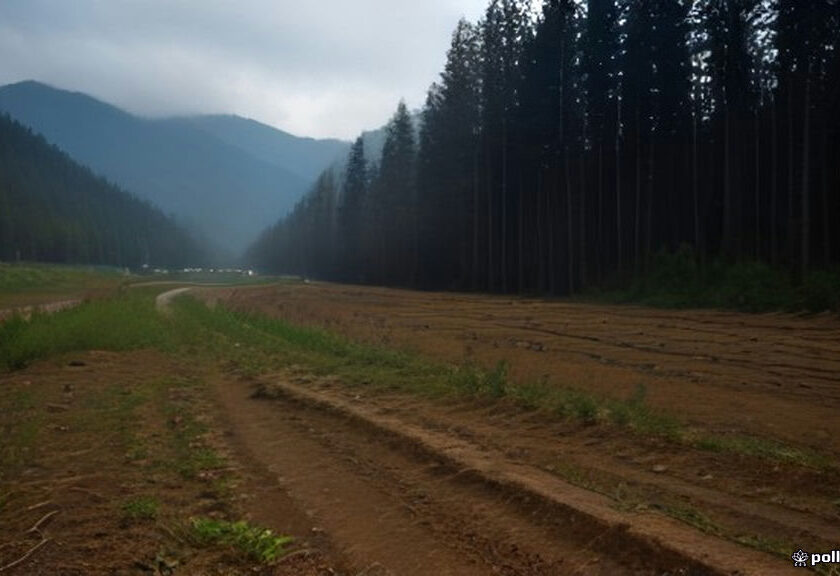
Kashmir stands at a profound crossroads where urgent regional connectivity demands clash directly with the preservation of its fragile alpine ecology. Recent ground reports reveal that over 500 mature conifer trees have been slated for removal to clear the path for a critical new tunnel project, a stark reminder of the steep environmental price often exacted by modern infrastructure development. Simultaneously, the region continues to cement its status as an academic hub, with NIT Srinagar officially announced as the host for the prestigious 11th International Conference on NBL in September 2027.
- Over 500 mature conifer trees are being cleared in Kashmir to facilitate a crucial new mountain tunnel project aimed at all-weather connectivity.
- Environmentalists and local communities express deep concern over the loss of ‘green gold’ and demand rigorous compensatory afforestation.
- On the academic front, NIT Srinagar prepares to host the 11th International Conference on NBL in September 2027, bringing global researchers to the Valley.
- Balancing ecological conservation with strategic infrastructure expansion remains the premier policy challenge for regional administrators.
Historical Context & Background
The mountainous terrain of Kashmir has historically presented severe logistical bottlenecks, particularly during harsh winter months when heavy snowfall isolates local populations and severs commercial lifelines. For decades, commuters and transporters have navigated perilous mountain passes prone to avalanches and landslides. To resolve this perennial crisis, central and regional authorities have prioritized the construction of modern subterranean tunnels designed to ensure seamless, all-weather mobility.
Yet, these engineering triumphs come with distinct ecological trade-offs. The valleys and slopes slated for development are densely populated by indigenous conifer forests—locally revered as ‘green gold’—which play an indispensable role in maintaining slope stability, regulating local microclimates, and preserving biodiversity. As heavy machinery moves in, balancing the socio-economic imperative of reliable transport routes with ecological protection has ignited intense debate among policymakers and conservationists.
Administrative Decisions & Ground Realities
Executing heavy civil engineering projects in ecologically sensitive zones requires stringent administrative clearance and comprehensive environmental impact assessments. According to project disclosures, the felling of more than 500 conifer trees has received conditional approval under strict regulatory frameworks, which mandate compensatory afforestation programs in designated non-forest or degraded land parcels.
On the ground, however, local communities and forestry experts monitor these operations with acute skepticism. While authorities emphasize that the tunnel will drastically cut travel times, boost regional commerce, and facilitate emergency medical evacuations, residents point out that newly planted saplings take decades to replicate the ecological functions and carbon sequestration capacity of the mature evergreens lost to the axe.
Local Impact & Community Perspectives
The sentiment across local villages near the project corridor is deeply divided. Shopkeepers, transport unions, and business owners welcome the economic stimulus and uninterrupted supply chains promised by the tunnel infrastructure. They argue that economic stagnation caused by seasonal road closures has stunted local development for generations.
Conversely, environmental advocates and pastoral communities warn of irreversible ecosystem degradation. Conifer forests support local hydrology, feeding natural freshwater springs that downstream communities rely upon for drinking and agriculture. As canopy cover diminishes, concerns regarding soil erosion and localized flash floods during heavy rainfall have intensified, prompting calls for greater transparency and community oversight in environmental mitigation efforts.
Strategic & Socio-Economic Ramifications
While the ecological debate over the conifer trees captures local headlines, the broader socio-economic trajectory of the region is simultaneously being shaped by institutional achievements. In a parallel development highlighting Kashmir’s growing academic footprint, NIT Srinagar has secured the bid to host the 11th International Conference on NBL in September 2027. This major scientific gathering is expected to draw leading global researchers, engineers, and technologists to the Valley, fostering international collaboration and elevating local higher education standards.
Chronological Timeline & Data Breakdown
| Date / Phase | Development Milestone | Key Impact / Focus Area |
|---|---|---|
| Phase 1 | Tunnel Project Environmental Clearance | Approval granted for cutting over 500 conifer trees with mandatory afforestation stipulations. |
| Phase 2 | Ground Mobilization & Tree Felling | Axe falls on forest tracts; local environmental groups demand strict adherence to mitigation plans. |
| September 2027 | NIT Srinagar Conference Announcement | Institution prepares to host the 11th International Conference on NBL, boosting academic tourism. |
The Road Ahead: Future Milestones
As civil works on the tunnel project gather momentum, the onus rests on executing agencies to rigorously implement compensatory afforestation and watershed protection measures. The true test of sustainable development in Kashmir will lie in whether modern connectivity can be achieved without permanently scarring the natural landscapes that define the region’s identity.
Concurrently, preparations at NIT Srinagar for the 2027 international conference underscore a parallel push toward intellectual capital and global engagement. Together, these developments illustrate a complex regional narrative: a territory striving to bridge geographical isolation through engineering while cultivating world-class academic excellence.
Frequently Asked Questions (FAQ)
Why are conifer trees being cut down in Kashmir?
Over 500 mature conifer trees are being cleared to make way for a strategic new mountain tunnel project designed to improve regional transport and provide all-weather connectivity.
What environmental measures are mandated for the tunnel project?
Regulatory approvals require executing agencies to undertake compensatory afforestation and implement watershed management plans to offset the loss of forest canopy.
What is the significance of the upcoming event at NIT Srinagar?
NIT Srinagar has been selected to host the 11th International Conference on NBL in September 2027, highlighting the institution’s growing prominence in global scientific research and academic collaboration.