Musadik Malik Arrives in India, Hopes for Better Regional Ties
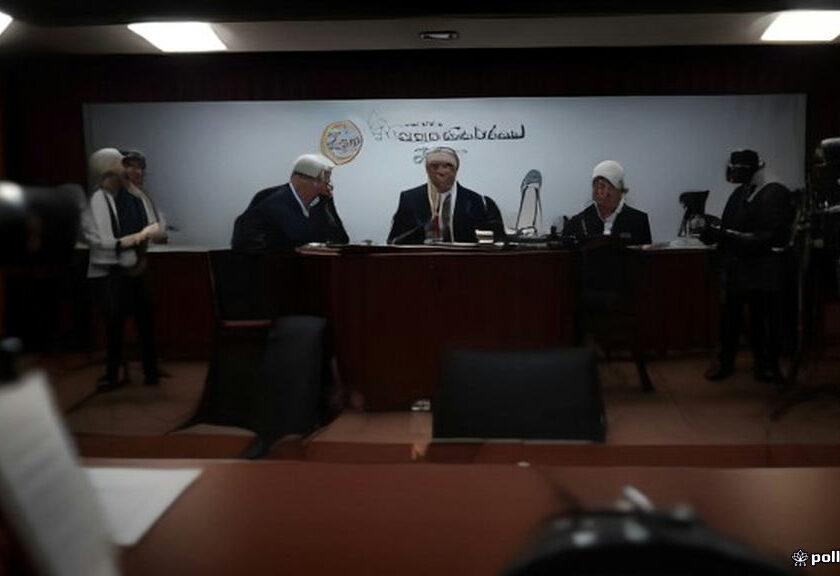
In a diplomatic development capturing international attention, senior political figure Musadik Malik has arrived in India, carrying a clear message of optimism regarding the future of bilateral relations. The visit, reported widely across regional news platforms including UrduPoint, underscores an ongoing effort to explore diplomatic avenues, mend fractured communication channels, and foster economic and political stability across South Asia.
Executive Summary & Key Takeaways:
- Musadik Malik arrives in India with an explicit focus on enhancing bilateral dialogue and regional cooperation.
- Observers note that the visit highlights the enduring necessity of back-channel diplomacy despite historical geopolitical friction.
- Economic stakeholders and trade groups have expressed cautious optimism regarding potential future commercial pathways.
- The diplomatic overture opens fresh avenues for civil society engagement and bilateral exchange.
Historical Context & Background
Relations between neighboring nuclear-armed states in South Asia have experienced profound fluctuations over the past several decades. From landmark peace accords to sudden diplomatic freezes triggered by security incidents, the historical trajectory remains complex. Diplomatic engagements have frequently oscillated between high-level summits and prolonged periods of silent standoff. Against this backdrop, visits by prominent political figures carry immense symbolic weight, often signaling a subtle shift from rhetoric toward pragmatic engagement.
Over recent years, regional chambers of commerce, think tanks, and peace activists have continuously emphasized the heavy economic toll of severed trade routes and restricted people-to-people contact. Analysts point out that sustained dialogue remains the only viable mechanism to resolve long-standing disputes concerning water sharing, territorial boundaries, and regional security frameworks.
Administrative Decisions & Ground Realities
While official protocols govern high-profile visits of this nature, administrative machinery on both sides of the border is frequently tested by the logistical and security demands of such diplomatic missions. Security agencies maintain heightened vigilance, ensuring that high-level delegations navigate sensitive urban centers safely. Concurrently, foreign ministries handle the delicate balancing act of managing domestic political expectations while exploring pragmatic diplomatic engagement.
Ground realities dictate that sustainable progress cannot rely solely on symbolic arrivals. Administrative frameworks must establish consistent communication channels, ranging from consular access discussions to commercial tariff negotiations. The arrival of figures like Malik often prompts bureaucratic machinery to re-examine pending bilateral agreements and dust off stalled cooperative frameworks.
Local Impact & Community Perspectives
Beyond the corridors of power, the arrival of political emissaries advocating for peace resonates deeply with ordinary citizens, particularly divided families, business owners, and diaspora communities. For generations, trade restrictions and visa complexities have separated families and stifled cross-border commerce.
Business leaders in commercial hubs have long advocated for the resumption of direct trade corridors, noting that third-party shipping significantly inflates operational costs. Public sentiment, while frequently tempered by historical skepticism, consistently favors peaceful coexistence and economic collaboration over perpetual hostility.
Strategic & Socio-Economic Ramifications
The geopolitical architecture of South Asia impacts global supply chains, regional security, and economic development indices. Reduced tensions between neighboring capitals translate into lower defense expenditures, higher investor confidence, and improved prospects for regional integration under frameworks such as the South Asian Association for Regional Cooperation (SAARC).
Chronological Timeline & Data Breakdown
- Phase I (Pre-Visit): Back-channel communications established via neutral diplomatic intermediaries.
- Phase II (Arrival): Musadik Malik lands in India, greeted by diplomatic protocols and media scrutiny.
- Phase III (Current Focus): High-level discussions focusing on confidence-building measures and trade restoration.
- Phase IV (Future Outlook): Anticipated reviews of consular agreements and cultural exchange programs.
The Road Ahead: Future Milestones
Translating initial diplomatic overtures into concrete policy achievements requires sustained political will and institutional resilience. Observers will monitor subsequent communiqués from foreign offices to determine whether this visit marks a temporary thaw or the beginning of a structured, long-term bilateral dialogue process.
Frequently Asked Questions (FAQ)
Who is Musadik Malik and why is his visit significant?
Musadik Malik is a prominent political figure whose arrival in India draws widespread attention due to its potential to jumpstart stalled diplomatic dialogues and improve regional stability.
What are the primary objectives of regional diplomatic visits?
Such visits typically aim to rebuild trust, ease trade barriers, address humanitarian concerns such as consular access, and establish frameworks for future peaceful coexistence.
How do business communities view these diplomatic developments?
Commercial stakeholders generally welcome diplomatic engagement, viewing normalization as a catalyst for reduced transportation costs, expanded market access, and broader economic growth.