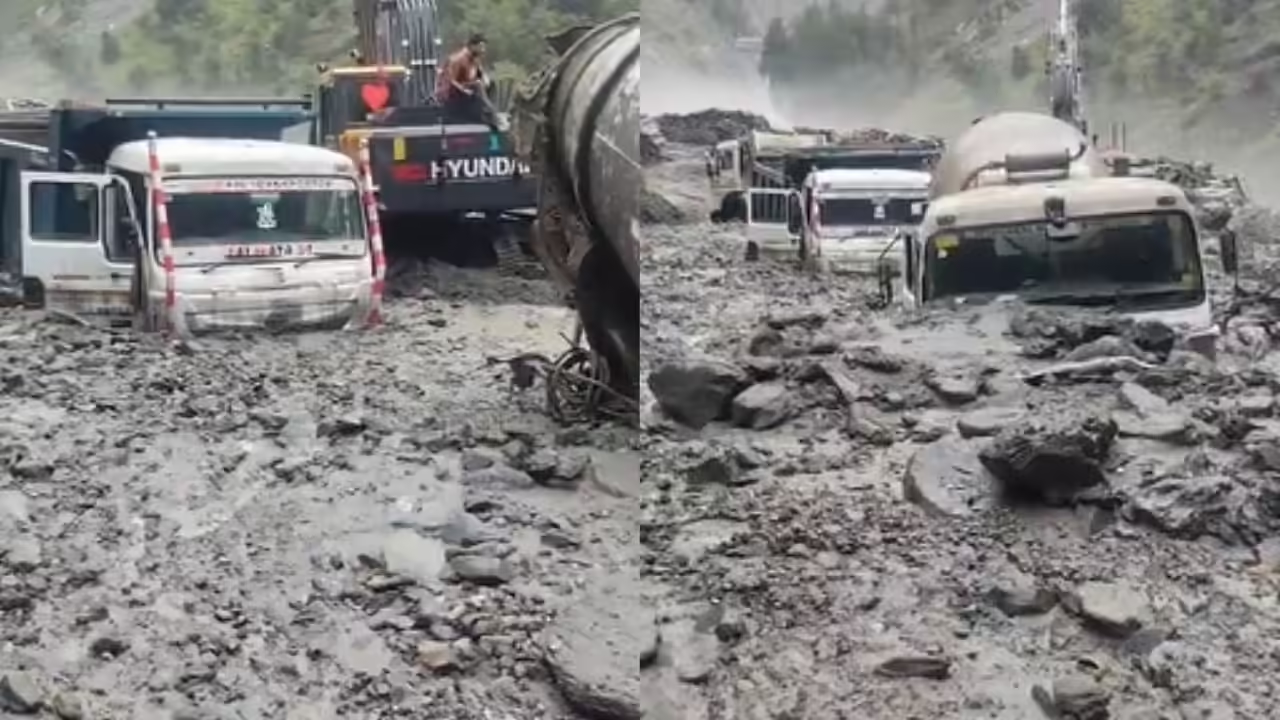
Kishtwar Cloudburst 2026: Flash Floods Damage Kwar Hydroelectric Project, Highway Blocked in Chenab Valley
By: News Desk | 07 July 2026
Flash Floods Strike Kishtwar After Powerful Cloudburst
A powerful cloudburst has triggered flash floods in Kishtwar district, causing widespread disruption across the Chenab Valley and exposing the vulnerability of infrastructure in Jammu & Kashmir’s mountainous terrain.
The sudden cloudburst unleashed torrents of water, mud and debris that swept through parts of the district, damaging roads, affecting residential areas and disrupting work at the Kwar Hydroelectric Project, one of the region’s major infrastructure projects.
Authorities immediately launched emergency response operations as rescue teams moved into affected areas to assist residents, assess damage and restore essential connectivity.
The incident comes amid an active monsoon spell that has already produced heavy rainfall, landslides and flash floods across several districts of Jammu & Kashmir.
Kwar Hydroelectric Project Suffers Major Damage
Among the worst-hit locations was the Kwar Hydroelectric Project, where floodwaters carrying mud, rocks and debris inundated the construction site.
According to preliminary reports:
- Heavy construction machinery was buried under debris.
- Work at the project was suspended.
- Equipment and infrastructure sustained significant damage.
- Engineers began assessing structural safety after floodwaters receded.
The project is a key hydroelectric development in the Chenab basin, and any prolonged disruption could affect construction timelines and increase project costs.
Officials are expected to conduct a detailed technical assessment before work resumes.
Landslides Block Highway, Disrupt Connectivity
The intense rainfall also triggered landslides and debris flows that blocked important road links connecting Kishtwar with neighbouring districts.
Large quantities of rocks, mud and uprooted trees covered sections of the highway, forcing authorities to suspend traffic movement.
The disruption affected:
- Passenger vehicles.
- Essential supply trucks.
- Emergency services.
- Daily commuters.
Road restoration teams have deployed heavy earth-moving equipment, but continuous rainfall and unstable slopes continue to hamper clearance operations.
Officials have advised travellers to avoid unnecessary journeys until roads are declared safe.
Residents Forced to Seek Higher Ground
The sudden rise in water levels left little time for residents in vulnerable areas to respond.
Several families moved to safer locations as floodwaters entered low-lying settlements.
Initial reports indicate damage to:
- Residential houses.
- Agricultural fields.
- Boundary walls.
- Rural roads.
- Irrigation channels.
While panic spread through affected villages during the peak of the flooding, emergency responders worked with local communities to evacuate people from vulnerable locations.
Authorities have not confirmed any fatalities, though damage assessments remain ongoing.
Rescue Operations Continue Across the District
Emergency response agencies were mobilised immediately after the cloudburst.
Teams from:
- State Disaster Response Force (SDRF)
- Jammu & Kashmir Police
- District Administration
- Fire and Emergency Services
- Local volunteers
have been engaged in:
- Clearing debris.
- Assisting stranded residents.
- Monitoring water levels.
- Restoring road connectivity.
- Assessing damage to public infrastructure.
Officials have appealed to residents to cooperate with rescue teams and report any missing persons or blocked routes promptly.
Heavy Rain Warning Remains in Effect
The Meteorological Department has warned that the current weather system is likely to remain active over the Chenab Valley during the coming days.
Forecasts indicate the possibility of:
- Moderate to heavy rainfall.
- Thunderstorms.
- Localised cloudbursts.
- Flash floods in vulnerable streams.
- Landslides along mountain roads.
- Rising water levels in rivers and seasonal nallahs.
Authorities have urged people living near rivers, steep slopes and landslide-prone areas to remain vigilant and follow official advisories.
Why the Chenab Valley Is Highly Vulnerable
The Chenab Valley is one of the most geologically sensitive regions of the western Himalayas.
Several factors increase disaster risk:
Steep Mountain Slopes
Heavy rainfall rapidly flows downhill, carrying rocks, mud and debris.
Fragile Geology
Loose soil and fractured rock formations make slopes vulnerable to landslides.
Narrow River Valleys
Floodwaters become concentrated within confined channels, increasing their destructive force.
Infrastructure in Difficult Terrain
Roads, bridges and hydroelectric projects are often located close to rivers and steep mountainsides, making them vulnerable during extreme weather.
Climate scientists note that while individual cloudbursts cannot be attributed solely to climate change, a warmer atmosphere can hold more moisture, increasing the likelihood of short-duration, high-intensity rainfall events in mountainous regions.
Impact at a Glance
| Factor | Situation | Impact |
|---|---|---|
| Kwar Hydroelectric Project | Floodwaters and debris inundated the site | Construction halted; equipment damaged |
| Highway Connectivity | Landslides and debris blocked road sections | Traffic suspended and supplies disrupted |
| Residential Areas | Flooding in vulnerable settlements | Damage to homes, farmland and local infrastructure |
| Emergency Response | SDRF, police and volunteers deployed | Rescue, relief and restoration work underway |
Safety Advisory for Residents
Authorities have issued the following precautions while heavy rainfall continues:
- Avoid travelling through landslide-prone roads unless essential.
- Stay away from rivers, streams and seasonal nallahs.
- Do not attempt to cross flooded roads or bridges.
- Follow evacuation instructions issued by district authorities.
- Keep emergency supplies, medicines and drinking water ready.
- Monitor official weather updates before travelling.
Tourists visiting the Chenab Valley are also advised to confirm road conditions before beginning their journey.
Extreme Weather Underscores Need for Greater Preparedness
The latest disaster once again highlights the growing challenges posed by extreme weather in the Himalayan region.
Cloudbursts, flash floods and landslides are placing increasing pressure on communities, transport networks and critical infrastructure such as hydroelectric projects. As climate variability contributes to more frequent episodes of intense rainfall, experts say investment in resilient infrastructure, advanced weather monitoring, early warning systems and disaster-ready construction practices will be essential.
For the people of Kishtwar and the wider Chenab Valley, the immediate priority remains restoring connectivity, supporting affected families and ensuring that ongoing rainfall does not trigger further emergencies.