Mirwaiz Umar Farooq Calls for Fresh India-Pakistan Dialogue, Says Peace Cannot Be Achieved Through Confrontation
By: News Desk | 30 June 2026
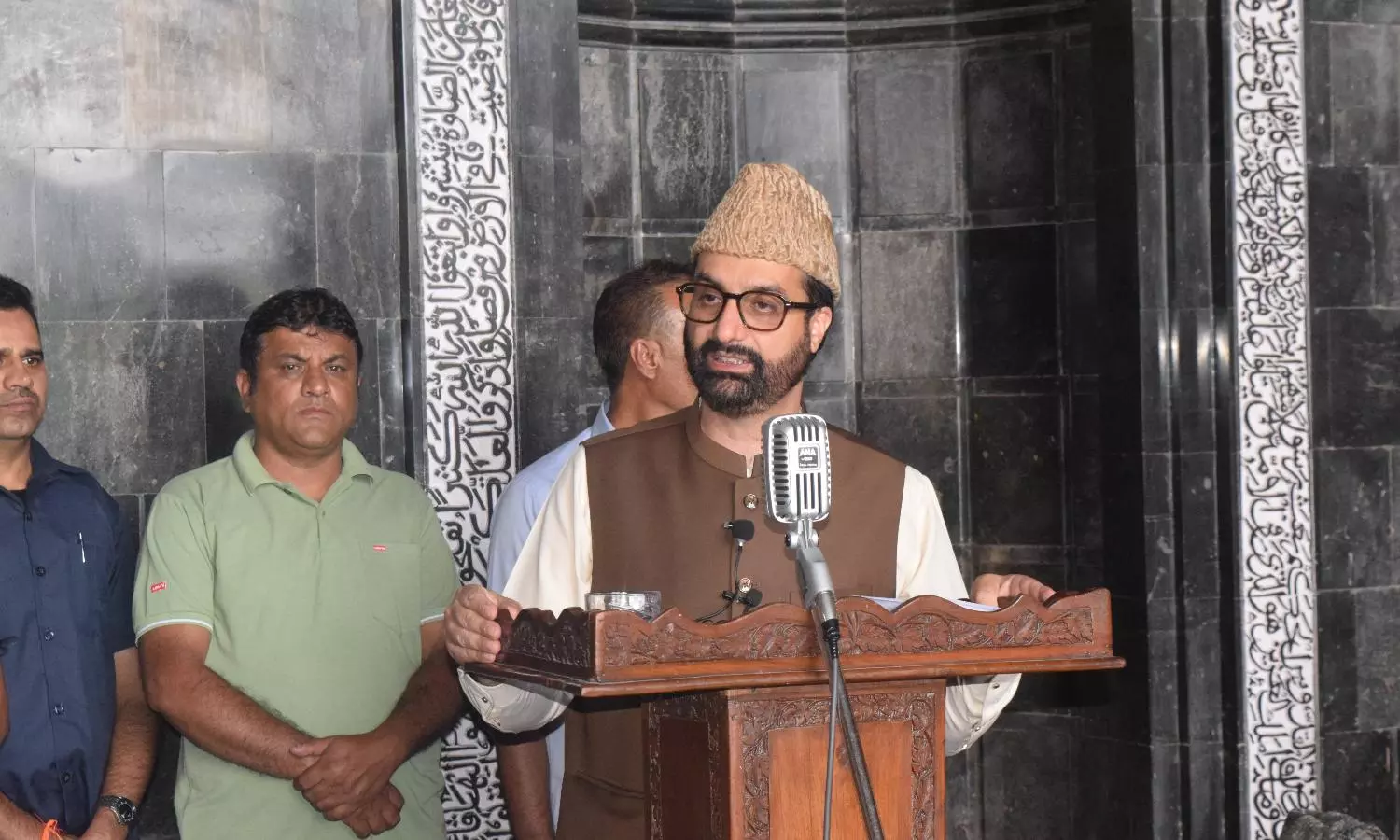
Hurriyat Conference chairman Mirwaiz Umar Farooq has renewed his appeal for India and Pakistan to resume diplomatic engagement, saying that dialogue remains the only viable path to achieving lasting peace in South Asia. Speaking in Srinagar, the Mirwaiz urged the leadership of both countries to move beyond confrontation and revive meaningful negotiations aimed at reducing tensions and addressing long-standing issues, including Kashmir.
His remarks come at a time when relations between New Delhi and Islamabad remain strained, with diplomatic engagement largely frozen following years of heightened tensions, border incidents and security concerns. Against this backdrop, Mirwaiz’s statement has once again brought the debate over dialogue and diplomacy back into public discussion.
Mirwaiz: ‘Dialogue Is the Only Way Forward’
Addressing people in Srinagar, Mirwaiz said that decades of hostility have brought immense human suffering and have failed to deliver a lasting solution to the challenges facing the region.
He stressed that military confrontation and political deadlock have only widened mistrust between the two neighbours, while sustained dialogue offers the possibility of reducing tensions, restoring confidence and creating conditions for peace.
According to Mirwaiz, South Asia’s future depends on political engagement rather than prolonged confrontation. He urged both governments to demonstrate the political will needed to reopen communication channels and work toward peaceful coexistence.
Reference to the Vajpayee-Musharraf Peace Process
During his address, Mirwaiz referred to earlier peace initiatives between India and Pakistan, particularly the diplomatic outreach during the tenure of former Indian Prime Minister Atal Bihari Vajpayee and former Pakistani President Pervez Musharraf.
The Vajpayee-Musharraf period is often remembered for confidence-building measures, cross-border bus services, people-to-people exchanges and sustained diplomatic engagement despite significant political differences.
Mirwaiz suggested that the spirit of those initiatives demonstrated that dialogue could continue even during periods of disagreement and that both countries should draw lessons from those efforts.
While those initiatives did not ultimately resolve all outstanding issues, they are frequently cited as one of the most constructive phases in India-Pakistan relations.
Kashmir Must Be Addressed Through Political Means
Mirwaiz reiterated his long-standing position that the Kashmir issue requires a political solution rather than a military approach.
He said that the people of Jammu and Kashmir have endured decades of uncertainty and conflict and deserve an environment where they can live in peace, security and dignity.
According to him, lasting stability in the region cannot be achieved without sustained political engagement and dialogue involving all relevant stakeholders.
His remarks reflect a position he has expressed on several occasions, advocating peaceful resolution through negotiations instead of confrontation.
Current Diplomatic Context
India-Pakistan relations have remained under strain for several years due to a combination of security concerns, cross-border incidents and diplomatic disagreements.
Formal bilateral dialogue has largely remained suspended, while communication between the two countries has been limited.
Despite occasional humanitarian measures and limited official contacts, broader political engagement has yet to resume.
Against this backdrop, calls for renewed dialogue continue to emerge from sections of civil society, religious leaders and peace advocates who argue that sustained communication is essential to reducing regional tensions.
Why the Statement Matters
A Renewed Push for Diplomacy
Mirwaiz’s remarks add to ongoing voices advocating a return to diplomatic engagement between India and Pakistan.
Supporters of dialogue argue that continued communication can help prevent misunderstandings, reduce tensions along the Line of Control and create opportunities for humanitarian cooperation.
Reflects Public Desire for Stability
Many residents of Jammu and Kashmir have experienced decades of conflict and uncertainty.
Calls for peace and stability often resonate among sections of the population that hope for greater normalcy, economic development and improved regional connectivity.
At the same time, views on the political roadmap for achieving these objectives remain diverse across different communities and stakeholders.
A Politically Sensitive Issue
The question of resuming India-Pakistan dialogue continues to generate differing political perspectives.
The Government of India has consistently maintained that any engagement with Pakistan must take place in an atmosphere free from cross-border terrorism. Pakistan, meanwhile, has repeatedly called for dialogue on all outstanding issues, including Kashmir.
As a result, proposals for renewed talks remain closely tied to broader diplomatic and security developments.
Can Dialogue Resume Soon?
While Mirwaiz’s appeal has once again highlighted the importance of diplomacy, there are no official indications at present that comprehensive bilateral talks are imminent.
Any future dialogue would likely depend on several factors, including:
- Improvement in the overall security environment.
- Confidence-building measures between the two countries.
- Political willingness on both sides to re-engage diplomatically.
- Progress in addressing issues that have contributed to the prolonged diplomatic freeze.
Analysts note that meaningful negotiations generally require sustained political commitment, mutual trust and a conducive regional environment.
The Road Ahead
Mirwaiz Umar Farooq’s latest appeal reinforces a recurring theme in South Asian diplomacy—that dialogue remains a central instrument for managing differences between India and Pakistan.
Whether or not his call translates into renewed diplomatic engagement will depend on decisions taken by New Delhi and Islamabad in light of their respective strategic and security considerations. For now, his statement has renewed attention on the broader debate over peace, diplomacy and the future of India-Pakistan relations, while also highlighting the continued significance of Kashmir in regional political discourse.
Editorial Note: This report summarizes Mirwaiz Umar Farooq’s public remarks. His statements represent his views and should not be interpreted as reflecting the official position of the Government of India or the Government of Pakistan.