3-Month Ration Scheme in Jammu & Kashmir from April 2026: Full Guide, Benefits, Challenges & Ground Reality Explained
By: Javid Amin | 24 March 2026
A Structural Shift in India’s Food Distribution System
In a significant shift in India’s food security framework, ration card holders across the country—including residents of Jammu and Kashmir—are set to benefit from a new bulk distribution policy starting April 2026. Under this system, eligible households can collect three months’ worth of subsidized food grains in a single visit to their designated fair price shop.
This move marks a departure from the traditional monthly distribution model under the Public Distribution System (PDS), which has been the backbone of India’s welfare delivery for decades. The initiative, overseen by the Department of Food and Public Distribution, aims to enhance efficiency, reduce logistical burdens, and improve accessibility—particularly in geographically challenging regions like Kashmir.
But beyond the policy announcement lies a deeper story—one that touches on governance, economics, rural realities, and the everyday lives of millions.
Understanding the 3-Month Ration Scheme: What Exactly Is Changing?
From Monthly to Quarterly Distribution
Traditionally, ration beneficiaries have been required to visit their local fair price shops every month to collect their entitlement of wheat, rice, or other essential commodities. This monthly cycle often resulted in overcrowding, long queues, and logistical inefficiencies.
Under the new system:
- Beneficiaries can collect ration for April, May, and June 2026 in one visit
- The quantity remains unchanged, but delivery frequency shifts
- Subsidized pricing under schemes like the National Food Security Act remains intact
This change is not merely administrative—it represents a rethinking of how welfare schemes can be delivered more effectively in a country as vast and diverse as India.
How the System Will Work on the Ground
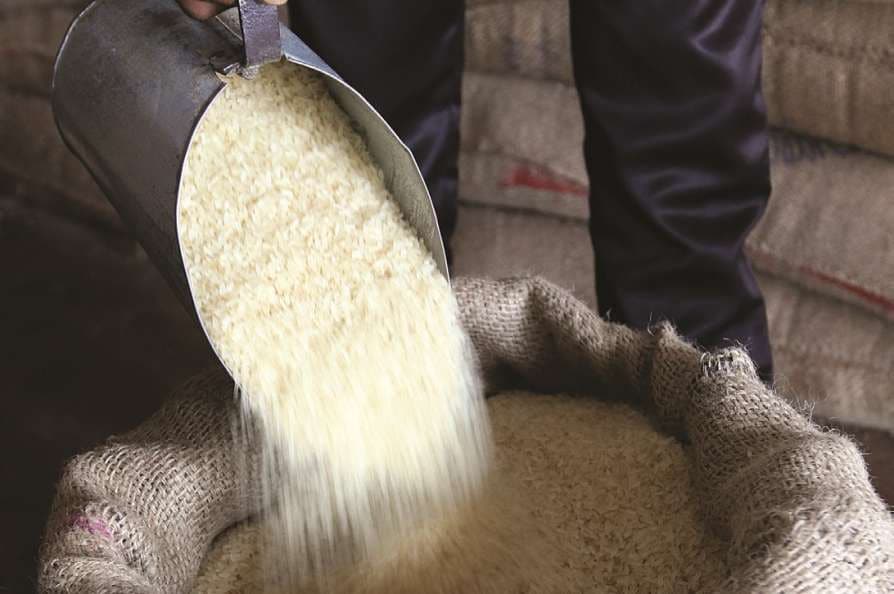
In operational terms, ration shops—also known as Fair Price Shops (FPS)—will be stocked with three times the usual quantity of food grains ahead of April. Beneficiaries will:
- Authenticate identity via Aadhaar or ration card
- Receive cumulative allocation for three months
- Make a single payment covering the entire quantity
In regions like rural Kashmir, where accessibility is often hindered by terrain or weather, this model could significantly reduce the physical and financial burden on families.
Impact on Households: Convenience Meets Responsibility
Fewer Trips, Lower Costs
One of the most immediate benefits is convenience. For many families—especially those in remote areas of districts like Kupwara, Bandipora, or Kulgam—visiting ration shops involves travel costs and lost work hours.
With a single visit:
- Travel expenses are reduced
- Daily wage earners lose fewer working days
- Elderly and physically challenged individuals face less hardship
Stock Security at Home
Having a three-month stockpile of essentials offers a sense of security. In a region like Kashmir, where weather disruptions such as snowfall frequently block roads and delay supplies, this is particularly valuable.
It also reduces dependence on unpredictable supply chains—especially during emergencies.
Upfront Payment Pressure
However, the scheme is not without its challenges. Beneficiaries will now need to pay for three months’ ration in one go.
While prices remain subsidized, the cumulative cost may strain the budgets of low-income households, particularly those reliant on daily wages or seasonal employment.
Storage: A New Concern for Many Families
Storing three months’ worth of grains is not trivial:
- Many homes lack adequate storage facilities
- Moisture, pests, and rodents pose risks
- Improper storage can lead to spoilage and wastage
In rural Kashmir, traditional storage methods like wooden bins or sacks may need upgrading to ensure food safety.
Comparative Snapshot: Old vs New System
| Aspect | Current System | New Scheme (April–June 2026) |
|---|---|---|
| Frequency | Monthly visits | One-time visit |
| Coverage | Single month | Three months |
| Convenience | Moderate | High |
| Logistics | Repetitive distribution | Bulk handling |
| Financial Load | Spread monthly | One-time payment |
Administrative & Logistical Implications
Pressure on Supply Chain
For the Food Corporation of India (FCI) and local FCS&CA departments, this shift requires:
- Advanced planning and warehousing
- Efficient transportation of bulk stock
- Timely allocation to FPS dealers
Any delay or mismanagement could disrupt supply for an entire quarter rather than a single month.
Fair Price Shops: Scaling Up Operations
FPS dealers will face increased operational demands:
- Handling larger inventories
- Managing higher footfall during initial distribution days
- Ensuring accurate record-keeping
This may require additional manpower, digital tools, and infrastructure upgrades.
Ground Reality in Jammu & Kashmir: What Reports Suggest
Preliminary inputs from officials within the FCS&CA department in Srinagar indicate that:
- Modalities are still being finalized
- Final approval from the central government is awaited
- Pilot implementation may begin in select districts
Local stakeholders—including ration dealers and consumers—have expressed cautious optimism.
Voices from the Ground
- Consumers welcome reduced visits but worry about storage and upfront costs
- Dealers anticipate operational challenges but acknowledge efficiency gains
- Officials emphasize the need for awareness campaigns to ensure smooth rollout
Challenges & Risks: A Balanced View
Storage & Spoilage Risks
Without proper storage:
- Grains may absorb moisture during humid months
- Pest infestations can occur
- Food quality may degrade over time
Equity Concerns
Not all households are equally equipped:
- Urban households may adapt easily
- Rural and economically weaker sections may struggle
Verification & Transparency
Ensuring that:
- Correct quantities are distributed
- No duplication or diversion occurs
will be critical to maintaining trust in the system.
Why This Policy Matters: A Socio-Economic Perspective
Efficiency Gains in Welfare Delivery
From a governance standpoint, this move reduces repetitive administrative tasks and optimizes resource allocation.
Strengthening Food Security
Bulk distribution ensures that households are better prepared for uncertainties—be it economic shocks or natural disruptions.
Impact on Local Economies
Reduced travel and time costs translate into:
- Higher productivity
- Better allocation of household resources
Future Outlook: Will This Become Permanent?
While currently announced for April–June 2026, the success of this initiative could determine its future.
If implemented effectively, it may:
- Become a permanent feature of India’s PDS
- Expand to include additional commodities
- Integrate with digital tracking systems
Conclusion: Convenience with a Caveat
The 3-month ration scheme represents a bold and potentially transformative step in India’s food distribution system. For residents of Jammu & Kashmir, it offers tangible benefits—especially in terms of convenience and preparedness.
However, its success will depend on:
- Effective implementation
- Public awareness
- Support mechanisms for vulnerable households
In essence, the policy simplifies access—but shifts some responsibility to households. If balanced well, it could redefine how welfare reaches the last mile in India.