Schools Across Kashmir Valley to Remain Closed Till March 7
By: Javid Amin | 03 March 2026
All schools, colleges, and universities across the Kashmir Valley will remain closed until March 7, 2026, authorities confirmed on Tuesday, extending the earlier two-day shutdown imposed amid protests triggered by the reported killing of Iran’s Supreme Leader Ali Khamenei.
The decision applies to the entire Kashmir Division and has been taken as a precautionary measure in view of the prevailing security situation.
Education Minister Confirms Extension
Jammu and Kashmir’s Education Minister Sakina Itoo publicly confirmed the extension of the closure, emphasizing that student safety remains the top priority.
She stated that:
-
All government and private educational institutions across the Valley will remain shut till March 7.
-
Further updates regarding reopening will be communicated after reviewing the ground situation.
-
Authorities are closely monitoring developments before taking the next decision.
The closure marks a significant extension beyond the initial two-day suspension announced on March 1.
Why Schools Are Closed
Safety Concerns
The shutdown comes amid ongoing protests across parts of the Kashmir Valley following reports of Khamenei’s killing in a joint US–Israel strike.
Authorities cited:
-
Public safety concerns.
-
Risk of large gatherings near educational institutions.
-
Transportation disruptions.
-
Potential clashes in sensitive areas.
Security restrictions have been imposed in several districts, including Srinagar, where protests and clashes were reported earlier.
Valley-Wide Impact
The closure applies to:
-
Primary schools
-
Secondary schools
-
Higher secondary institutions
-
Degree colleges
-
Universities
Examinations scheduled during this period are likely to be postponed or rescheduled. Educational boards and universities are expected to issue fresh notifications soon.
Parents and students across districts such as Srinagar, Budgam, Baramulla, Anantnag, and Pulwama are awaiting clarity on revised academic calendars.
Jammu Division Not Affected
In contrast, educational institutions in the Jammu Division are not impacted by the protest-related shutdown.
Schools in Jammu will remain closed only on March 4 for Holi celebrations and are scheduled to reopen on March 5 as planned.
This distinction underscores how the current unrest remains largely confined to the Kashmir Valley.
Protests Continue in Parts of Kashmir
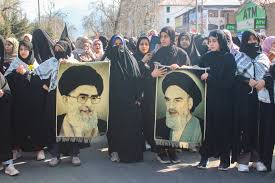
Earlier, demonstrations erupted in Srinagar and other districts, with security forces deploying in sensitive areas, including Lal Chowk.
Clashes between protesters and police resulted in injuries, and authorities imposed restrictions on movement to prevent escalation.
Internet speeds were reportedly regulated in certain areas as part of preventive measures.
While the intensity of protests appears to have reduced compared to the initial day, officials remain cautious.
A Pattern of Precautionary Closures
School closures during periods of unrest are not new in Kashmir.
Over the past decade, educational institutions have been temporarily shut during:
-
Major political developments.
-
Security operations.
-
Large-scale protests.
-
Internet shutdown periods.
Authorities typically describe such measures as preventive rather than reactive, aimed at avoiding risk to minors.
Academic Concerns Mount
Parents and students are expressing concern about:
-
Disruption in academic schedules.
-
Board examination timelines.
-
Attendance requirements.
-
Competitive exam preparation.
Education experts note that repeated interruptions can:
-
Affect learning continuity.
-
Increase anxiety among students.
-
Delay academic progression.
Officials have assured that academic loss will be compensated through adjusted schedules.
Broader Context: Global Event, Local Impact
The closure once again highlights how international developments can ripple into local contexts in Kashmir.
Religious and political sensitivities in the region often amplify global events, particularly those involving major Muslim leaders.
The reported killing of Ali Khamenei has resonated strongly among sections of the Valley’s population, triggering mourning processions and political protests.
Authorities fear that gatherings around schools and colleges could become flashpoints if unrest continues.
What Happens Next?
The administration will review the situation before March 7.
Possible next steps include:
-
Gradual reopening in phased districts.
-
Continued closure in highly sensitive areas.
-
Rescheduling of examinations.
-
Enhanced security near educational campuses.
Much depends on whether protests subside over the coming days.
Current Ground Mood
Reports suggest:
-
Heavy security presence in downtown Srinagar.
-
Limited public transport in some districts.
-
Reduced market activity.
-
Schools remaining visibly shut with official notices displayed.
While large-scale clashes have not been reported since the initial incidents, authorities appear determined to prevent any resurgence.
The Balancing Act
The government faces a delicate challenge:
Protect students and maintain law and order — without prolonging academic disruption.
The extension till March 7 signals caution rather than panic. However, prolonged closure could raise broader questions about the impact of political instability on education in the Valley.
Final Word
For now, schools across Kashmir Valley will remain closed till March 7, 2026, as authorities prioritize safety amid ongoing tensions.
Students, parents, and educators are watching closely for the next update — hoping that calm returns quickly and classrooms reopen without further delay.
The situation remains under review.