‘Leave Iran by Available Means’: India Issues Urgent Advisory as Death Toll Rises and US Attack Fears Grow
By: Javid Amin | 15 January 2026
An Advisory That Signals Real Danger
India has issued one of its strongest overseas safety advisories in recent years, urging all Indian nationals currently in Iran to leave the country immediately by any available means, including commercial flights, amid rapidly deteriorating security conditions.
The advisory—issued twice within days by the Ministry of External Affairs (MEA)—comes against the backdrop of:
-
A nationwide uprising in Iran
-
A deadly crackdown with a mounting death toll
-
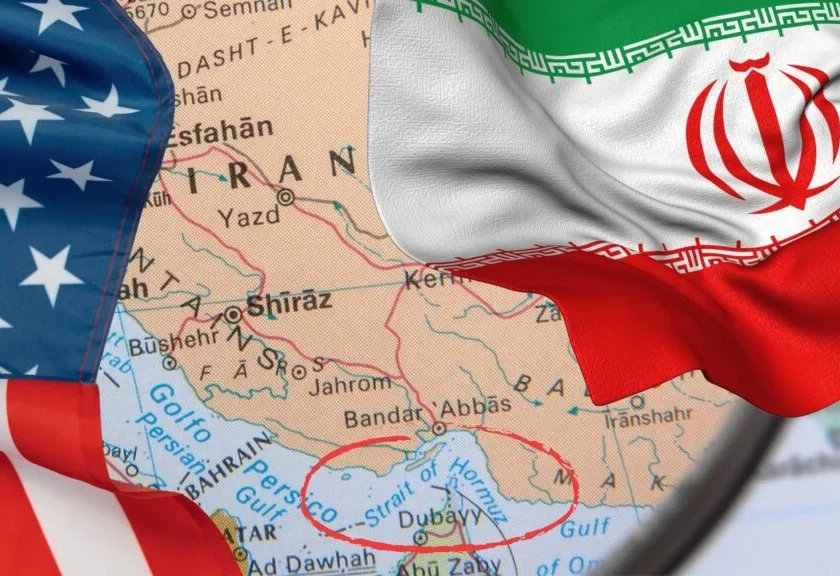
Escalating US–Iran tensions, including repeated threats of military action by U.S. President Donald Trump
-
Growing fears of a possible US-led or US-Israel military strike
Diplomatic sources describe the situation as “fluid, unpredictable, and potentially explosive”, prompting New Delhi to activate evacuation protocols even as air routes remain uncertain.
What Is Happening in Iran: A Country in Freefall
Nationwide Protests and Urban Violence
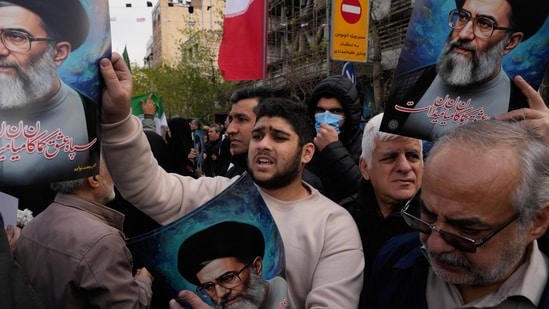
Iran is currently witnessing its most intense unrest in years. Protests that erupted in late December 2025 over economic collapse—runaway inflation, currency devaluation, fuel shortages, and unemployment—have since evolved into a full-scale political uprising.
In major cities such as Tehran, Isfahan, Mashhad, and Shiraz:
-
Streets have seen violent clashes
-
Vehicles and public infrastructure have been set ablaze
-
Security forces have deployed lethal force to disperse crowds
Eyewitness accounts and rights groups report that the situation is worsening by the day, with demonstrations spreading faster than authorities can contain them.
Mounting Casualties and a Worsening Humanitarian Picture
Human rights organizations estimate:
-
Thousands killed in clashes between protesters and security forces
-
Tens of thousands detained, including students and workers
-
Hundreds injured, with hospitals reportedly overwhelmed
The Iranian government disputes these figures, but an internet blackout and media restrictions have made independent verification nearly impossible.
From a diplomatic standpoint, the scale of violence alone is sufficient to justify evacuation advisories. Combined with the external military risks, it has elevated Iran to a high-threat zone.
US–Iran Tensions: Why War Fears Are Driving the Advisory
Trump’s Repeated Threats
President Donald Trump has:
-
Issued repeated warnings of “strong action” against Tehran
-
Threatened military intervention over Iran’s crackdown
-
Announced a 25% tariff on any country trading with Iran
-
Publicly aligned the US with Israel in confronting Iran
In recent days, Trump has also canceled or frozen back-channel diplomatic engagements, signaling a sharp hardening of Washington’s stance.
Iran’s Response: ‘Prepared for War’
Iranian officials, including Foreign Minister Abbas Araghchi, have responded by declaring:
-
Iran is “prepared for war”
-
Any external attack will be met with force
-
Tehran will not bow to threats or sanctions
More alarmingly, Iranian rhetoric has included direct warnings that it “will not miss the target this time”, widely interpreted as a veiled threat against Trump and U.S. interests.
For foreign nationals on the ground, this combination of rhetoric and military posturing represents a clear and present danger.
India’s Advisory: What It Says and Why It Matters
Issued Twice — A Rare Signal
The MEA issued advisories on:
-
January 5, 2026
-
January 14, 2026
Issuing multiple advisories in such a short span underscores the seriousness of the threat. Officials emphasize this is not a routine or precautionary notice, but an urgent directive.
Who Must Leave
The advisory applies to:
-
Students
-
Pilgrims
-
Businesspersons
-
Tourists
-
Workers and long-term residents
In short, all Indian nationals, regardless of purpose or duration of stay.
Clear Instruction: Leave Immediately
The wording is unambiguous:
-
Leave by any available means
-
Do not wait for official evacuation if commercial options exist
-
Register with the Indian Embassy without delay
Evacuation Logistics: How India Is Getting Its Citizens Out
Commercial Flights First
Indians are being urged to:
-
Book any available commercial flights from Tehran or nearby hubs
-
Travel early before routes are disrupted
-
Avoid waiting for government flights unless necessary
Special Evacuation Flights
The Indian government is preparing:
-
Chartered evacuation flights
-
The first batch expected to depart around January 16, 2026
-
Priority boarding for students, pilgrims, elderly citizens, and medical cases
Embassy Coordination
The Indian Embassy in Tehran has:
-
Opened emergency hotlines
-
Asked citizens to register for evacuation lists
-
Warned of possible roadblocks and transit disruptions
Embassy escorts and coordination with local authorities are being explored to ensure safe passage to airports.
Scale of the Challenge: Thousands of Indians at Risk
Estimates suggest:
-
Several thousand Indians are currently in Iran
-
A significant number are pilgrims visiting religious sites
-
Hundreds are students enrolled in universities
-
Business communities are spread across multiple cities
Pilgrims and students are particularly vulnerable, as unrest may restrict movement and access to transportation.
Safety Guidelines for Indians Still in Iran
Until departure, the Embassy has advised:
-
Stay indoors and avoid all protests
-
Avoid crowded areas and government buildings
-
Keep travel documents ready
-
Monitor Embassy alerts and local updates continuously
Citizens are warned that conditions can change rapidly, including sudden airport closures or curfews.
Why This Evacuation Is Significant
Comparable to Past Crisis Operations
Diplomats compare the scale and urgency to:
-
Operation Rahat (Yemen, 2015)
-
Evacuations from Ukraine, Afghanistan, and Sudan
Such operations are launched only when:
-
Host nation stability is severely compromised
-
Armed conflict appears imminent
-
Civilian safety cannot be guaranteed
A Signal to the World
India’s advisory sends a broader message:
-
The situation in Iran is approaching conflict-zone status
-
Diplomatic de-escalation is uncertain
-
Foreign nationals should not assume immunity
Key Risks Going Forward
1. Sudden Military Escalation
Any US-Iran or Israel-Iran clash could erupt with little warning.
2. Internal Collapse
Escalating protests may lead to law-and-order breakdowns.
3. Transport Shutdowns
Airports and highways could be blocked or targeted.
4. Humanitarian Fallout
Shortages of fuel, food, and medicine could worsen rapidly.
Key Takeaways
-
Leave immediately: This is a high-risk advisory, not a routine alert.
-
Do not wait: Commercial flights may stop without notice.
-
Stay connected: Embassy registration is essential.
-
Expect delays: Evacuations from conflict zones are complex.
-
Monitor developments closely: The situation remains volatile.
Conclusion: A Crisis That Has Crossed the Red Line
India’s urgent advisory reflects a stark reality: Iran is no longer merely unstable—it is approaching a critical threshold where internal unrest and external confrontation could merge into open conflict.
For Indian nationals, the message is clear and uncompromising: get out while you still can.
For the international community, the evacuation underscores the gravity of the moment. Iran’s domestic uprising, combined with US-Iran brinkmanship, has transformed the country into one of the most dangerous flashpoints of 2026.
What happens next will shape not only Iran’s future—but regional stability, global energy markets, and international security itself.