Domestic LPG Price Hike Adds Fresh Burden on Families Already Struggling With Inflation
By: Javid Amin | 06 May 2026
Cooking Gas Becomes Costlier Again; Is the Common Man Paying the Price of Every Economic Shock?
India’s middle class and low-income households woke up to another inflationary blow on June 7, as domestic LPG cylinder prices were increased by ₹29 per 14.2-kg cylinder. The latest revision marks the second hike in just three months, further increasing the financial burden on families already grappling with rising prices of food, education, healthcare, transportation, electricity, housing and daily essentials.
For millions of households, LPG is not a luxury but a necessity. Every price increase directly impacts monthly budgets, especially for salaried families, pensioners, small traders, daily wage earners and rural households.
The latest hike raises the price of a domestic LPG cylinder in Delhi from ₹913 to ₹942. Similar increases have been implemented across the country, with final prices varying slightly due to local taxes and transportation costs.
LPG Price Hike: What Has Changed?
According to industry sources and state-run oil marketing companies, the price of a standard 14.2-kg domestic LPG cylinder has been increased by ₹29 with immediate effect. Officials have linked the revision to elevated international energy prices, higher import costs and continued pressure on oil marketing companies.
Key Facts
- Domestic LPG cylinder price increased by ₹29.
- New Delhi price rises to ₹942 from ₹913.
- Second LPG hike in three months.
- Previous increase of ₹60 was announced in March 2026.
- Oil companies cite global energy market volatility and rising costs.
For consumers, however, the explanation offers little comfort. What matters is the growing gap between incomes and expenses.
The Bigger Story: Inflation Is Slowly Squeezing India’s Middle Class
The LPG hike is not an isolated event.
It is part of a broader trend where household expenses continue rising while income growth remains uneven.
Over the past few years, families have faced repeated increases in:
Food and Grocery Bills
Vegetables, cooking oils, pulses, milk, fruits and packaged foods have become noticeably more expensive.
Even when headline inflation appears under control, household inflation often feels much higher because families spend most of their income on essentials.
A family that spent ₹8,000–10,000 per month on groceries a few years ago may now spend ₹12,000–15,000 for similar consumption patterns.
Education Costs Continue to Climb
School fees, coaching classes, transportation charges, uniforms and digital learning expenses have risen steadily.
For middle-class parents with two children, education has become one of the largest monthly expenditures after housing.
Healthcare Is Getting Costlier
Medical consultations, diagnostic tests, medicines and hospital treatment costs continue to rise.
A single medical emergency can wipe out months of savings for many households.
Housing and Rent Pressure
Urban families face increasing rents and maintenance charges.
Home loan borrowers continue to deal with higher EMIs resulting from previous interest rate increases.
Transportation Expenses
Whether families use private vehicles or public transport, transportation costs have increased significantly.
Fuel price fluctuations affect everything from bus fares to food delivery charges.
How the LPG Hike Impacts an Average Family
For policymakers, ₹29 may appear modest.
For many households, however, it represents another addition to a long list of rising expenses.
Consider a family using one LPG cylinder every month.
Additional Annual Cost
- ₹29 extra per cylinder
- ₹348 additional annual expense
For households consuming 12–15 cylinders annually, the increase becomes more noticeable.
More importantly, LPG price hikes create a psychological impact.
People see rising costs in the kitchen—the most visible indicator of inflation.
When cooking gas becomes expensive, households immediately feel that daily life is becoming costlier.
Rural India Faces a Bigger Challenge
The impact is often more severe in rural areas.
Many families shifted from traditional fuels such as firewood and kerosene to LPG under clean cooking initiatives.
Repeated price increases risk making LPG less affordable for economically weaker households.
Experts have frequently warned that sustained high LPG prices can reduce refill rates among vulnerable families, potentially pushing some households back toward traditional fuels.
“Aache Din” or Expensive Days? Growing Public Frustration
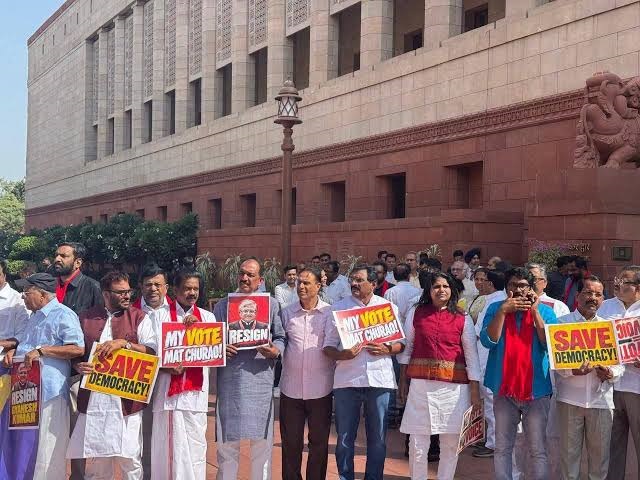
The latest LPG hike is likely to reignite political debate over inflation and the rising cost of living.
Opposition parties have repeatedly accused the government of failing to control household inflation, while the government argues that global energy market disruptions and geopolitical tensions have increased costs worldwide.
The timing is significant because consumers are already dealing with elevated expenses across multiple sectors.
For many families, the question is no longer whether prices are rising—but whether incomes are rising fast enough to keep up.
Why Are LPG Prices Rising?
India imports a significant portion of its energy requirements.
As a result, domestic fuel prices remain sensitive to:
Global Crude Oil Prices
Any increase in international crude prices raises import bills.
Geopolitical Conflicts
Conflicts and tensions in energy-producing regions often disrupt supply chains and increase costs.
Shipping and Logistics Costs
Higher transportation and insurance costs add to import expenses.
Currency Fluctuations
A weaker rupee makes imported energy more expensive.
These factors ultimately influence domestic LPG pricing decisions.
The Silent Erosion of Savings
Perhaps the biggest casualty of persistent inflation is household savings.
Many middle-class families report:
- Reduced monthly savings.
- Delayed home purchases.
- Postponed vacations.
- Higher dependence on credit cards.
- Increased financial stress.
What appears as a ₹29 LPG hike today becomes part of a much larger pattern of rising costs across every aspect of daily life.
The result is a gradual erosion of financial security.
What Citizens Are Demanding
Economists and consumer groups have long suggested measures such as:
Targeted LPG Subsidies
Providing support to vulnerable households.
Inflation Relief Measures
Reducing pressure on essential commodities.
Strengthening Social Safety Nets
Protecting lower-income groups from price shocks.
Monitoring Essential Goods Prices
Ensuring inflation remains manageable for ordinary consumers.
Outlook: More Than Just a Cylinder Price Hike
The ₹29 LPG price increase may seem small on paper, but it symbolizes a larger economic reality confronting millions of Indians.
For households already balancing rising grocery bills, school fees, healthcare costs and housing expenses, every additional burden matters.
As inflation continues to nibble away at disposable income, the pressure on India’s middle class is becoming increasingly visible.
The real concern is not just the price of a gas cylinder—it is the cumulative effect of countless price increases that are making everyday life more expensive.
Unless incomes rise meaningfully or targeted relief measures are introduced, the country’s middle class and economically weaker sections may continue to bear the heaviest burden of the cost-of-living crisis.