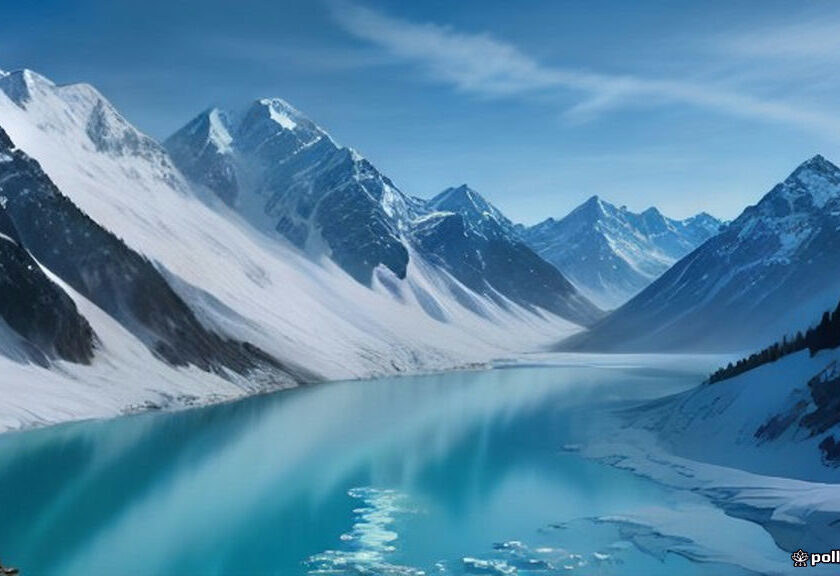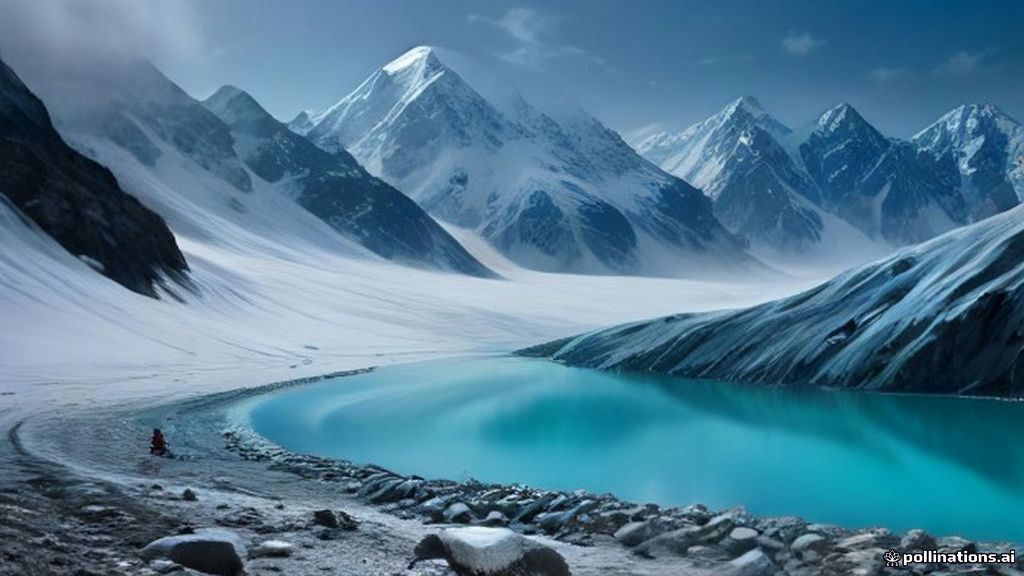
Visuals of hydraulic excavators operating on the fragile banks of Kashmir’s iconic high-altitude glacial waters have ignited an intense political storm over ongoing Sheshnag Lake construction. Situated at an elevation of 3,590 metres along the traditional Pahalgam-Amarnath pilgrimage route, the pristine alpine waterbody is currently at the centre of an environmental controversy pitting infrastructure authorities against regional political parties, religious figures, and conservationists demanding a halt to mechanised civil works.
- Heavy earthmovers operating along the shores of Sheshnag Lake have sparked fierce pushback from regional political parties and civil society.
- Prominent political figures, including Mirwaiz Umar Farooq, have demanded an urgent halt to mechanised excavations in fragile alpine catchment zones.
- The Border Roads Organisation (BRO) has strongly denied committing any environmental violations, stating the ongoing work is strictly focused on route widening and pilgrim safety.
- The controversy unfolds as green governance faces broader scrutiny, with the National Green Tribunal already probing institutional tree cutting in Srinagar.
Ground Realities & Latest Developments
The controversy broke out when mountaineers and local pony operators posted photographs and videos showing heavy earthmoving machinery cutting into glacial moraines adjacent to Sheshnag Lake. The machinery was deployed by the Border Roads Organisation (BRO) to upgrade and widen the historic walking route used by hundreds of thousands of pilgrims during the annual Amarnath Yatra.
Regional political leaders reacted swiftly. Several Kashmir-based political groups voiced serious alarm, warning that operating heavy diesel equipment on high-altitude permafrost and marshy banks threatens the delicate catchment. Mirwaiz Umar Farooq issued a formal appeal seeking an immediate halt to ongoing excavation, insisting that mechanised intervention risks altering glacial streams feeding the Lidder River.
In response, the BRO firmly rejected allegations of environmental wrongdoing. Administrative sources within the agency clarified that operations are strictly bounded by official mandates aimed at clearing natural debris, widening hazardous bottlenecks, and ensuring track stability before seasonal snowfall sets in. Officials maintain that the engineering interventions remain confined to existing track alignments without encroaching on the lake body itself.
“These high-altitude alpine lakes are not urban recreation zones. Running diesel earthmovers on loose moraines compromises slope stability and risks choking primary water sources for the entire valley below.”
Historical Context & Policy Background
The tension surrounding high-altitude infrastructure along the Amarnath Yatra route has been building since ownership and management of the track shifted to the BRO in late 2022. The objective was clear: transform treacherous, narrow footpaths into broader, motorable-ready passages capable of handling sudden emergencies, medical evacuations, and heavy logistics.
While civil administrators point to tragic flash floods like the 2022 Baltal disaster as justification for stronger, wider paths, geologists frequently caution against heavy structural modification in the upper Himalayas. Sheshnag Lake sits in an active glaciated valley characterised by unconsolidated moraines, fragile turf, and sensitive alpine flora. Any sustained disruption of topsoil accelerates erosion, increasing siltation in downstream tributaries.
This confrontation matches growing environmental scrutiny across the Union Territory. Only days before the Sheshnag dispute emerged, the National Green Tribunal (NGT) pulled up the Jammu & Kashmir administration and university officials over large-scale tree felling at the Kashmir University campus, underscoring rising judicial watchfulness regarding administrative shortcuts on green norms.
Voices from the Valley: Community & Expert Perspectives
Local tourism operators, environmental scientists, and civil rights groups express deep anxiety over the pace of civil engineering in sensitive wildlife zones. The upper reaches of Pahalgam host diverse alpine habitats that nurture critical wildlife corridors and provide seasonal grazing for nomadic Gujjar and Bakarwal communities.
“Nobody opposes pilgrim safety or improved pathways,” stated an alpine researcher based in Srinagar. “However, mechanical earthmoving above 11,000 feet must be regulated by rigorous mountain-specific environmental impact assessments. Traditional dry-stone masonry and manual clearance protected these tracks for decades without triggering slope destabilisation.”
Key Metrics: High-Altitude Route Development
- Lake Elevation: 3,590 metres (11,778 feet) above sea level.
- Primary Route: Traditional Pahalgam–Chandanwari–Sheshnag–Panchtarni corridor.
- Executing Agency: Border Roads Organisation (Project Beacon).
- Primary Ecological Risk: Siltation of glacial catchments and destabilisation of moraines.
Data Breakdown & Key Metrics
Infrastructure development across extreme mountain topographies demands delicate technical calibration. A review of ongoing projects reveals the structural scale of works along the eastern Himalayan axis:
| Track Sector | Target Width | Machinery Permitted | Ecological Category |
|---|---|---|---|
| Chandanwari to Sheshnag | 10–14 Feet | Light Hydraulic Diggers | Sub-Alpine Valley |
| Sheshnag to Mahagunus Pass | 8–12 Feet | Contested Excavators | Alpine Glacial Moraine |
| Panjtarni to Cave Shrine | 12–14 Feet | Restricted Machinery | High-Altitude Permafrost |
Strategic Ramifications & The Road Ahead
The mounting dispute over Sheshnag Lake construction highlights an urgent policy challenge confronting Himalayan states: reconciling vital pilgrimage logistics and disaster management with long-term ecological preservation. The Lidder watershed serves as the agricultural and municipal lifeline for Anantnag district and vast reaches of south Kashmir.
With regional assemblies functioning once again and local representatives finding their voice, administrative decisions concerning mountain infrastructure face renewed public accountability. Observers anticipate legislative debates and potential judicial petitions requesting that high-altitude work adhere strictly to vetted green protocols, ensuring mechanised equipment remains barred from delicate lake boundaries.
Frequently Asked Questions (FAQ)
Why are excavators operating near Sheshnag Lake?
The Border Roads Organisation (BRO) deployed heavy equipment to repair, stabilise, and widen the traditional Amarnath Yatra track to prevent bottlenecks and improve safety for pilgrims and disaster personnel.
What ecological concerns have been raised by local leaders?
Critics argue that heavy diesel machinery disrupts fragile alpine permafrost, destroys slope integrity, risks dumping construction debris into Sheshnag Lake, and endangers downstream water systems that feed the Lidder River.
What is the official response from the Border Roads Organisation?
The BRO denies violating environmental norms, stating that its activity is limited to essential path clearing and maintenance within designated corridors, ensuring pilgrim safety while respecting local land contours.
Reported by Newsroom Bureau. Verified against regional dispatches and administrative agency statements from Pahalgam and Srinagar.