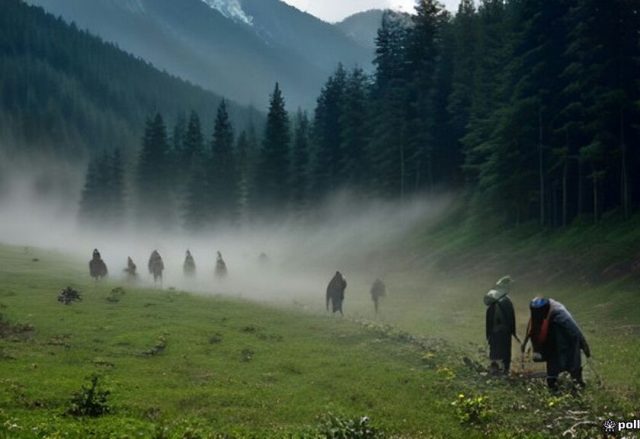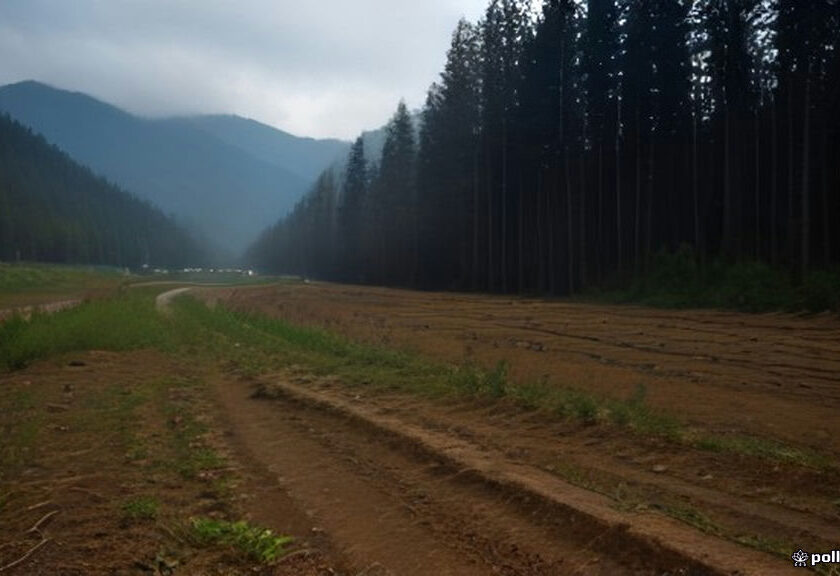
In an urgent judicial intervention that underscores the escalating crisis of municipal solid waste management in ecologically fragile regions, the National Green Tribunal (NGT) has ordered a high-level judicial and administrative probe into the rampant illegal dumping of waste within the world-renowned saffron-growing belt of Pampore in Jammu and Kashmir. The judicial directive comes in the wake of mounting evidence that indiscriminate garbage disposal is slowly poisoning the alkaline, well-drained karewa soils that have sustained the cultivation of Crocus sativus—locally known as ‘Kong’ or saffron—for centuries.
- The National Green Tribunal has ordered a comprehensive probe into municipal waste dumping inside Pampore’s heritage saffron fields.
- Indiscriminate solid waste accumulation threatens the unique karewa soil composition required for authentic Kashmiri saffron cultivation.
- Local farming communities and agricultural experts report severe degradation of subterranean water tables and topsoil quality.
- Administrative agencies face strict judicial scrutiny to clear existing dump sites and implement robust waste segregation protocols.
Historical Context & Background
Pampore, situated on the eastern banks of the Jhelum River just south of Srinagar, is universally recognized as the saffron bowl of India. The geographical indication (GI) tagged Kashmiri saffron is celebrated globally for its deep red stigma, rich aroma, and high crocin content, attributes directly linked to the unique microclimate and elevated silt-clay soils of the local karewas. For generations, farming families have preserved this agrarian heritage against urban encroachment.
However, rapid urbanization, changing consumption patterns, and deficient municipal infrastructure across Pulwama district have transformed traditional agricultural peripheries into convenient dumping grounds for urban refuse. Without a centralized, scientific waste treatment facility, civic authorities have historically resorted to haphazard open-air dumping along agricultural access roads and degraded karewa slopes, setting the stage for the current environmental showdown.
Administrative Decisions & Ground Realities
The latest NGT order mandates the constitution of a joint committee comprising senior representatives from the Jammu and Kashmir Pollution Control Committee (JKPCC), the District Magistrate of Pulwama, and senior agricultural scientists. This panel has been tasked with conducting an immediate physical inspection, quantifying the volume of accumulated garbage, and assessing the leaching of heavy metals and toxins into the saffron beds.
Ground reports from Pampore indicate that municipal tractors and private contractors have routinely bypassed designated transit stations, dumping untreated domestic and commercial waste directly adjacent to irrigation channels. Environmental inspectors warn that monsoon rains wash hazardous leachates—including plastics, heavy metals, and decaying organic matter—straight into the root zones of the saffron corms, risking irreversible soil sterility.
Local Impact & Community Perspectives
Local growers and agricultural cooperatives have expressed profound relief over the tribunal’s intervention, noting that local appeals to civic bodies had fallen on deaf ears for years. Saffron cultivators point out that their livelihood is already besieged by climate variability, erratic rainfall, and spurious market imports. The added burden of localized pollution threatens to wipe out the remaining GI-certified agricultural yields.
‘Saffron requires pristine, untouched soil conditions to produce its distinct medicinal and culinary properties,’ notes Ghulam Mohammad Rather, a veteran saffron cultivator from Pampore. ‘When plastic and chemical waste mixes with our karewas, it destroys the soil microbiome. We are fighting not just for our income, but for the legacy of Kashmiri agriculture.’
Strategic & Socio-Economic Ramifications
The ecological degradation of Pampore carries broader economic implications for Jammu and Kashmir’s agri-tourism and export economy. Authenticity and geographical purity are paramount for Kashmiri saffron command premium international pricing. Any scientific finding confirming soil contamination could trigger severe export restrictions, undermining government initiatives aimed at doubling farmers’ incomes through value addition and GI branding.
Chronological Timeline & Data Breakdown
- Early 2022: Local agricultural unions lodge initial informal complaints regarding rising municipal waste tipping near Pampore karewas.
- Late 2023: Satellite imagery and local journalism highlight expanding unauthorized garbage mounds encroaching on saffron fields.
- Mid-2024: Public interest petitions formally reach the National Green Tribunal, documenting agricultural yield drops and environmental hazards.
- Recent Directive: NGT orders a comprehensive, time-bound multi-agency investigation and remediation plan for the Pampore saffron belt.
The Road Ahead: Future Milestones
As the joint committee commences its ground audit, accountability measures hang in the balance. Administrative departments face strict deadlines to formulate a comprehensive bioremediation strategy, clear existing toxic mounds, and establish geo-fenced boundaries around protected agricultural lands. The success of this intervention will serve as a critical test case for balancing rural heritage preservation with modern municipal governance in ecologically sensitive mountain regions.
Frequently Asked Questions (FAQ)
Why is waste dumping in Pampore particularly dangerous?
Pampore’s saffron relies entirely on the unique composition of karewa soil. Dumping untreated waste introduces toxins, plastics, and heavy metals that leach into the soil, damaging corm health and permanently lowering crop yield and quality.
What specific actions has the National Green Tribunal ordered?
The NGT has directed a joint committee of environmental regulators, district magistrates, and agricultural experts to inspect the site, assess soil and water contamination, and submit an actionable clean-up and prevention report.
How does this impact the Geographical Indication (GI) status of Kashmiri saffron?
While the GI tag protects the geographic name and recognized quality standards, widespread soil pollution threatens the biological purity required to meet these rigorous export and domestic certification standards.