The picturesque landscapes of Jammu and Kashmir, often celebrated as the ‘Paradise on Earth,’ are currently the site of a profound struggle between ecological preservation and administrative inertia. While the region’s tourism brochures highlight pristine peaks and crystal-clear waters, ground realities in areas like Tangmarg and the interiors of Srinagar reveal a more complicated narrative of waste mismanagement and systemic civic hurdles. Recent interventions, however, suggest a shift toward accountability, driven by media scrutiny and a renewed focus on community-level grievance redressal.
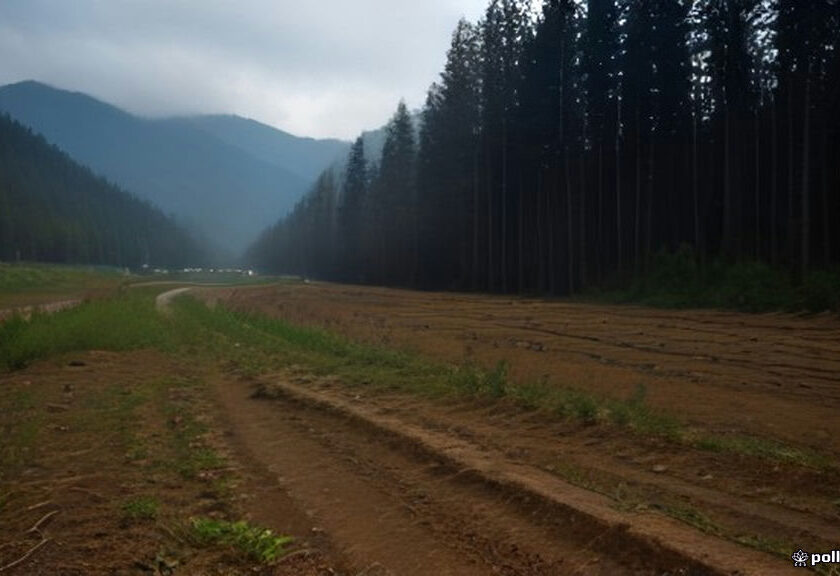
- Environmental Victory: Following investigative reports, the Forest Department cleared a massive illegal garbage dump along the Shajimarg Road in Tangmarg, transitioning the site into a plantation zone.
- Civic Outreach: Senior leader Ali Mohammad Sagar held a ‘public darbar’ at Nawa-e-Subah, addressing a backlog of local grievances ranging from infrastructure to utility services.
- Climate Innovation: New research suggests that the invasive weeds of Dal Lake could be repurposed as a significant climate solution, potentially serving as carbon sinks or organic fertilizers.
- Global Recognition: NIT Srinagar has been selected to host the 11th International Conference on Nano-structured Materials and Devices (NBL) in 2027, signaling a boost for the region’s academic prestige.
Historical Context & Administrative Decisions
For decades, waste management in Jammu and Kashmir has followed a pattern of ‘reactive governance.’ Urban centers often exported their refuse to rural fringes, leading to the degradation of forest buffers and water bodies. The recent crisis at Shajimarg Road in Tangmarg serves as a microcosm of this larger issue. For months, the stretch was allegedly utilized as an unofficial dumping ground, threatening the local ecosystem and the health of nearby residents.
The turning point came this week when the Forest Department, spurred by local reporting and mounting public pressure, initiated a comprehensive cleanup operation. This was not merely a removal exercise; the department launched a plantation drive on the reclaimed land to prevent future encroachment and dumping. This move highlights a growing recognition within the administration that clearing waste is insufficient without active ecological restoration.
Ground Realities: The ‘Clean on Paper’ Paradox
Despite various government schemes and ‘Swachh Bharat’ initiatives, an investigative lens reveals a stark paradox. On paper, municipalities and forest divisions report high efficiency in waste collection and disposal. On the ground, however, the lack of scientific processing plants leads to ‘cascading crises.’ When one site is closed, another—often in a sensitive forest or near a water body—emerges to take its place.
The Shajimarg incident is a victory for local activism, but it also underscores the fragility of the system. Residents expressed that while the immediate cleanup is welcome, the long-term solution requires a decentralized waste management strategy that does not rely on forest land as a pressure valve for urban refuse.
Local Impact & Community Perspectives
The pulse of the public was palpable at the Nawa-e-Subah complex in Srinagar, where Ali Mohammad Sagar hosted a public darbar. Such forums have become essential safety valves for a population navigating administrative transitions. During the session, citizens from various districts brought forward issues concerning erratic power supply, dilapidated road networks, and the slow pace of developmental projects.
Sagar’s assurance of early redressal reflects a political necessity to bridge the gap between the secretariat and the street. For the average citizen, these darbars are often the only direct line to decision-makers in a landscape where bureaucratic layers can feel impenetrable.
Strategic & Socio-Economic Ramifications
While local governance focuses on immediate grievances, the region is also looking toward long-term strategic and cultural growth. The release of a new book on the Sufi poet Ahad Zargar in Srinagar serves as a reminder of the region’s intellectual and spiritual heritage. Preserving the legacy of Sufi poets is seen by many as a vital component of Kashmir’s social fabric, offering a narrative of peace and introspection amidst modern challenges.
On the scientific front, the news that Dal Lake’s weeds could become a climate solution offers a glimmer of hope for the iconic water body. Traditionally viewed as a nuisance that chokes the lake and hinders navigation, these weeds are now being studied for their potential in carbon sequestration and as raw material for bio-char. Transforming an environmental liability into an asset could revolutionize the lake’s conservation strategy.
Chronological Timeline of Recent Developments
| Date/Period | Event/Action | Impact/Outcome |
|---|---|---|
| Mid-May 2024 | Shajimarg Dumping Reports | Public outcry over forest pollution in Tangmarg. |
| Recent Week | Forest Dept Cleanup Drive | Site cleared; plantation drive launched to restore land. |
| Ongoing | Nawa-e-Subah Darbar | Direct redressal of public grievances by senior leadership. |
| Sept 2027 (Planned) | 11th Int’l NBL Conference | NIT Srinagar to host global experts in nanotechnology. |
The Road Ahead: Future Milestones
The path forward for the region involves a dual approach: immediate administrative responsiveness and long-term scientific planning. The success of the Shajimarg cleanup must be replicated across other vulnerable forest zones. Simultaneously, the integration of academic institutions like NIT Srinagar into the global research community provides a platform for local problems—like Dal Lake’s eutrophication—to be solved with international expertise.
Moreover, the upcoming International Conference on Nano-structured Materials and Devices in 2027 marks a significant milestone. It places Srinagar on the map for high-tech research, potentially attracting investment and fostering a culture of innovation that could address local environmental issues through advanced technology.
Frequently Asked Questions (FAQ)
What was the issue with the Shajimarg Road in Tangmarg?
The Shajimarg Road area had been turned into an illegal garbage dumping site, causing significant environmental concerns and health risks. Following media reports, the Forest Department cleared the waste and began a plantation drive to restore the area.
How can Dal Lake weeds help with climate change?
Research indicates that the excessive weed growth in Dal Lake can be harvested and processed into bio-char or organic compost. This process helps in carbon sequestration and reduces the methane emissions that would otherwise occur if the weeds decomposed in the water.
What is the purpose of the public darbar at Nawa-e-Subah?
The public darbar is a traditional forum where citizens can meet political leaders directly to voice their grievances regarding public services, infrastructure, and administrative delays, ensuring a faster redressal process.
Why is the NIT Srinagar conference in 2027 significant?
Hosting the 11th International Conference on Nano-structured Materials and Devices (NBL) elevates NIT Srinagar’s global academic standing and provides local researchers with access to international breakthroughs in nanotechnology and material science.