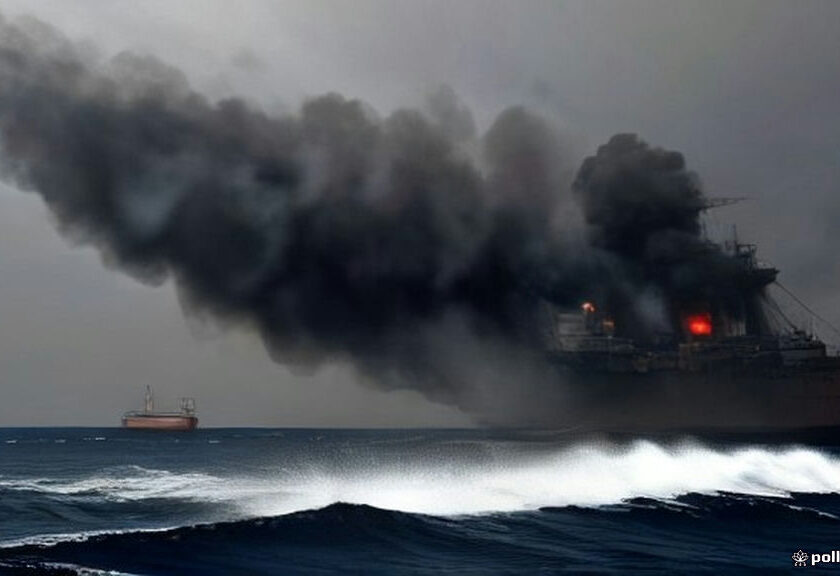
A sweeping wave of diplomatic alignment and security realignments is currently reshaping the Middle East. From international punitive measures targeting illegal settlements to a unified regional front against escalating Houthi and Iranian aggression, global and regional powers are drawing distinct lines. As multilateral institutions and coalition partners reassess their positions, the geopolitical architecture of the region faces unprecedented tests, balancing immediate security threats with long-term diplomatic aspirations.
- Pakistan and 14 other nations formally welcomed recent UK and Australian sanctions targeting Israeli settlements.
- Regional allies have united in strong solidarity behind Saudi Arabia amid intensified Houthi attacks.
- Gulf nations have issued joint condemnations against hostile Iranian actions targeting Bahrain and Kuwait.
- Recent international safety surveys rank Saudi Arabia and other Gulf states among the world’s most secure nations despite regional conflicts.
- Diplomatic channels remain active as global powers urge de-escalation and adherence to international law.
Historical Context & Background
The contemporary geopolitical landscape of the Middle East is heavily influenced by decades of unresolved territorial disputes, proxy conflicts, and shifting foreign policies. The status of Israeli settlements in the West Bank has long been a central friction point in international law, with successive United Nations resolutions condemning their expansion. Concurrently, the security architecture of the Gulf Cooperation Council (GCC) has been repeatedly tested by cross-border hostilities, notably from Houthi movements in Yemen and broader regional tensions involving Iran.
Over the past decade, traditional alliances have evolved. Nations outside the immediate region, including Pakistan, the United Kingdom, and Australia, have increasingly taken principled stances on international legality, while Gulf states have focused on bolstering domestic security and forging robust collective defense mechanisms to shield their populations and economies from external shocks.
Administrative Decisions & Ground Realities
Recent weeks have witnessed significant administrative and punitive measures enacted by Western capitals, which have subsequently reverberated across international forums. The decision by the United Kingdom and Australia to impose targeted sanctions on individuals and entities linked to illegal Israeli settlements marked a pivotal shift in Western enforcement of international norms. These measures drew swift diplomatic backing from a broad coalition.
In a joint diplomatic statement, Pakistan alongside 14 other nations praised the UK and Australian initiatives, framing them as essential steps toward upholding the rules-based international order. Meanwhile, on the ground in the Gulf, security forces remain on high alert. Administrative measures across Saudi Arabia, Bahrain, and Kuwait have been stepped up to counter maritime and aerial threats, ensuring critical infrastructure remains protected against asymmetric attacks.
Local Impact & Community Perspectives
Despite the persistent geopolitical friction and high-profile security incidents, everyday life in key regional hubs continues to demonstrate remarkable resilience. Recent global security and risk assessment surveys underscore a counter-intuitive reality: Saudi Arabia and several other Gulf states continue to rank among the safest places globally, even against the backdrop of regional volatility and indirect conflict involving Iran.
Local business communities, expatriate workers, and citizens express a sense of security fostered by proactive state surveillance, effective air defense systems, and strict law enforcement. However, neighboring populations in nations directly affected by hostile actions, such as Bahrain and Kuwait, face persistent psychological pressures, prompting local governments to reinforce public reassurance campaigns and cybersecurity measures.
Strategic & Socio-Economic Ramifications
The economic stakes of these geopolitical developments are immense. Foreign direct investment across the Gulf depends heavily on perceived stability and physical security. The united front presented by regional allies supporting Saudi Arabia reassures global markets that strategic trade routes—such as the Red Sea corridors—remain defended against disruptions.
At the same time, the broader international consensus building around sanctions on settlements signals to global investors that regulatory compliance and adherence to international humanitarian law are becoming increasingly intertwined with state-level economic policies.
Chronological Timeline & Data Breakdown
- Early Phase: Escalation of maritime and border security threats involving Houthi factions and regional proxies.
- Mid-Period: The United Kingdom and Australia announce targeted sanctions against extremist settlers and entities supporting illegal expansion.
- Recent Milestone: Pakistan and 14 international partners formally welcome the Western sanctions framework.
- Current Status: Gulf states issue collective denunciations of hostile actions against Bahrain and Kuwait, reinforced by safety survey findings.
The Road Ahead: Future Milestones
As the international community navigates these complex diplomatic corridors, the primary focus will remain on deterrence and dialogue. Key milestones ahead include upcoming multilateral security summits in Riyadh and Geneva, where leaders will attempt to formalize cooperative frameworks to curb illicit arms flows and de-escalate maritime tensions. Success will depend heavily on whether external actors can enforce compliance with international law while empowering local nations to secure their sovereign borders.
Frequently Asked Questions (FAQ)
Why did Pakistan and other nations welcome the UK and Australia sanctions?
Pakistan and 14 other nations viewed the sanctions on Israeli settlements as a vital assertion of international law, human rights, and accountability regarding territorial disputes in the West Bank.
How are Gulf states responding to recent security threats?
Gulf nations have strengthened regional military cooperation, issued joint condemnations against hostile actions targeting Bahrain and Kuwait, and maintained high levels of defensive readiness.
Are Gulf countries considered safe for residents and travelers despite regional wars?
Yes. Recent international safety surveys rank Saudi Arabia and several other Gulf states among the safest countries in the world, largely due to stringent law enforcement and advanced security infrastructure.