Kashmir Tourism Boom 2026: Dal Lake Crowds, Gurez Valley Rush & The Big Challenge of Sustainable Travel
By: Javid Amin | 20 May 2026
From Srinagar’s Dal Lake to Gurez Valley, Kashmir Witnesses Massive Tourist Influx as Paradise Reclaims Its Spotlight
Tourism in Kashmir is witnessing a dramatic resurgence, with thousands of visitors pouring into Srinagar, Gulmarg, Pahalgam, and the remote valleys of North Kashmir. From the iconic waters of Dal Lake to the untouched landscapes of Gurez Valley, the Union Territory is experiencing one of its strongest tourism waves in recent years.
Hotels, houseboats, shikara operators, transport services, cafés, and local markets are bustling with activity as travelers from across India flock to the Valley in search of cool weather, mountain landscapes, and authentic cultural experiences.
The renewed tourism rush reflects not only Kashmir’s timeless appeal but also changing travel patterns after years of restrictions, pandemic slowdowns, and renewed interest generated through social media travel content.
Yet amid the optimism lies a growing debate: can Kashmir sustain this tourism boom without damaging its fragile environment, local culture, and already strained infrastructure?
Also Read | Kashmir Vs Ladakh 2026: Which Himalayan Destination Should You Choose?
Dal Lake Becomes the Heart of Kashmir’s Tourism Revival
Dal Lake Draws Massive Tourist Footfall
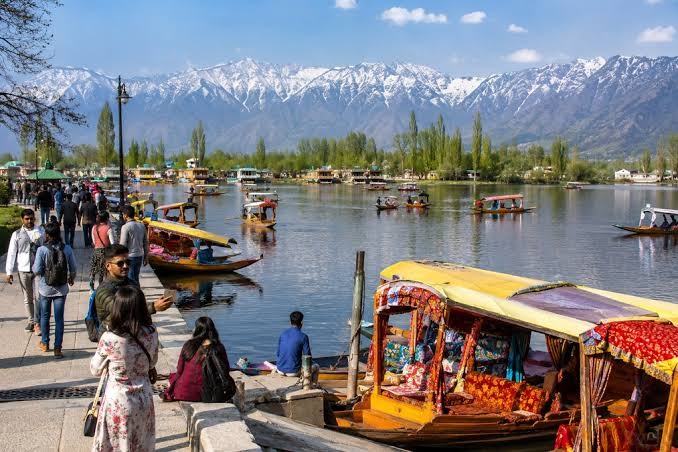
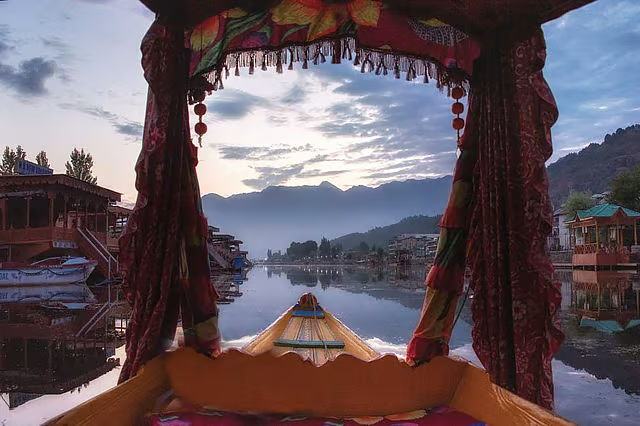
Srinagar’s world-famous Dal Lake has once again become the centerpiece of Kashmir tourism, with heavy crowds visiting houseboats, floating gardens, and traditional shikara rides.
Tourists can be seen filling the Boulevard Road area from morning till late evening, while houseboat occupancy rates have risen sharply during weekends and holiday periods.
Local businesses say the current tourist flow is among the strongest seen in recent years, benefiting thousands of families connected to tourism directly or indirectly.
The revival has brought life back to handicraft shops, dry fruit traders, cafés, restaurants, photographers, pony operators, and transport workers who depend heavily on seasonal tourism.
Srinagar’s Mughal Gardens and Old City Witness Heavy Rush
Apart from Dal Lake, Srinagar’s historic attractions are witnessing unprecedented visitor numbers.
Shalimar Bagh and Mughal Heritage Circuits
The Mughal gardens, including Nishat Bagh and Shalimar Bagh, are witnessing packed walkways as families and tourists seek Kashmir’s spring and summer bloom.
The centuries-old gardens, designed during the Mughal era, continue to remain among the Valley’s strongest tourism symbols.
Hazratbal Shrine Sees Increased Visitors
Religious tourism is also rising, with large numbers of visitors heading to the Hazratbal Shrine situated on the banks of Dal Lake.
The shrine remains one of Kashmir’s most spiritually significant landmarks and continues to attract devotees alongside leisure travelers.
Also Read | Jammu, Kashmir & Ladakh Travel Guide 2026: The Most Complete Trip Planner You’ll Ever Need
Gurez Valley Emerges as Kashmir’s Fastest-Growing Tourism Destination
One of the biggest tourism stories this year has been the reopening and renewed popularity of Gurez Valley in North Kashmir.
After facing restrictions and limited tourist movement last year, the valley is now witnessing a massive influx of travelers eager to explore one of Kashmir’s most untouched landscapes.
Located near the Line of Control, Gurez has long remained isolated from mainstream tourism despite its breathtaking scenery.
Now, social media exposure and improved connectivity are rapidly transforming it into a major adventure tourism hotspot.
Why Tourists Are Flocking to Gurez Valley
Spectacular Natural Beauty
The valley is famous for its pristine rivers, alpine meadows, wooden villages, and the iconic Habba Khatoon peak that dominates the landscape.
Unlike more commercial tourist hubs, Gurez offers travelers a quieter and more raw Himalayan experience.
Adventure Tourism Gains Momentum
Trekking, camping, mountain photography, fishing, and river-based activities are gaining popularity among young travelers and adventure enthusiasts.
Tour operators are increasingly designing offbeat Kashmir itineraries that include Gurez alongside Tulail, Dawar, and other lesser-known mountain regions.
Social Media’s Powerful Influence
Travel reels, drone videos, and viral photography from Gurez have significantly boosted curiosity among domestic tourists.
Tourism experts say platforms like Instagram and YouTube are playing a major role in reshaping Kashmir’s tourism economy by promoting hidden destinations previously unknown to mainstream travelers.
Hidden Gems Beyond Srinagar and Gulmarg
As authorities attempt to reduce pressure on overcrowded tourist hubs, attention is shifting toward lesser-explored destinations.
Yusmarg
Known for rolling meadows and dense pine forests, Yusmarg is emerging as a peaceful retreat for trekkers and nature lovers.
Bangus Valley
Bangus Valley remains one of Kashmir’s most pristine and ecologically rich landscapes, offering wildlife, untouched grasslands, and minimal commercialization.
Lolab Valley
Often referred to as the “Land of Love and Beauty,” Lolab Valley is known for orchards, streams, and scenic rural landscapes.
Doodhpathri
Crystal-clear streams and green meadows are helping Doodhpathri become one of the Valley’s fastest-growing picnic and camping destinations.
Aharbal Waterfall
Popularly called the “Niagara of Kashmir,” Aharbal Waterfall is attracting photographers, campers, and road-trip travelers.
Also Read | Shri Amarnath Yatra 2026: Definitive Guide — History, Routes, Costs, FAQs
What Is Driving Kashmir’s Tourism Boom?
Post-Pandemic Travel Demand
Many travelers postponed vacations for years due to pandemic restrictions and uncertainty. Kashmir is now benefiting from strong pent-up demand for nature-based tourism.
Improved Connectivity
Better road access, increased flight frequency, and tourism campaigns have improved visitor confidence.
Infrastructure upgrades in remote areas are also making destinations like Gurez more accessible.
Rise of Domestic Tourism
A growing number of Indian travelers are prioritizing domestic destinations over expensive international trips, boosting Kashmir’s tourism sector.
The Hidden Cost of Overcrowding
Despite the economic optimism, experts warn that unmanaged tourism could create long-term ecological damage.
Traffic Congestion and Urban Stress
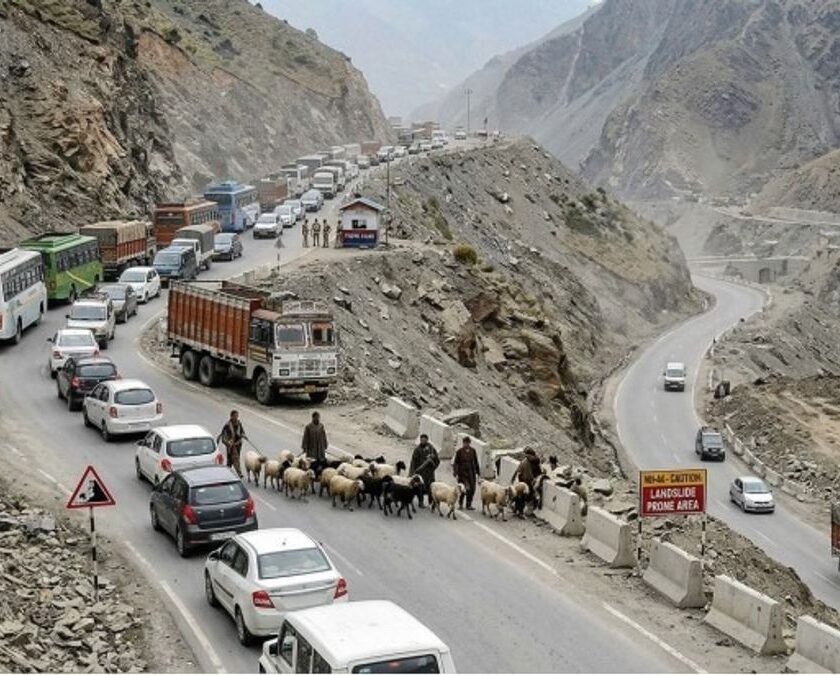
Srinagar is witnessing increasing traffic jams, parking shortages, and pressure on civic infrastructure during peak tourist periods.
Popular tourist zones often struggle to handle the sudden influx of vehicles and visitors.
Pollution and Waste Management Challenges
Plastic waste, lake pollution, and poor disposal systems are becoming serious concerns, especially around Dal Lake and other eco-sensitive areas.
Environmentalists warn that unchecked tourism could threaten fragile ecosystems that form the backbone of Kashmir’s tourism appeal.
Fragile Ecosystems Under Pressure
Destinations like Gurez, Bangus, and Doodhpathri are environmentally delicate regions with limited carrying capacity.
Without visitor regulation and proper planning, rapid tourism expansion could lead to deforestation, waste accumulation, water contamination, and habitat disruption.
Also Read | Beautiful Tourist Places to Explore in Jammu, Kashmir & Ladakh Complete Travel Guide 2026
What Kashmir Can Learn from Global Sustainable Tourism Models
Tourism experts increasingly argue that Kashmir should adopt smart tourism models rather than focusing only on rapid expansion.
| Global Model | Country | Key Strategy | Relevance for Kashmir |
|---|---|---|---|
| Bhutan’s “High Value, Low Impact” | Bhutan | Limited tourist numbers with premium tourism | Useful for fragile destinations like Gurez |
| Costa Rica Eco-Tourism | Costa Rica | Community-run eco-lodges and biodiversity protection | Ideal for rural tourism in Kashmir |
| Iceland Visitor Management | Iceland | Visitor caps and digital monitoring | Relevant for Dal Lake and Mughal gardens |
| Tiaki Promise | New Zealand | Tourist responsibility pledge | Could inspire a Kashmir eco-tourism pledge |
Kashmir’s Sustainable Tourism Roadmap
Eco-Friendly Infrastructure
Experts suggest promoting solar-powered lodges, electric shikaras, green-certified hotels, and sustainable transport systems.
Community-Based Tourism
Homestays, local guiding services, and village tourism can ensure tourism income directly benefits local residents.
Community-driven tourism models may also reduce economic inequality in rural areas.
Visitor Caps in Fragile Zones
Authorities may eventually need to regulate daily tourist numbers in ecologically sensitive destinations like Gurez Valley, Bangus Valley, and Doodhpathri.
Responsible Tourist Campaigns
A Kashmir-specific tourist pledge encouraging visitors to respect local culture, reduce waste, and protect natural resources could help improve sustainability awareness.
The Future of Kashmir Tourism Depends on Balance
Kashmir today stands at a critical turning point.
The tourism boom is generating jobs, reviving businesses, and reconnecting the Valley with travelers from across India and beyond. But without sustainable planning, the very beauty attracting tourists could face irreversible damage.
The challenge before policymakers is clear: build a tourism model that prioritizes ecology, community participation, cultural preservation, and long-term sustainability rather than short-term commercial gains.
If managed wisely, Kashmir can emerge not just as a popular tourist destination, but as one of the world’s leading examples of responsible mountain tourism.