Flood Threat Looms in Kashmir: High-Risk Glacial Lakes Raise Alarm Across Fragile Himalayas
By: Javid Amin | 01 April 2026
A Silent Threat Rising in the Himalayas
A growing environmental concern is casting a shadow over the Kashmir Valley as scientific studies flag five glacial lakes in the Kashmir Himalayas as “very high risk” for potential outburst floods. The findings have triggered alarm among policymakers, environmental experts, and local communities, highlighting the urgent need for monitoring and disaster preparedness.
Former Jammu & Kashmir Chief Minister Omar Abdullah has publicly acknowledged the threat, warning that these lakes pose a serious danger if immediate preventive measures are not taken.
What Are Glacial Lake Outburst Floods (GLOFs)?
At the heart of this concern lies a dangerous phenomenon known as:
Glacial Lake Outburst Flood (GLOF)
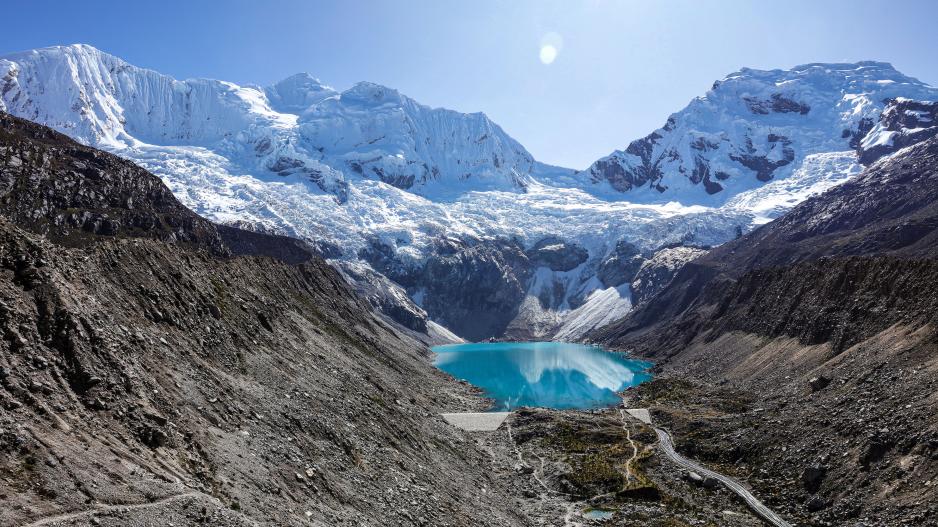
Glacial Lake Outburst Flood occurs when water accumulated in glacial lakes suddenly breaches natural dams—often made of ice or loose debris—releasing massive volumes of water downstream within minutes or hours.
Why GLOFs Are So Dangerous
- Sudden and unpredictable
- Extremely high water velocity
- Carry debris, rocks, and ice
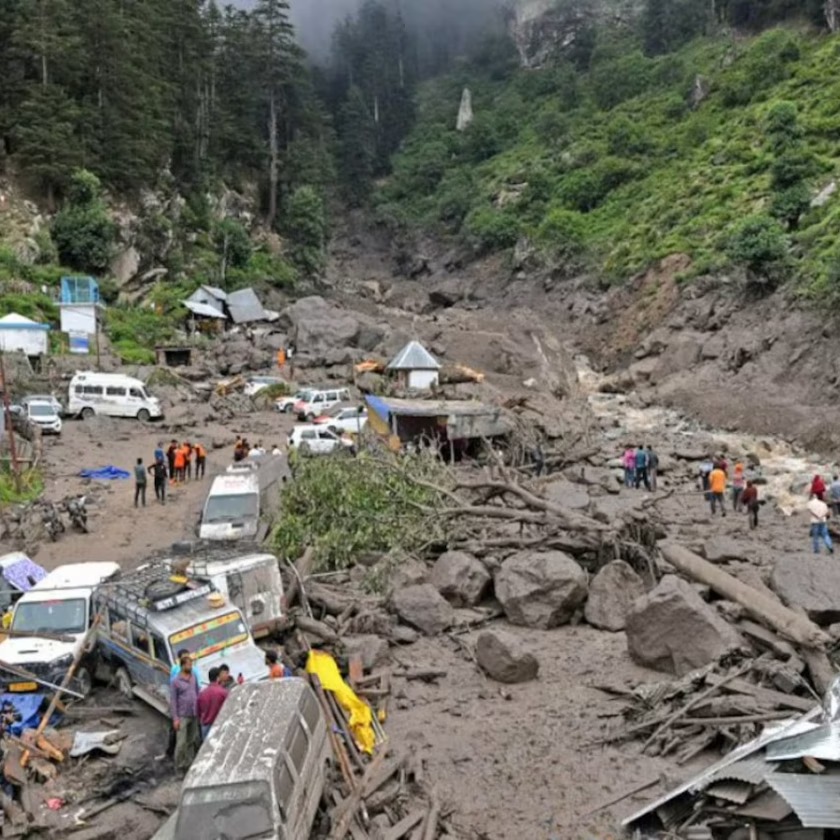
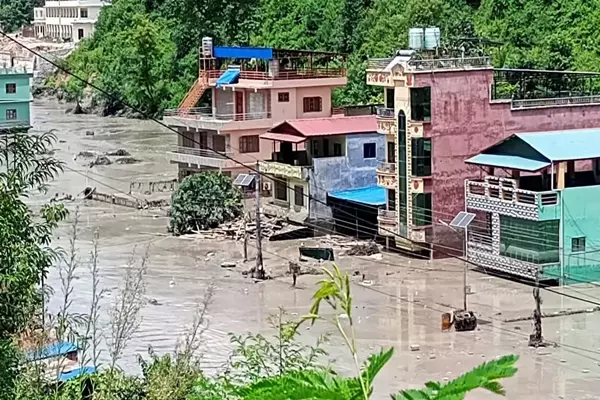
- Can destroy entire settlements in minutes
In mountainous regions like Kashmir, where settlements often lie along riverbanks, the consequences can be catastrophic.
Scientific Findings: Kashmir’s Lakes Under Stress
Recent scientific assessments of the Kashmir Himalayas have identified five glacial lakes as “very high risk”.
Key Risk Factors Identified:
- Rapid glacial melt due to rising temperatures
- Expansion of glacial lakes beyond safe limits
- Weak moraine dams prone to collapse
- Seismic vulnerability of the region
- Heavy rainfall events increasing water pressure
These factors combine to create a highly unstable system where even a minor trigger—like a landslide or icefall—can lead to a major flood event.
“J&K on Shaky Ground”: A Region at Maximum Risk
Experts now classify Jammu & Kashmir as being in a “maximum risk” category due to its fragile geological and climatic conditions.
Why Kashmir Is Highly Vulnerable
- Young Fold Mountains: The Himalayas are geologically young and unstable
- Seismic Activity: The region falls in a high earthquake-risk zone
- Climate Change Acceleration: Faster warming compared to global averages
- Glacial Retreat: Shrinking glaciers feeding unstable lakes
This combination creates a “perfect storm” scenario where natural hazards can amplify each other.
Leadership Response: Urgent Monitoring Needed
Acknowledging the seriousness of the findings, Omar Abdullah emphasized that the identified lakes require continuous surveillance and early warning systems.
Key Concerns Raised:
- Lack of real-time monitoring infrastructure
- Need for scientific mapping and risk zoning
- Urgency in disaster preparedness planning
His statement underscores a growing consensus: the threat is real, and time to act is limited.
What’s at Stake: Lives, Livelihoods, and Infrastructure
Potential Impact of a GLOF Event
If one of these high-risk lakes breaches, downstream areas could face:
Human Impact
- Loss of lives
- Displacement of communities
- Health crises due to contaminated water
Infrastructure Damage
- Roads, bridges, and hydropower projects destroyed
- Communication networks disrupted
- Urban flooding in downstream towns
Agricultural Losses
- Cropland inundation
- Soil erosion
- Long-term impact on food security
Kashmir’s economy, heavily reliant on agriculture and tourism, could face severe setbacks.
Climate Change: The Root Cause Amplifier
The increasing threat of GLOFs is directly linked to broader changes in global climate systems.
What’s Changing?
- Rising average temperatures accelerating glacier melt
- Erratic precipitation patterns
- Increased frequency of extreme weather events
In the Himalayas, often referred to as the “Third Pole,” warming is occurring faster than the global average—making regions like Kashmir particularly vulnerable.
The Need for Scientific Vigilance and Technology
To mitigate risks, experts recommend a multi-layered approach:
Monitoring Systems
- Satellite surveillance of glacial lakes
- Installation of early warning systems
- Real-time data collection
Risk Mapping
- Identifying vulnerable downstream zones
- Creating evacuation plans
Engineering Interventions
- Controlled drainage of high-risk lakes
- Strengthening natural barriers
Preparedness: The Only Defense Against Disaster
Immediate Measures Needed
- Community awareness programs
- Disaster response training
- Coordination between agencies
For Local Communities
- Awareness of evacuation routes
- Emergency kits readiness
- Following official advisories
Preparedness can significantly reduce the impact—even if prevention is not always possible.
A Wake-Up Call for Policy and Planning
This warning is not just about five lakes—it’s about a broader environmental reality.
What Needs to Change
- Integrating climate risk into development planning
- Regulating construction in vulnerable zones
- Investing in resilient infrastructure
Kashmir’s future depends on how quickly policy adapts to scientific evidence.
Conclusion: Between Warning and Action
The identification of five high-risk glacial lakes in Kashmir is a stark reminder that environmental threats are no longer distant possibilities—they are immediate realities.
As Omar Abdullah and scientific studies highlight the urgency, the focus must now shift from acknowledgment to action.
Kashmir stands at a critical juncture:
- Act now, invest in resilience, and protect communities
- Or delay, and risk facing devastating consequences
The choice will define the region’s environmental and human future.